내 아이디어도 특허받을 수 있을까? 출원 전 확인해야 할 5가지 핵심 조건
새로운 제품이나 기술을 개발한 뒤 가장 먼저 떠오르는 질문은 “이 아이디어도 특허를 받을 수 있을까?”입니다. 기존 제품의 불편한 점을 개선했거나 새로운 작동방식을 생각해 냈다면 특허출원을 검토할 수 있습니다.
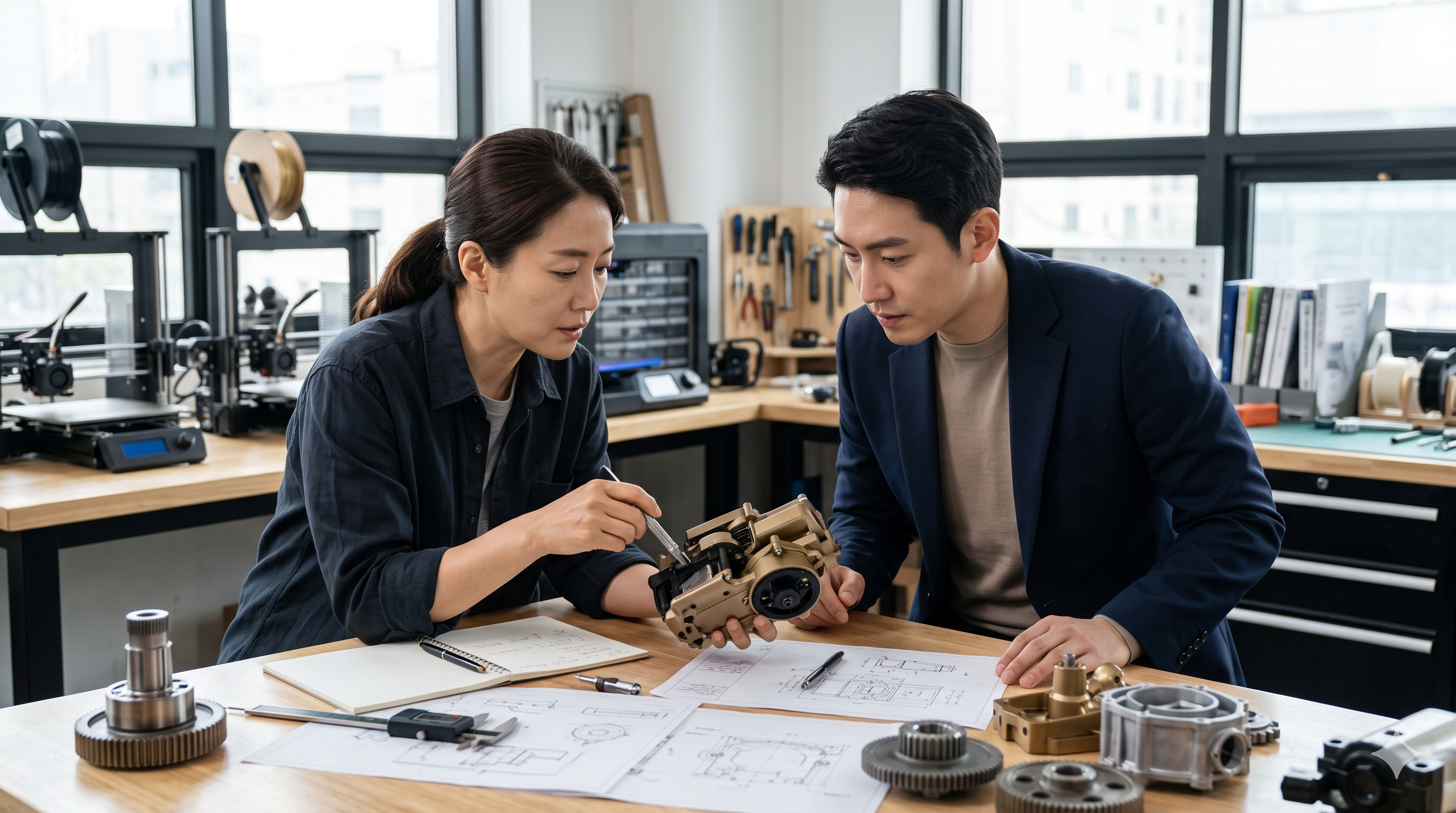
새로운 제품이나 기술을 개발한 뒤 가장 먼저 떠오르는 질문은 “이 아이디어도 특허를 받을 수 있을까?”입니다. 기존 제품의 불편한 점을 개선했거나 새로운 작동방식을 생각해 냈다면 특허출원을 검토할 수 있습니다.
그러나 새로운 아이디어라고 해서 모두 특허등록이 가능한 것은 아닙니다. 특허법상 발명에 해당해야 하고, 신규성·진보성·산업상 이용가능성 등 법정 요건을 충족해야 합니다. 또한 발명을 명세서에 충분히 설명하고 적절한 청구항으로 작성해야 합니다.
특히 출원 전에 아이디어를 공개하거나 선행기술을 제대로 확인하지 않으면 특허등록 가능성에 영향을 줄 수 있습니다. 이번 글에서는 특허출원을 준비하는 개인발명가, 학생, 창업자 및 기업 연구개발 담당자가 확인해야 할 다섯 가지 핵심 조건을 설명합니다.
1. 내 아이디어가 특허법상 ‘발명’에 해당할까요?
특허법 제2조 제1호는 발명을 자연법칙을 이용한 기술적 사상의 창작으로서 고도한 것으로 정의합니다.
따라서 어떤 생각이 새롭고 사업적으로 유용하다는 사실만으로 특허법상 발명이 되는 것은 아닙니다. 그 생각이 구체적인 기술적 수단과 결합되어 문제를 해결하는지 살펴봐야 합니다.
예를 들어 기존 장치의 내부 구조를 변경하여 에너지 손실을 줄이거나, 센서와 제어장치를 특정한 방식으로 연동하여 측정 정확도를 높이는 기술은 특허출원 대상으로 검토할 수 있습니다.
반면 단순한 영업 아이디어, 추상적인 수학적 규칙, 사람 사이의 약속이나 정신적 판단만으로 이루어진 방법은 특허법상 발명에 해당하지 않을 수 있습니다.
소프트웨어와 AI 기술도 특허를 받을 수 있을까요?
가능한 경우가 있습니다.
다만 소프트웨어나 AI를 사용한다는 이유만으로 자동으로 특허성이 인정되는 것은 아닙니다. 정보처리가 하드웨어와 협력하여 구체적인 기술적 수단으로 실현되는지, 기술적 문제를 어떻게 해결하는지 등을 검토해야 합니다.
예를 들어 AI 모델을 활용하여 산업용 장비의 이상 상태를 탐지하는 기술이라면 입력 데이터, 처리방법, 모델의 기술적 구성, 장비와의 연동 및 출력결과를 구체적으로 설명할 필요가 있습니다.
단순히 “AI로 문제를 해결한다”는 설명만으로는 발명의 기술적 구성을 충분히 특정하기 어렵습니다.
핵심 판단: 특허출원 가능성을 검토할 때는 아이디어의 사업성뿐 아니라 구체적인 기술구성과 작동원리가 존재하는지를 먼저 확인해야 합니다.
2. 신규성 — 이미 알려진 기술과 같은가요?
특허등록을 위한 중요한 요건 중 하나는 신규성입니다.
특허법 제29조 제1항에 따르면 출원 전에 국내외에서 공지되거나 공연히 실시된 발명, 간행물에 게재되거나 인터넷 등을 통해 공중이 이용할 수 있게 된 발명은 원칙적으로 신규성이 인정되지 않습니다.
중요한 점은 다른 사람이 특허등록을 받았는지 여부만으로 신규성을 판단하지 않는다는 것입니다.
이미 공개된 논문, 제품 설명서, 인터넷 게시물, 전시회 자료, 기술보고서 등도 선행기술이 될 수 있습니다.
예를 들어 새로운 물건을 개발했는데 동일한 구조와 작동방식이 과거의 공개된 기술문헌에 기재되어 있다면, 해당 문헌에 특허권이 존재하지 않더라도 신규성 문제가 발생할 수 있습니다.
기존 기술의 일부만 바꾸었다면 신규성이 있을까요?
기존 제품에 없던 구성이 추가되거나 구조가 달라졌다면 신규성은 인정될 여지가 있습니다.
그러나 신규성이 있다는 이유만으로 특허등록이 확정되는 것은 아닙니다. 다음 단계인 진보성 판단에서 기존 기술로부터 쉽게 도출할 수 있는 변경인지 검토하기 때문입니다.
따라서 선행기술조사에서는 동일한 발명이 존재하는지뿐 아니라 가장 유사한 기술과 어떤 차이가 있는지를 확인해야 합니다.
3. 진보성 — 기존 기술보다 얼마나 발전했나요?
특허심사에서 중요한 쟁점 중 하나가 진보성입니다.
특허법 제29조 제2항은 해당 기술분야에서 통상의 지식을 가진 사람이 출원 전 공개된 기술로부터 쉽게 발명할 수 있는 경우 특허등록을 제한합니다.
여기서 중요한 것은 발명이 얼마나 복잡한지 또는 개발에 얼마나 많은 시간과 비용이 들었는지가 아닙니다.
기존 기술을 기초로 보았을 때 해당 발명의 구성을 쉽게 생각해 낼 수 있었는지가 핵심입니다.
작은 개선도 특허를 받을 수 있을까요?
그럴 수 있습니다.
예를 들어 기존 기계의 부품 배치를 변경하여 진동을 현저하게 줄이거나, 특정 결합구조를 통해 조립시간을 단축하는 기술은 개선 정도와 기술적 효과에 따라 특허등록 대상으로 검토할 수 있습니다.
반대로 단순히 알려진 부품을 일반적인 방식으로 결합하거나, 통상의 기술자가 쉽게 선택할 수 있는 재료로 바꾸는 정도라면 진보성이 부정될 수 있습니다.
진보성 판단에서는 선행기술과의 차이점, 결합의 용이성, 기술적 효과, 해당 분야의 기술수준 등을 종합적으로 검토합니다.
실무 포인트: 기존 제품과 무엇이 다른지뿐 아니라 그 차이로 어떤 기술적 문제가 해결되고 어떤 효과가 발생하는지를 구체적으로 정리하는 것이 중요합니다.
특허심사에서 신규성과 진보성은 별개의 요건입니다. 신규성이 인정되더라도 진보성이 부족하면 등록이 거절될 수 있습니다.
4. 산업상 이용가능성 — 실제로 구현하고 반복적으로 이용할 수 있나요?
특허법 제29조는 산업상 이용할 수 있는 발명을 특허대상으로 규정하고 있습니다.
여기서 산업은 제조업에만 한정되지 않습니다. 기술의 성질에 따라 농업, 운송, 의료 관련 기술, 정보처리 등 다양한 산업분야가 검토 대상이 될 수 있습니다.
다만 발명이 기술적으로 실시 가능해야 하고, 단순한 추상적 구상이나 기술적으로 구현할 수 없는 주장에 그쳐서는 안 됩니다.
시제품이 없어도 특허출원이 가능할까요?
일반적으로 특허출원에 반드시 완성된 시제품을 제출해야 하는 것은 아닙니다.
발명의 기술적 구성이 충분히 구체화되어 있고, 해당 기술분야의 통상의 기술자가 명세서의 설명을 통해 발명을 실시할 수 있다면 시제품이 없는 상태에서도 출원을 검토할 수 있습니다.
그러나 발명자가 작동원리를 설명할 수 없거나 핵심 기술수단이 전혀 구체화되지 않았다면 문제가 될 수 있습니다.
또한 특허출원이 가능하다는 것과 실제 상업적 제품으로 성공할 수 있다는 것은 다른 문제입니다.
특허등록 심사는 기술의 사업성이나 시장수익성을 보장하는 절차가 아닙니다.
국가법령정보센터 – 지식재산처의 특허등록 대상 및 요건 해석
5. 명세서와 청구항 — 아이디어를 얼마나 구체적으로 설명했나요?
특허등록 요건을 갖춘 기술이라도 출원서류가 적절하게 작성되지 않으면 등록에 어려움이 생길 수 있습니다.
특허명세서에는 발명의 명칭, 기술분야, 배경기술, 해결하려는 과제, 과제 해결수단, 발명의 효과 및 실시를 위한 구체적인 내용 등이 기재됩니다.
또한 특허청구범위에는 보호받고자 하는 발명의 기술적 구성이 청구항으로 작성됩니다.
명세서에서 중요한 것은 무엇일까요?
발명의 기술적 내용을 해당 분야의 통상의 기술자가 이해하고 실시할 수 있을 정도로 명확하고 상세하게 설명해야 합니다.
예를 들어 자동 제어장치에 관한 발명이라면 어떤 센서가 어떤 정보를 취득하고, 제어부가 어떤 조건에서 어떤 연산이나 판단을 수행하며, 그 결과 어떤 장치를 어떻게 제어하는지 구체적으로 설명할 필요가 있습니다.
단순히 “센서로 감지하여 자동으로 최적 제어한다”는 표현만으로는 핵심적인 기술구성이 충분히 드러나지 않을 수 있습니다.
청구항은 왜 중요할까요?
청구항은 특허권의 보호범위를 결정하는 핵심 요소입니다.
지나치게 넓게 작성하면 선행기술과 충돌하거나 명세서의 뒷받침이 부족하다는 문제가 발생할 수 있습니다.
반대로 지나치게 좁게 작성하면 경쟁사가 일부 구성을 변경하여 권리범위를 벗어날 가능성이 커질 수 있습니다.
따라서 특허출원 단계에서부터 발명의 핵심적인 기술구성을 파악하고, 선행기술과의 차이를 반영하여 적절한 권리범위를 설계해야 합니다.
주의사항: 출원 후에는 최초 명세서와 도면에 기재되지 않은 새로운 기술적 내용을 자유롭게 추가할 수 없습니다. 출원 전에 발명의 여러 실시형태와 변형 가능성을 충분히 검토하는 것이 중요합니다.
6. 출원 전에 아이디어를 공개했다면 어떻게 될까요?
특허출원 전 공개는 특허등록 가능성에 직접적인 영향을 줄 수 있습니다.
전시회에서 제품을 공개하거나, 온라인 쇼핑몰에 판매정보를 게시하거나, 유튜브와 SNS에서 기술적 구성을 설명한 경우 해당 정보가 선행기술로 취급될 가능성이 있습니다.
특허출원 전에는 공개 여부와 공개 범위를 신중하게 검토해야 합니다.
이미 공개했다면 특허출원이 불가능할까요?
반드시 그렇지는 않습니다.
특허법 제30조는 일정한 요건을 충족하는 경우 공지된 발명에 대해 신규성 상실의 예외를 인정합니다.
일반적으로 법에서 정한 유형의 공개 후 12개월 이내 출원 등의 요건이 문제 되며, 공개의 주체와 경위, 출원 및 증명서류 제출 절차를 확인해야 합니다.
그러나 이 제도가 모든 공개에 적용되는 것은 아닙니다.
특히 한국에서 공지예외를 인정받더라도 해외 국가에서 동일하게 보호받을 수 있다고 단정해서는 안 됩니다. 국가마다 관련 요건이 다를 수 있기 때문입니다.
해외출원을 고려하는 경우에는 가능한 한 기술을 공개하기 전에 국내외 출원전략을 검토하는 것이 안전합니다.
7. 선행기술조사는 어떻게 진행해야 할까요?
특허출원 전에는 기존에 공개된 유사기술을 조사하는 것이 중요합니다.
선행기술조사는 단순히 동일한 이름의 특허를 찾는 작업이 아닙니다.
발명의 기술적 특징을 분석한 다음 관련 기술분야의 특허문헌과 공개자료를 검색하고, 유사기술의 구성 및 효과를 비교하는 과정입니다.
일반적으로 다음 순서로 진행할 수 있습니다.
- 발명의 핵심적인 기술구성과 작동원리를 정리합니다.
- 관련 기술분야의 검색어와 동의어를 선정합니다.
- KIPRIS 등 특허검색서비스에서 국내외 특허문헌을 조사합니다.
- 가장 유사한 선행기술의 청구항, 명세서 및 도면을 검토합니다.
- 선행기술과 출원발명의 공통점 및 차이점을 비교합니다.
- 신규성·진보성에 영향을 줄 수 있는 기술적 차이를 검토합니다.
- 출원할 청구항과 명세서에 반영할 기술구성을 정리합니다.
검색결과가 없으면 특허등록이 가능한가요?
검색결과에서 동일한 발명이 발견되지 않았다는 사실만으로 특허등록을 보장할 수는 없습니다.
검색어의 한계, 공개되지 않은 출원, 다른 언어로 작성된 문헌, 비특허문헌 등의 문제가 존재할 수 있습니다.
또한 동일한 선행기술이 없더라도 복수의 선행기술을 조합하여 진보성이 부정될 수 있습니다.
따라서 선행기술조사는 특허등록 가능성을 검토하고 출원전략을 수립하기 위한 중요한 자료이지만, 심사결과를 확정하는 절차는 아닙니다.
8. 개인발명가와 창업자가 준비해야 할 자료
특허출원을 준비할 때 반드시 전문적인 도면이나 완성된 시제품부터 만들어야 하는 것은 아닙니다.
그러나 발명의 내용을 구체적으로 설명할 수 있는 자료는 필요합니다.
다음 사항을 정리하면 출원 검토에 도움이 됩니다.
- 기술적 문제: 기존 제품이나 기술에서 해결하려는 불편 또는 한계
- 핵심 구성: 문제를 해결하는 부품, 장치, 단계, 데이터 처리방법
- 작동원리: 각 구성요소가 어떻게 연결되고 어떤 순서로 작동하는지
- 기술적 효과: 기존 기술과 비교하여 개선되는 성능이나 결과
- 변형 가능성: 다른 재료, 구조, 배열 또는 실시방법
- 개발자료: 실험결과, 설계도, 사진, 시제품 자료, 연구노트
- 공개 이력: 전시, 판매, 발표, SNS 게시, 논문 또는 외부 제안 여부
- 사업계획: 실제 제품화 계획과 해외출원 필요성
발명의 완성도와 사업화 일정에 따라 먼저 추가적인 기술개발이 필요한지, 현재 단계에서 출원을 진행할 수 있는지를 검토할 수 있습니다.
9. 자주 묻는 질문
Q. 기존 제품을 조금 개선했는데도 특허를 받을 수 있나요?
가능한 경우가 있습니다. 개선 정도가 작다는 이유만으로 특허등록이 배제되는 것은 아닙니다. 다만 기존 기술과의 차이점 및 진보성 등을 검토해야 합니다.
Q. 아이디어만 있고 시제품이 없어도 출원할 수 있나요?
기술적 구성이 충분히 구체화되어 있고 실시 가능하도록 설명할 수 있다면 시제품 없이도 출원을 검토할 수 있습니다.
Q. 다른 사람이 특허를 받지 않은 기술이라면 제가 등록할 수 있나요?
반드시 그렇지는 않습니다. 이미 공개된 기술은 특허등록 여부와 관계없이 선행기술이 될 수 있습니다.
Q. 특허등록 가능성과 특허침해 여부는 같은 문제인가요?
다릅니다. 새로운 발명에 특허등록을 받더라도 실제 제품을 실시하는 과정에서 타인의 유효한 특허권을 침해할 가능성이 있을 수 있습니다. 사업화 전에는 필요에 따라 별도의 침해위험 또는 실시자유(FTO) 검토가 필요합니다.
10. 결론 – 아이디어보다 중요한 것은 기술적 구체성과 권리화 전략입니다
새로운 아이디어가 특허를 받을 수 있는지 판단하려면 단순히 참신하거나 사업성이 있다는 사실만으로는 부족합니다.
특허법상 발명에 해당하는지, 신규성과 진보성을 갖추었는지, 산업상 이용할 수 있는지, 명세서에 충분히 설명할 수 있는지를 검토해야 합니다.
또한 출원 전 공개 여부와 선행기술을 확인하고, 실제 사업에 필요한 청구항의 보호범위를 설계하는 것이 중요합니다.
핵심 정리: 특허출원은 아이디어를 접수하는 절차에 그치지 않습니다. 발명의 기술적 특징을 분석하고, 선행기술과 구별되는 구성을 적절한 청구항으로 표현하여 실질적인 권리 확보를 추진하는 과정입니다.
스카이특허법률사무소는 발명의 기술적 내용 검토, 선행기술조사, 특허명세서 작성, 특허출원 및 심사 대응 관련 업무를 수행합니다.
아이디어의 특허출원 가능성을 검토하고자 한다면 발명의 구조, 작동원리, 기존 기술과의 차이점 및 공개 여부를 정리하여 상담하시기 바랍니다.
공식 참고자료
- 국가법령정보센터 – 특허법 제29조 특허요건
- 국가법령정보센터 – 특허법 전체
- 국가법령정보센터 – 지식재산처의 특허등록 대상 및 요건 해석
- 지식재산처 – 특허심사 및 출원제도
- KIPRIS – 선행기술 검색
2026년 10월 기준 대한민국 특허제도를 바탕으로 작성한 일반 정보입니다. 개별 발명의 등록 가능성은 구체적인 기술내용, 선행기술 및 출원상황에 따라 달라질 수 있습니다.
English Version
A common question among inventors and entrepreneurs is whether a new idea can be patented. An improvement to an existing product, a new mechanical structure, or an innovative control method may be worth considering for patent protection.
However, not every new idea qualifies for a patent. Under Korean patent law, an invention must satisfy statutory requirements, including patent-eligible subject matter, novelty, inventive step, and industrial applicability. The application must also describe the invention adequately and define the desired protection through patent claims.
Disclosure before filing and inadequate prior-art research can create additional risks. The following five considerations are particularly important for individual inventors, students, startups, and research teams.
1. Does the Idea Qualify as an Invention?
Article 2(1) of the Korean Patent Act defines an invention as a highly advanced creation of technical ideas utilizing the laws of nature.
A concept is not necessarily patentable merely because it is commercially attractive or original from the inventor’s perspective. It should involve identifiable technical means for solving a technical problem.
For example, modifying the internal structure of a device to reduce energy losses or integrating sensors and controllers in a particular way to improve measurement accuracy may constitute patentable subject matter.
By contrast, a purely abstract business idea, mathematical rule, agreement between people, or mental process may fall outside the statutory definition.
Can Software and AI Technologies Be Patented?
In appropriate circumstances, yes.
The use of software or artificial intelligence does not automatically establish patent eligibility. The analysis considers whether the claimed subject matter implements technical information processing through concrete means and how it solves a technical problem.
For example, an AI-based industrial equipment monitoring system may require a detailed explanation of input data, processing steps, model-related technical features, equipment integration, and output operations.
A statement that a system simply “uses AI to optimize performance” may not adequately identify the invention’s technical features.
Key point: Patentability assessment begins with the technical substance of the idea, not merely its business potential.
2. Novelty — Has the Invention Already Been Disclosed?
Novelty is a fundamental requirement for patent registration.
Under Article 29(1) of the Korean Patent Act, inventions publicly known or worked before filing, or disclosed in publications or information accessible to the public, generally cannot satisfy the novelty requirement.
An important distinction is that prior art is not limited to registered patents.
Published research papers, product manuals, websites, exhibition materials, technical reports, and other publicly accessible information may be relevant.
For example, if an earlier publication describes the same structure and operation as a proposed invention, the invention may lack novelty even if the earlier technology was never patented.
What If Only One Feature Has Changed?
A modified structure or additional technical feature may distinguish the invention from a particular prior-art reference.
However, novelty alone does not guarantee registration. The change must also be assessed under the inventive-step requirement.
Prior-art research should therefore identify both identical disclosures and the closest existing technologies.
Official Korean Patent Act, Article 29
3. Inventive Step — Is the Improvement Non-Obvious?
Inventive step is frequently a central issue during patent examination.
Article 29(2) restricts patent protection where a person skilled in the relevant technical field could easily make the invention based on publicly available prior art.
The legal question is not simply whether the invention is complicated or required substantial development expenses.
Instead, the analysis considers whether the claimed technical solution would have been readily derivable from the existing state of technology.
Can a Small Improvement Be Patented?
Potentially, yes.
A relatively modest structural modification that produces a meaningful technical effect may be patentable, depending on the prior art and the circumstances.
For example, a new arrangement of mechanical components that significantly reduces vibration or a particular coupling structure that improves assembly efficiency may warrant patentability analysis.
Conversely, combining known components in an ordinary way or replacing a material with an obvious alternative may lack inventive step.
Examiners may consider differences from prior art, the reasons for combining existing teachings, technical effects, and the general knowledge of the relevant field.
Practical consideration: Inventors should explain not only what changed, but also what technical problem the change solves and why the resulting effect matters.
Novelty and inventive step are separate requirements. An invention may be new yet still be considered obvious.
4. Industrial Applicability — Can the Invention Be Practically Implemented?
Article 29 requires an invention to be industrially applicable.
Industrial applicability is not limited to manufacturing. Depending on the technology, inventions may relate to agriculture, transportation, information processing, and many other industrial fields.
However, the invention must be technically capable of implementation rather than remaining an abstract or impossible concept.
Is a Working Prototype Required?
A completed prototype is not generally a mandatory filing document.
An application may be considered before a physical prototype exists if the invention is sufficiently developed and can be described in a way that enables a person skilled in the relevant field to carry it out.
However, if the inventor cannot explain the operating principle or identify the technical means required to achieve the proposed result, the application may face serious difficulties.
Patentability and commercial viability are also different issues. Patent registration does not establish that the invention will be profitable or commercially successful.
Official government explanation of patent eligibility and requirements
5. Patent Specification and Claims — Is the Invention Adequately Described?
Even an invention with potentially patentable technical features may face rejection if the application documents are inadequate.
A patent specification should explain the technical field, relevant background, problem to be solved, technical solution, effects, and practical embodiments.
The claims define the technical subject matter for which legal protection is sought.
What Makes a Specification Sufficient?
The invention should be described clearly and in enough detail for a person skilled in the relevant field to carry it out.
For an automatic control system, for example, the specification may need to explain what information each sensor obtains, how the controller processes that information, the relevant control conditions, and how the resulting commands affect the equipment.
A general statement that the system “automatically performs optimal control” may not sufficiently disclose the essential technical features.
Why Are Claims So Important?
Patent claims are central to determining the scope of protection.
Claims drafted too broadly may conflict with prior art or lack adequate support in the specification.
Claims drafted too narrowly may make it easier for competitors to design around the patent.
The application should therefore identify the invention’s essential features and distinguish them from earlier technologies while pursuing commercially meaningful protection.
Important warning: New technical subject matter generally cannot be freely added after filing if it was not disclosed in the original application documents. Relevant embodiments and alternative configurations should be considered before filing.
6. What If the Idea Was Disclosed Before Filing?
Public disclosure before filing can affect patentability.
Displaying a product at an exhibition, offering it for sale online, publishing technical details on social media, or presenting the invention in a public forum may create prior-art issues.
The timing and content of disclosures should therefore be carefully assessed.
Is Patent Filing Impossible After Disclosure?
Not necessarily.
Article 30 of the Korean Patent Act provides exceptions to loss of novelty in certain circumstances.
Depending on the facts, a disclosure falling within the statutory categories may qualify for an exception if an application is filed within the applicable 12-month period and relevant procedural requirements are met.
However, the exception does not apply to every disclosure.
The identity of the disclosing party, the circumstances of publication, filing requirements, and supporting documents may all matter.
Moreover, recognition of an exception in Korea does not guarantee equivalent treatment in other jurisdictions.
Inventors considering international patent protection should generally evaluate filing strategy before public disclosure.
Official Korean Intellectual Property Office resources
7. How Should a Prior-Art Search Be Conducted?
Prior-art searching is an important part of patent filing preparation.
It is not merely a search for patents bearing the same invention title.
A meaningful search involves identifying the invention’s technical features, locating relevant patent and non-patent publications, and comparing the proposed invention with the closest existing technology.
A practical process may include the following steps:
- Identify the invention’s essential technical components and operating principles.
- Select relevant technical keywords, synonyms, and classifications.
- Search domestic and international patent documents.
- Review the claims, specifications, and drawings of closely related publications.
- Compare common features and differences.
- Evaluate novelty and potential inventive-step objections.
- Identify technical features to emphasize in the claims and specification.
KIPRIS – Korean intellectual property search service
Does a Search With No Identical Results Guarantee Registration?
No.
Searches have limitations, including keyword selection, unpublished applications, foreign-language documents, and non-patent literature.
Even if no single identical publication is found, an inventive-step objection may arise from a combination of earlier references.
A prior-art search supports patentability assessment and claim drafting, but it cannot guarantee the examiner’s ultimate decision.
8. What Should Inventors Prepare Before Filing?
A fully developed prototype or professionally prepared engineering drawing is not always necessary at the initial consultation stage.
However, the inventor should be able to describe the proposed technology in concrete terms.
Useful information includes:
- Technical problem: The limitation or difficulty addressed by the invention.
- Essential features: Components, process steps, or data-processing operations.
- Operating principles: How the features interact and produce the intended result.
- Technical effects: Improvements over existing solutions.
- Alternative embodiments: Different structures, materials, arrangements, or operating methods.
- Development records: Sketches, test results, photographs, prototypes, and laboratory notes.
- Disclosure history: Exhibitions, sales, presentations, publications, or online disclosures.
- Business plans: Product commercialization and potential foreign filings.
The completeness of the technology and the expected commercialization timeline can help determine whether further development is appropriate before filing.
9. Frequently Asked Questions
Can a Minor Improvement to an Existing Product Be Patented?
Possibly. The size of an improvement is not decisive by itself. The technical differences and inventive step must be evaluated.
Can I File Without a Prototype?
Generally, yes, if the technical solution is sufficiently developed and adequately disclosed.
Can I Patent Technology That No One Else Has Registered?
Not necessarily. Publicly disclosed technology can constitute prior art even without an existing patent registration.
Does Obtaining a Patent Mean My Product Cannot Infringe Other Patents?
No. Patentability and freedom to operate are different questions. A newly patented invention may still require the use of technology covered by another party’s valid patent. A separate freedom-to-operate analysis may therefore be appropriate before commercialization.
10. Conclusion — Patentability Depends on Technical Substance and Filing Strategy
Patentability cannot be determined solely by whether an idea seems new, clever, or commercially promising.
The proposed invention must be evaluated under the statutory definition of an invention and the requirements of novelty, inventive step, industrial applicability, and adequate disclosure.
Prior-art research, disclosure timing, and careful claim drafting are also essential considerations.
Key takeaway: Patent filing is not simply the submission of an idea. It involves analyzing the invention’s technical features, distinguishing them from prior art, and defining the intended legal protection through properly drafted claims.
Sky Patent & Law Firm provides services relating to technical invention review, prior-art searches, patent specifications, filing, and examination responses.
Inventors considering patent protection should prepare information about the invention’s structure, operating principles, differences from existing technologies, and any previous public disclosure.
Official References
- Korean Patent Act, Article 29 – Patentability Requirements
- Korean Patent Act – Full Text
- Government Explanation of Patent Eligibility
- Korean Intellectual Property Office
- KIPRIS – Intellectual Property Search
Prepared October 19, 2026. This article provides general information about patent law in South Korea. Patentability depends on the specific invention, prior art, and application circumstances.