AI로 만든 발명도 특허받을 수 있을까? 2026년 정부가 밝힌 인간 발명자의 실질적 기여 기준
인공지능(AI)을 활용하여 새로운 기술을 개발했다면 그 발명도 특허를 받을 수 있을까요?
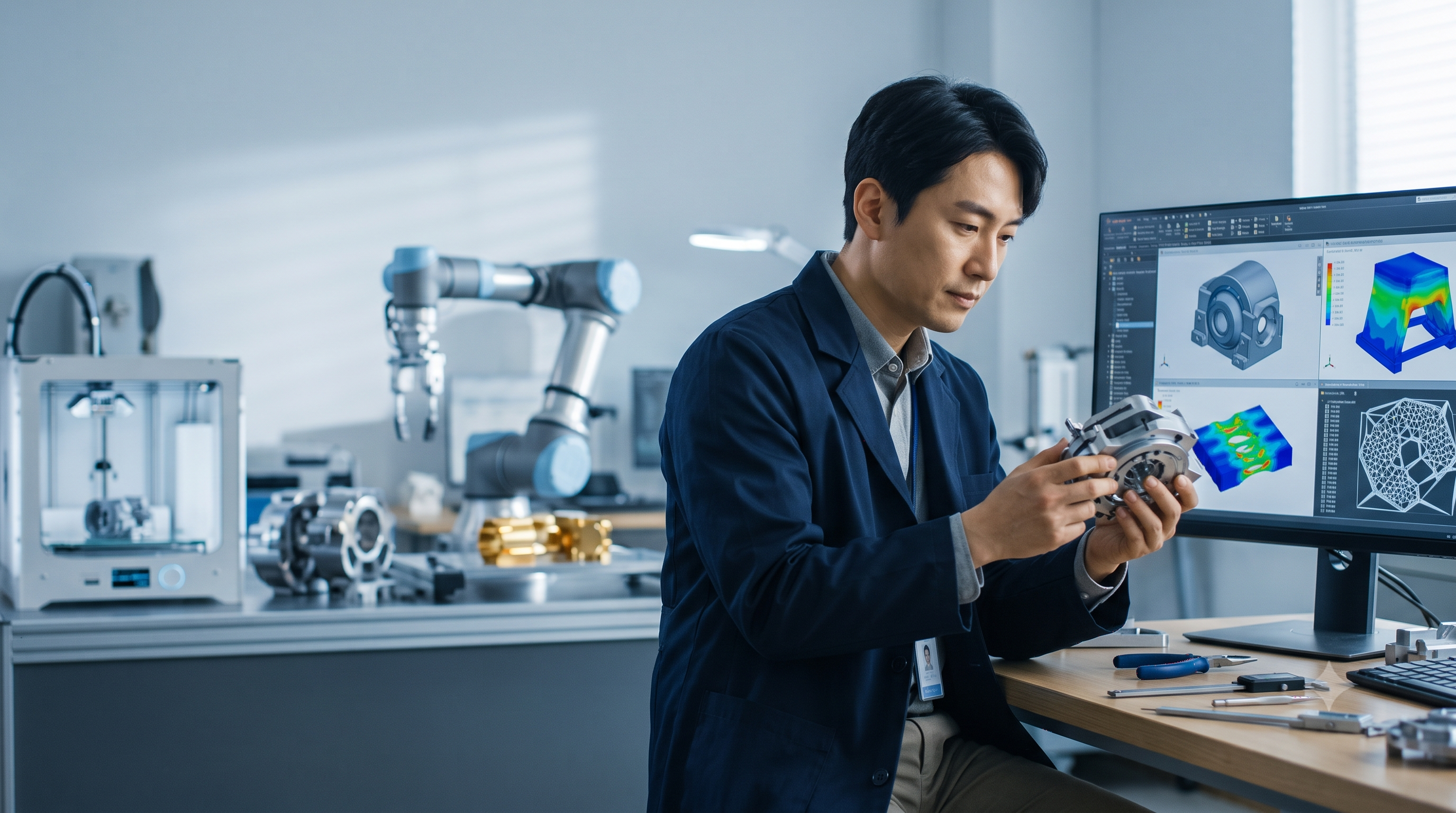
인공지능(AI)을 활용하여 새로운 기술을 개발했다면 그 발명도 특허를 받을 수 있을까요?
결론부터 말하면 AI를 활용했다는 이유만으로 특허등록이 불가능해지는 것은 아닙니다. 다만 AI를 단순히 사용한 것과 사람이 발명의 완성에 실질적으로 기여한 것은 구별해야 합니다.
2026년 10월 8일 국가지식재산위원회는 제42차 회의를 개최하여 AI 활용 발명, 디자인 및 저작권 관련 가이드라인을 종합적으로 점검하였습니다.
이번 발표에서 특히 주목할 내용은 AI 자체는 발명자가 될 수 없으며, AI를 활용한 기술이라도 사람의 실질적인 발명 기여가 있어야 한다는 점입니다.
또한 발명자 적격성이 의심되는 경우에는 심사 과정에서 발명자의 기여를 확인할 수 있는 자료를 요구할 수 있다는 점도 설명하였습니다.
이는 AI를 연구개발에 활용하는 기업이나 연구자에게 중요한 실무적 의미를 갖습니다.
1. AI를 이용한 발명도 특허를 받을 수 있습니다
최근 기업의 연구개발 현장에서는 AI가 다양한 방식으로 활용되고 있습니다.
기계장치의 형상을 최적화하거나, 신소재 조성비를 예측하거나, 화합물 후보물질을 탐색하거나, 반도체 회로와 제조공정을 개선하는 과정에도 AI 기술이 사용됩니다.
예를 들어 연구자가 기존 기계장치의 에너지 효율을 개선하기 위해 AI에게 여러 구조를 계산하도록 하고, 그 결과를 바탕으로 새로운 장치를 설계할 수 있습니다.
이 경우 AI가 계산이나 설계 과정에 참여했다는 사실만으로 그 발명이 특허를 받을 수 없게 되는 것은 아닙니다.
중요한 것은 발명의 기술적 특징을 완성하는 과정에서 누가 어떤 역할을 했는가입니다.
연구자가 기술적 문제를 구체적으로 설정하고, 실험조건을 설계하거나, AI의 결과를 검토·수정하여 새로운 기술적 구성을 완성하였다면 사람의 실질적 기여를 검토할 수 있습니다.
반면 AI에 일반적인 지시만 입력하고 자동 생성된 결과를 별도의 기술적 판단 없이 그대로 출원하는 경우에는 발명자로 인정될 만한 인간의 기여가 부족하다는 문제가 제기될 수 있습니다.
핵심은 AI 사용 여부가 아니라 사람이 발명의 기술적 사상을 완성하는 과정에 실질적으로 기여했는지 여부입니다.
2. 2026년 10월 정부 발표의 핵심 내용
이번 발표는 새로운 특허법 개정안이 즉시 시행되었다는 뜻은 아닙니다.
지식재산처는 이미 2026년 6월 AI 활용 발명 특허출원 가이드라인을 발간하였으며, 10월 8일 국가지식재산위원회 회의에서 그 내용을 포함한 AI 관련 지식재산권 안내체계를 종합적으로 점검하였습니다.
정부가 제시한 중요한 방향은 다음과 같습니다.
- AI를 활용하여 완성한 발명도 인간의 실질적 기여가 있다면 특허 보호를 받을 수 있습니다.
- AI 자체는 특허출원서상의 발명자가 될 수 없습니다.
- 단순한 프롬프트 입력이나 AI 결과물의 무비판적인 사용만으로는 인간 발명자의 기여를 인정하기 어려울 수 있습니다.
- 발명자의 실질적 기여가 의심되는 경우 심사관은 거절이유를 통지하면서 자필서명한 발명자 확인서 등의 자료를 요구할 수 있습니다.
- 사람의 실질적 기여 없이 AI가 대량으로 생성한 발명을 무분별하게 출원하는 행위에는 엄정하게 대응하겠다는 방침입니다.
정부는 향후 AI 관련 출원 사례를 축적하여 심사기준을 고도화하고, 고의적인 신의칙 위반 출원에 관한 추가적인 법적 제재 근거도 마련할 계획이라고 설명하였습니다.
따라서 현재 적용되는 원칙과 앞으로 추진할 제도 개선사항을 구별하여 이해하는 것이 중요합니다.
3. 사람의 실질적 기여는 어떤 경우 인정될 수 있을까요?
지식재산처는 이번 공식 발표에서 인간 발명자로 인정될 수 있는 사례를 구체적으로 설명하였습니다.
사례 1. 사람이 구체적인 기술조건을 설계한 경우
기계장치의 효율을 개선하려는 연구자가 일반적인 데이터를 입력하는 데 그치지 않고, 해당 장치의 작동환경에 맞는 특수한 물리적 조건과 설계 파라미터를 설정하여 AI에 입력한 경우입니다.
AI가 그 조건에 따라 최적화된 구조를 도출했다면, 연구자가 설정한 조건과 기술적 판단이 발명의 완성에 어떠한 역할을 했는지 검토할 수 있습니다.
여기서 중요한 것은 단순히 숫자를 많이 입력했다는 사실이 아니라, 해당 조건이 해결하려는 기술적 과제와 어떤 관계를 갖는가입니다.
사례 2. AI가 제안한 결과를 사람이 선택하고 개선한 경우
AI가 수백 개의 화합물 후보를 제시했는데, 연구자가 자신의 전문지식에 따라 유효한 후보를 선정하고 예상하지 못한 부작용을 해결하기 위해 분자구조를 변경한 경우를 생각해 볼 수 있습니다.
이때 연구자의 역할은 단순한 결과 확인이 아니라, 기술적 문제를 해결하기 위한 선택과 수정에 있습니다.
AI가 최초의 후보를 제안했다는 이유만으로 연구자의 기여가 부정되는 것은 아닙니다.
사례 3. 사람이 실험을 통해 발명을 구체화한 경우
AI가 새로운 소재의 배합비율을 제시하고, 연구자가 이를 실제 합성실험으로 검증하여 구체적인 제조조건이나 새로운 기술적 구성을 완성하는 경우입니다.
다만 모든 실험 수행이 자동으로 발명자 지위를 인정받게 하는 것은 아닙니다.
실험을 통한 기술적 구체화가 발명의 완성에 어떠한 기여를 했는지가 중요합니다.
위 사례들은 지식재산처 공식 발표에 제시된 내용입니다.
4. 프롬프트를 잘 작성하면 발명자로 인정받을까요?
AI 활용 발명에서 특히 혼동하기 쉬운 부분입니다.
AI에게 기술적 문제를 설명하고 구체적인 지시를 입력했다고 해서 그 작성자가 반드시 발명자가 되는 것은 아닙니다.
반대로 AI를 통해 계산이나 결과 도출이 이루어졌다고 해서 프롬프트를 작성한 사람이 발명자로 인정될 가능성이 항상 배제되는 것도 아닙니다.
중요한 것은 프롬프트 작성 과정에 포함된 인간의 기술적 판단이 실제 발명의 완성에 실질적으로 기여했는지입니다.
예를 들어 다음 두 경우는 구별할 필요가 있습니다.
| AI 활용 방식 | 발명자 판단의 쟁점 |
|---|---|
| “더 효율적인 배터리를 설계해 줘”라는 일반적인 지시 | 구체적인 기술적 기여가 있었는지 불명확 |
| 특정 배터리의 열화 원인을 분석하고 구조·재료·작동조건을 설계하여 AI 결과를 개선 | 사람이 핵심 기술적 구성을 완성하는 데 기여했는지 검토 가능 |
| AI가 만든 구조를 검토 없이 그대로 출원 | 인간의 실질적 기여 부족 가능성 |
| AI 결과에서 문제를 발견하고 새로운 구조로 수정 | 수정 과정의 기술적 기여 검토 가능 |
이러한 차이는 프롬프트의 길이나 복잡성만으로 판단되는 것이 아닙니다.
사람이 어떤 기술적 문제를 인식했고, 어떤 해결수단을 제시하거나 완성했는지를 살펴보는 것이 중요합니다.
5. AI가 만들었다는 사실을 숨기면 해결될까요?
AI를 사용했다는 사실을 숨기거나 발명자의 기여를 실제보다 과장하여 출원하는 방식은 적절한 해결책이 아닙니다.
특허출원에서는 발명의 기술적 내용뿐 아니라 발명자의 표시도 중요합니다.
이번 정부 발표에서는 발명자 적격성이 의심될 경우 심사관이 자필서명한 발명자 확인서 등의 자료를 요구할 수 있다고 설명하였습니다.
이는 모든 AI 관련 출원에 동일한 확인서 제출이 의무화되었다는 의미는 아닙니다.
다만 AI가 발명 과정에서 중요한 역할을 한 경우에는 사람의 기여를 설명할 수 있도록 연구개발 과정의 자료를 정리해 둘 필요성이 커졌다는 뜻으로 볼 수 있습니다.
예를 들어 연구과정의 기록, 설계변경 이력, AI가 제안한 후보에 대한 검토내용, 실험결과 등을 통해 실제 기술개발 과정을 설명할 수 있습니다.
이러한 자료는 발명자 판단뿐 아니라 발명의 완성과정과 기술적 효과를 설명하는 데에도 참고가 될 수 있습니다.
실무상 주의사항: AI를 활용한 발명에서는 출원서에 누구를 발명자로 기재할 것인가와 별도로, 그 사람이 실제 발명의 완성에 어떤 기술적 기여를 했는지를 확인하는 것이 중요합니다.
6. 발명자 적격성과 신규성·진보성은 서로 다른 문제입니다
이번 가이드라인에서 특히 주의할 점은 인간의 실질적 기여가 있다는 사실만으로 특허등록이 보장되는 것은 아니라는 점입니다.
AI 활용 발명 역시 일반적인 특허요건을 충족해야 합니다.
예를 들어 연구자가 AI를 이용하여 새로운 기계구조를 설계하는 데 실질적으로 기여했더라도, 그 구조가 이미 공개된 선행기술과 동일하다면 신규성이 문제될 수 있습니다.
또한 기존 기술을 통상적인 방법으로 조합하거나 쉽게 도출할 수 있는 구성이라면 진보성이 문제될 수 있습니다.
따라서 AI 활용 발명을 검토할 때는 적어도 다음 두 가지를 구분해야 합니다.
첫째, 해당 기술을 완성한 인간 발명자가 누구인지의 문제입니다.
둘째, 완성된 발명이 선행기술과 비교하여 특허등록을 받을 수 있는 기술적 특징을 갖추었는지의 문제입니다.
이 둘은 관련되어 있지만 동일한 판단은 아닙니다.
기존 제품에 AI 기능을 단순히 추가한 경우의 특허성 판단에 대해서는 스카이특허의 AI 기능을 기존 제품에 추가했는데 이것도 특허가 될까요?도 참고할 수 있습니다.
7. 기업의 AI 연구개발 과정에서 무엇을 관리해야 할까요?
AI 기반 연구개발을 수행하는 기업에서는 발명자와 특허출원 전략을 초기부터 함께 검토할 필요가 있습니다.
특히 다수의 연구원과 AI 시스템이 함께 기술개발에 참여하는 경우, 최종 결과물이 어느 한 사람의 작업만으로 만들어졌다고 보기 어려울 수 있습니다.
실무적으로는 다음과 같은 사항을 확인하는 것이 도움이 됩니다.
- 연구개발의 기술적 과제를 누가 설정했는지
- 핵심적인 설계조건이나 해결수단을 누가 제안했는지
- AI 결과에 대하여 누가 기술적 선택이나 수정·보완을 수행했는지
- 실험 및 검증과정에서 새로운 기술적 구성이 도출되었는지
- 특허 청구항에 기재될 핵심 구성에 실질적으로 기여한 사람이 누구인지
- 사내 직무발명 신고 및 권리승계 절차와 발명자 기재가 일치하는지
특히 발명자 지위와 특허를 받을 수 있는 권리의 귀속은 구별해야 합니다.
직무발명에 해당하는 경우에는 발명진흥법과 회사의 직무발명 관련 계약·규정에 따라 권리승계 문제도 함께 검토할 수 있습니다.
AI 시스템의 사용기록만을 남기는 것보다 기술적 판단과 발명의 완성에 관련된 핵심 기록을 정리하는 것이 중요합니다.
8. AI 디자인과 저작권도 함께 점검되었습니다
이번 국가지식재산위원회 회의에서는 특허뿐 아니라 AI 활용 디자인과 저작권 관련 가이드라인도 함께 점검되었습니다.
디자인 분야에서는 AI 자체를 창작자로 기재할 수 없고, 사람의 실질적 창작 기여가 있는 경우 등록 가능성을 검토할 수 있다는 기준이 설명되었습니다.
예를 들어 사람이 디자인의 형상, 비율, 구성 또는 색채 등 전체적인 심미감에 중요한 영향을 미치는 요소를 구체적으로 설계하고, AI를 활용하여 이를 완성하는 경우입니다.
반면 단순히 기존 디자인을 입력하고 개선을 요청한 뒤 AI 결과물을 그대로 사용하는 경우에는 인간의 실질적 창작 기여가 인정되기 어려울 수 있습니다.
저작권 분야에서는 AI 활용 저작물의 등록, AI 결과물에 의한 저작권 분쟁 예방, AI 학습과 공정이용 등에 관한 안내가 이루어졌습니다.
이는 AI 기술을 이용하는 기업이 특허뿐 아니라 디자인·저작권과 관련된 권리화 문제도 구분하여 검토할 필요가 있음을 보여줍니다.
9. AI 활용 발명을 출원하기 전에 확인할 사항
AI를 활용하여 새로운 기술이나 제품을 개발했다면 다음 사항을 먼저 검토하는 것이 좋겠습니다.
- 발명의 핵심 기술적 특징이 무엇인지
- 그 기술적 특징을 완성하는 과정에서 사람이 어떤 역할을 했는지
- AI 결과에 대한 선택·수정·실험 등의 기술적 기여가 있는지
- 기존 선행특허와 구별되는 구성이나 효과가 있는지
- 출원서에 기재할 실제 발명자가 누구인지
- 회사의 직무발명 승계 및 권리귀속 문제가 정리되어 있는지
- 명세서에서 핵심적인 기술적 구성과 효과를 충분히 설명할 수 있는지
AI는 연구개발의 중요한 도구가 될 수 있지만, AI가 생성한 결과물과 특허로 보호할 수 있는 발명은 동일하지 않습니다. 인간의 발명 기여와 기술 자체의 특허성을 각각 검토해야 합니다.
10. 스카이특허의 검토 방향
AI 활용 발명은 전통적인 기술개발 방식과 달리 AI가 기술적 후보를 제안하거나 최적화 과정에 참여할 수 있어 발명자의 기여를 판단하기 어려운 경우가 있습니다.
또한 AI를 사용했다는 사실만으로 특허성이 인정되는 것이 아니므로, 기존 선행기술과 비교하여 어떠한 새로운 기술적 특징을 확보했는지도 중요합니다.
스카이특허법률사무소는 AI 활용 발명의 구체적인 개발과정과 기술적 구성을 검토하고, 발명자 판단과 특허 청구범위 설정 및 선행기술 대비 차별화 방향을 함께 검토하고 있습니다.
AI가 제안한 기술적 아이디어를 제품이나 연구성과로 발전시켰다면, 단순히 AI 사용 여부에 초점을 맞추기보다 실제 발명의 핵심 구성과 인간 연구자의 기여를 종합적으로 확인하는 것이 바람직하겠습니다.
공식 참고자료
본 글은 2026년 10월 11일 기준 공식 발표자료와 관련 특허제도를 토대로 작성한 일반적인 정보입니다. 개별 발명의 특허등록 가능성과 발명자 판단은 구체적인 사실관계에 따라 달라질 수 있습니다.
English Version
Can an invention developed with artificial intelligence (AI) qualify for patent protection?
Using AI does not automatically make an invention ineligible for a patent. However, using AI as a tool must be distinguished from making a substantive human contribution to the conception and completion of an invention.
On October 8, 2026, Korea’s Presidential Council on Intellectual Property reviewed guidance addressing AI-assisted inventions, designs, and copyright matters at its 42nd meeting.
The central principle is that AI itself cannot be named as an inventor. Human inventorship requires a substantive contribution to the invention.
The announcement also explained that patent examiners may request additional evidence where the eligibility of a named human inventor is in question.
These developments are particularly important for companies and research organizations that incorporate generative AI, machine learning, and automated design tools into their research and development activities.
The official announcement is available from the Ministry of Intellectual Property of Korea (MOIP).
1. AI-Assisted Inventions Can Qualify for Patent Protection
AI is increasingly used in technical research and industrial product development.
Engineers use optimization tools to refine mechanical components, researchers apply machine learning to identify chemical compounds, and manufacturers use computational models to improve production processes.
For example, an engineer may use AI to evaluate different mechanical configurations and develop a new component that improves energy efficiency.
The fact that AI performed some of the calculations or suggested possible configurations does not automatically prevent the resulting invention from being patented.
The relevant question is how the technical invention was developed and what substantive contribution was made by a human.
A researcher may identify a specific technical problem, establish meaningful engineering constraints, select promising outputs, or modify AI-generated results to develop a technically distinct solution.
Such activity may support a finding of substantive human contribution.
By contrast, an individual who simply enters a broad instruction into an AI system and files the generated result without meaningful technical evaluation or modification may have difficulty establishing the necessary human contribution.
The key question is not whether AI was used, but whether a person made a substantive contribution to the technical invention.
2. What Did the Korean Government Announce in October 2026?
The October announcement should not be misunderstood as the immediate enactment of an entirely new patent statute.
Korea’s intellectual property authority had already published guidance on patent applications involving AI-assisted inventions in June 2026.
The October 8 meeting reviewed that guidance as part of a broader examination of AI-related intellectual property matters.
The announcement emphasized several important principles:
- AI-assisted inventions may receive patent protection where meaningful human inventive contributions exist.
- AI systems cannot themselves be named as inventors.
- Generic prompts or uncritical adoption of AI-generated results may be insufficient to establish human inventorship.
- Where inventorship is questioned, examiners may issue an office action and request documents such as a personally signed inventor confirmation.
- Authorities intend to address indiscriminate patent filings generated without substantive human inventive involvement.
The government also announced plans to refine examination standards and consider additional legal measures against deliberate bad-faith filings.
It is important to distinguish these future policy directions from requirements that already apply.
3. What Counts as a Substantive Human Contribution?
The official announcement provided practical examples of activities that may support recognition of human inventorship.
Example 1. Designing Specific Technical Conditions
Consider a researcher attempting to improve the efficiency of a mechanical device.
Rather than simply asking AI to produce an improved design, the researcher develops specialized engineering parameters and physical constraints based on an understanding of the device.
AI then uses those human-defined conditions to generate an optimized structure.
The relevant question is whether the researcher’s technical decisions meaningfully contributed to the invention.
The mere entry of many numerical parameters is not sufficient by itself. The technical significance of those parameters matters.
Example 2. Selecting and Improving AI-Generated Candidates
An AI system may identify hundreds of possible chemical compounds.
A researcher may then use specialized knowledge to select promising candidates and modify the molecular structure to overcome an unexpected side effect.
Here, the researcher’s contribution extends beyond simply viewing AI-generated results.
The technical selection and modification process may be central to completing the invention.
Example 3. Developing an Invention Through Experimental Work
AI may suggest a new material composition or manufacturing ratio.
A human researcher may conduct synthesis experiments, evaluate the results, and establish concrete manufacturing conditions or a new technical configuration.
Experimental work does not automatically establish inventorship in every case.
The question remains whether the human activity substantively contributed to completing the claimed invention.
These examples are described in the October 8 MOIP announcement.
4. Does Writing a Detailed AI Prompt Make Someone an Inventor?
Not necessarily.
Writing instructions for an AI system does not automatically establish inventorship.
However, using AI to perform computations or generate possible configurations does not automatically eliminate the possibility of human inventorship either.
The relevant issue is whether the human instructions and subsequent technical decisions materially contributed to the claimed invention.
For example, the following situations may require different assessments.
| AI-related activity | Inventorship consideration |
|---|---|
| Entering a generic instruction to design a more efficient battery | Substantive technical contribution may be unclear |
| Establishing specific battery design constraints based on identified degradation mechanisms | Potentially meaningful human technical contribution |
| Filing an AI-generated structure without technical evaluation | Possible lack of substantive human contribution |
| Identifying defects in an AI output and developing a new corrective structure | Human technical modification may be relevant |
The length or complexity of a prompt is not necessarily decisive.
What matters is whether the individual contributed to identifying the technical problem and developing the claimed solution.
5. Should Companies Conceal Their Use of AI?
Concealing AI involvement or overstating a person’s inventive contribution is not an appropriate patent filing strategy.
The identification of inventors is a legally significant part of a patent application.
The October announcement explained that examiners may request supporting evidence where the eligibility of a named inventor is questioned.
This does not mean that every AI-assisted application must automatically include an inventor declaration of the same form.
Nevertheless, organizations increasingly have practical reasons to maintain records of relevant research activities.
These may include engineering design histories, changes to AI-generated proposals, records of technical decisions, laboratory experiments, and documentation of how a final configuration was developed.
Such evidence may also assist in explaining the technical features and advantages of the invention.
Practical consideration: In AI-assisted development, companies should identify not only who is named as the inventor but also how that person contributed to the invention’s substantive technical features.
6. Inventorship and Patentability Are Different Questions
An important distinction is that substantive human contribution alone does not guarantee patent registration.
AI-assisted inventions must still satisfy the ordinary requirements of patent law.
For example, an engineer may make a genuine inventive contribution while developing a mechanical structure using AI.
If that structure is already disclosed in an earlier patent or other prior art, novelty may still be lacking.
Likewise, an invention may be considered obvious if its distinguishing features can be readily derived from existing technology by a person skilled in the art.
Accordingly, an AI-assisted patent application requires at least two distinct assessments.
First, the applicant should identify the human inventor or inventors who substantively contributed to the invention.
Second, the completed invention must be assessed against the relevant prior art for novelty, inventive step, and other patent requirements.
These questions are related but not interchangeable.
For a separate discussion of the patentability of ordinary AI integration, see SKY Patent & Law Firm’s article on adding AI functionality to an existing product.
7. Managing Inventorship in Corporate AI Research
Corporate research often involves multiple engineers, scientists, and software developers working alongside AI systems.
In such circumstances, the invention may not be attributable to the work of only one employee.
Companies should consider documenting the development process and the contributions associated with the central technical features of the invention.
Relevant questions may include:
- Who identified the technical problem?
- Who proposed the essential design conditions or technical solution?
- Who selected, modified, or improved the AI-generated results?
- Did experimental work lead to additional technical developments?
- Which individuals substantively contributed to features included in the patent claims?
- Are internal employee-invention reporting and ownership arrangements consistent with the actual development history?
Inventorship must also be distinguished from ownership of patent rights.
Where the invention arises in employment, applicable employee-invention laws, agreements, and company regulations may govern the succession or ownership of rights.
A record showing that an employee used an AI tool is not necessarily a sufficient record of inventive contribution.
The relevant technical decisions and development history should also be considered.
8. AI-Assisted Designs and Copyright Were Also Reviewed
The October meeting was not limited to patent law.
The government also reviewed guidance on AI-assisted industrial designs and copyright issues involving generative AI.
For designs, AI cannot be named as the creator.
Nevertheless, a design developed with AI assistance may qualify for protection where a human made substantive creative contributions.
For instance, a designer may determine the main visual characteristics, proportions, arrangement, or colors of a product and use AI to develop the resulting design.
By contrast, simply asking AI to improve an existing design and accepting the output without meaningful creative involvement may not establish sufficient human contribution.
The government also discussed copyright registration of AI-assisted works, infringement risks associated with generative outputs, and the assessment of fair use in AI training.
These developments demonstrate why businesses using AI should consider patent, design, and copyright issues separately.
9. What Should Be Reviewed Before Filing?
Before filing a patent application for an AI-assisted invention, the applicant should consider:
- What are the invention’s essential technical features?
- Which individuals substantively contributed to those features?
- Were the AI outputs technically selected, modified, or experimentally developed by humans?
- How does the invention differ from the relevant prior art?
- Who should be named as the inventor?
- Are employment-related ownership and succession matters properly addressed?
- Does the patent specification adequately describe the invention and its technical effects?
AI can be an important research tool, but an AI-generated result is not necessarily a patentable invention. Human inventorship and the patentability of the resulting technology must each be examined.
10. SKY Patent & Law Firm’s Approach
AI-assisted inventions can present challenging questions because AI systems may generate technical candidates, perform optimization, or contribute extensively to the development process.
Determining the human inventive contribution can therefore require a careful review of the actual research activities.
At the same time, the mere use of AI does not establish novelty or inventive step.
SKY Patent & Law Firm assists clients in reviewing the technical development of AI-assisted inventions, identifying relevant inventorship issues, assessing prior art, and developing appropriate patent claim strategies.
Businesses that use AI to develop new products, materials, or industrial processes should consider both the human contribution and the resulting invention’s substantive technical characteristics before filing.
Official References
- Ministry of Intellectual Property of Korea — October 8, 2026 Announcement on AI-Assisted Intellectual Property
- Ministry of Intellectual Property of Korea — Official Website and AI Inventorship Guidance
- Korea Law Information Center — Patent Act and Invention Promotion Act
This article provides general information based on official materials available as of October 11, 2026. Patentability and inventorship must be assessed in light of the facts of each invention.