특허는 있는데 제품화 자금이 부족하다면? 특허기반 사업화 R&D 지원과 준비사항
특허를 등록했지만 제품으로 구현하지 못했거나, 시제품은 만들었지만 성능·원가·양산 문제 때문에 매출로 연결하지 못한 기업이 있습니다. 이런 경우에는 출원비 지원보다 보유 기술을 제품으로 구현하고 검증하는 사업화 지원이 더 직접적인 도움이 될 수 있습니다.
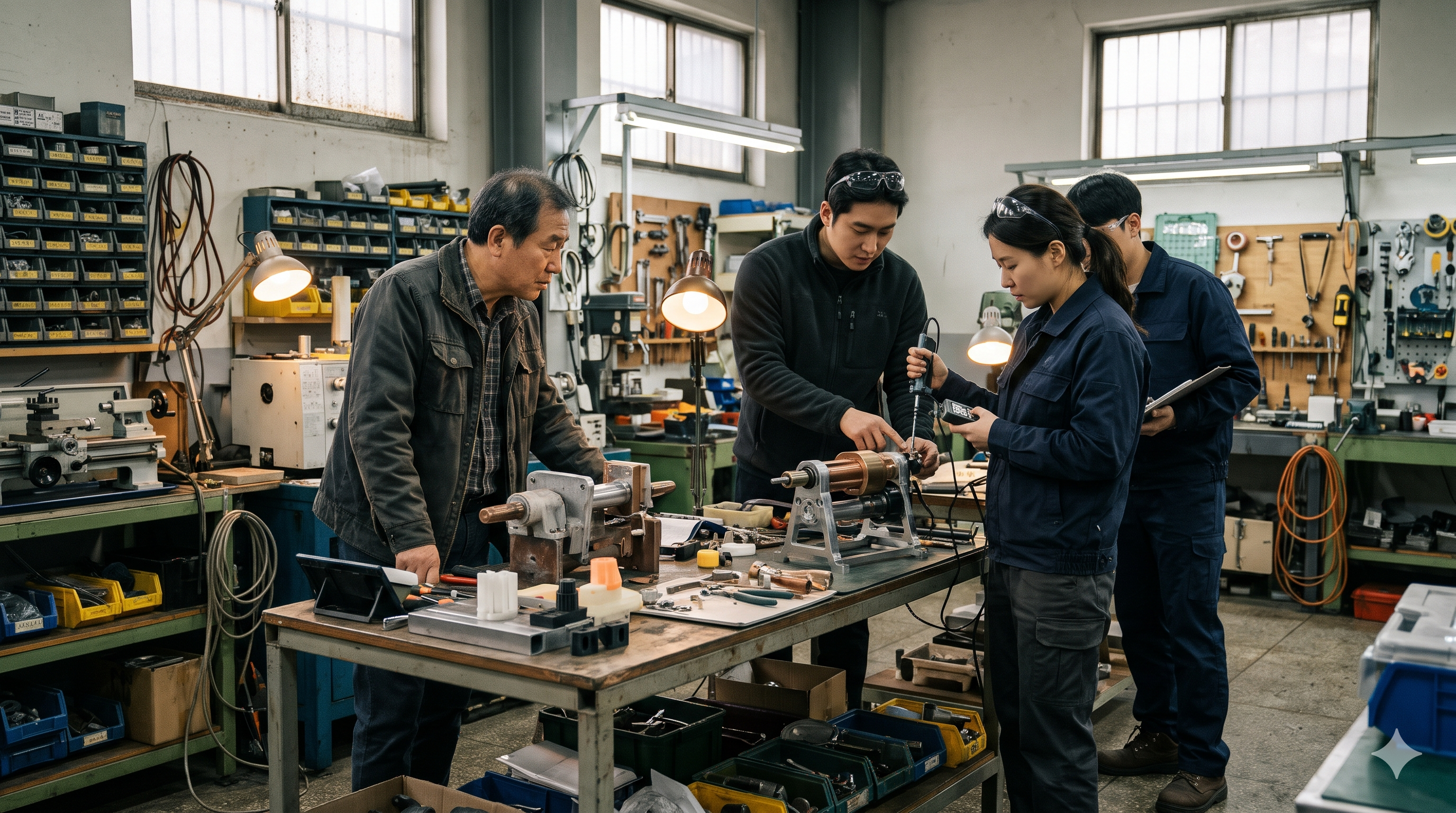
특허를 등록했지만 제품으로 구현하지 못했거나, 시제품은 만들었지만 성능·원가·양산 문제 때문에 매출로 연결하지 못한 기업이 있습니다. 이런 경우에는 출원비 지원보다 보유 기술을 제품으로 구현하고 검증하는 사업화 지원이 더 직접적인 도움이 될 수 있습니다.
한국발명진흥회의 특허기반 사업화 R&D 지원사업은 이러한 기업을 대상으로 기술문제 해결과 제품개발·고도화 등을 지원하는 제도입니다. 다만 ‘최대 지원금’이 회사 통장으로 들어오는 현금은 아닙니다. 2026년 단독형 공고의 지원 방식과 자격, 후속 지원 구조를 구분해서 살펴봐야 합니다.
접수 상태부터 확인하세요. 2026년 단독형의 신청기간은 3월 12일부터 3월 24일 오후 4시까지였으며 이미 종료됐습니다. 이 글은 2026년 10월 30일 확인한 공고를 바탕으로 준비 방향을 설명합니다. 추가 모집이나 다음 연도 일정이 확정됐다는 의미는 아닙니다.
1. 어떤 기업의 문제를 해결하는 사업인가요?
사업의 핵심은 기업이 보유하거나 도입한 지식재산을 제품화하는 과정에서 발생한 기술적 장애를 해결하는 데 있습니다. 단순히 특허 명세서를 작성하거나 정부지원사업 신청서를 대신 만들어 주는 서비스와는 다릅니다. 기술과 제품을 분석하고, 다른 산업의 특허정보까지 활용하여 해결 방향을 찾고 검증하는 구조입니다.
예를 들어 반복 시험에서도 목표 성능에 도달하지 못하는 부품, 제조원가가 높아 판매가격을 맞추기 어려운 제품, 기능은 있지만 사용성이 떨어져 고객이 선택하지 않는 장비 등이 검토 대상 상황이 될 수 있습니다. 이는 이해를 위한 예시이며, 실제 선정 사례나 모든 과제의 적격성을 뜻하지 않습니다.
한국발명진흥회 사업안내에는 기술적 문제해결·검증, 제품개발·고도화, 인증·양산과 판로 지원을 아우르는 구조가 설명되어 있습니다. 신청기업은 이 가운데 어떤 문제를 해결하려는지 먼저 좁혀야 합니다. ‘사업자금이 필요하다’는 설명만으로는 수행할 과제와 결과물을 특정하기 어렵습니다.
2. 특허를 가지고 있으면 모두 신청할 수 있나요?
2026년 단독형은 혁신기술 트랙과 거래기술 트랙으로 구분되었습니다. 혁신기술 트랙은 사업화 유망기술과 관련된 등록 특허권·실용신안권·디자인권 등을 보유한 중소·중견기업을 대상으로 하며 전용실시권도 포함합니다. 단순히 심사 중인 출원이 있다는 사실만으로 이 트랙의 등록권리 요건을 충족한다고 볼 수 없습니다.
법인기업은 원칙적으로 등록원부상 최종권리자가 신청 법인 명의인지 확인해야 합니다. 개인사업자는 대표자 명의 권리가 인정되는 조건이 안내되어 있습니다. 대표자가 개인적으로 보유한 특허와 법인이 보유한 특허를 혼동하지 않아야 합니다.
거래기술 트랙은 기술거래 플랫폼을 통한 기술 도입과 거래 시점 등 별도의 조건을 적용합니다. 대학·공공연 기술을 이전받은 경우의 통상실시권 인정, 기술이전 예정 기업의 계약 체결 요건도 공고에 제시되어 있습니다. 따라서 두 트랙을 하나의 자격표로 합치기보다 2026년 단독형 공식 모집공고와 첨부문서에서 해당 조건을 확인해야 합니다.
3. 최대 9천만 원과 후속 5억 원은 어떻게 다를까요?
2026년 단독형 공고의 1년차 지원 규모는 기업당 최대 9천만 원 이내입니다. 이 금액은 정부지원금에 기업부담금의 현금·현물과 부가세까지 포함한 총 지원금액 기준입니다. 전문기관의 컨설팅 용역비와 검증 등에 필요한 제반 비용으로 간접 지원하며, 기업이 자유롭게 사용하는 현금성 사업화자금과 다릅니다.
공고에는 1년차 수행 후 최종평가를 통해 우수기업을 별도로 선정하고, 2·3년차 특허기술 상용화를 후속 지원하는 구조도 나옵니다. 연차별 안내에는 2년차와 3년차 각각 최대 5억 원이 제시되어 있지만, 처음 선정된 기업 모두에게 자동으로 배정되는 금액은 아닙니다. 예산과 후속 선정조건을 확인해야 합니다.
자부담도 함께 계산해야 합니다. 2026년 단독형 공고는 중소기업과 중견기업의 현금 부담 기준을 달리 정하고 현물 부담도 구분합니다. 실제 신청에서는 적용 유형과 확정 사업비를 확인해야 하므로, ‘무료 제품개발’로 소개하거나 최대 지원규모를 전부 정부가 부담한다고 계산해서는 안 됩니다.
사업의 가치는 최대 금액보다 우리 제품의 문제를 어디까지 해결할 수 있는지에 있습니다. 현금 지급 여부, 기업부담금, 1년차 결과물과 후속 선정조건을 함께 비교하세요.
4. 우리 회사에는 어떤 과제가 맞을까요?
2026년 공고는 기업 수요와 기술난제, 시장진출 목적에 따라 신제품 기획·기술 문제해결·제품 개선으로 나누어 지원합니다. 아래 구분은 자신의 문제를 설명하기 위한 출발점이며 최종 과제는 평가를 거쳐 조정될 수 있습니다.
신제품 기획이 필요한 경우
보유 기술은 있지만 목표 고객과 사용 상황, 제품 기능이나 수익모델을 구체화하지 못한 경우입니다. 기업이 이미 완성한 신제품을 홍보하는 내용보다, 기존 역량으로 어떤 새로운 고객가치를 만들지 설명하는 것이 중요합니다. 고객의 불편과 시장 검증 계획을 기술자료와 함께 준비하는 편이 좋습니다.
기술 문제해결이 필요한 경우
성능·품질·원가·공정 등의 문제를 해결하려 노력했지만 목표에 도달하지 못한 경우입니다. 실패 현상, 시험 조건과 기존 시도를 정리하고, 어떤 성능을 어느 수준까지 개선할지 제시해야 합니다. 단순히 ‘효율 향상’이라고 쓰기보다 측정 가능한 지표와 확인 방법을 설명해야 과업을 정하기 쉽습니다.
제품 개선이 필요한 경우
기능·성능·사용성 문제와 제품디자인 개선이 연결되는 경우입니다. 외관만 바꾸려는 요청과 사용자 문제를 해결하는 기능·구조 개선을 구별해야 합니다. 변경할 수 없는 규격, 설치 환경, 기존 고객의 요구와 생산 조건도 함께 제시하면 개선 범위를 현실적으로 정할 수 있습니다.
5. 신청서보다 먼저 정리할 자료
준비자료는 ‘권리가 있는가’, ‘무엇이 막혀 있는가’, ‘해결되면 어떻게 판매할 것인가’라는 세 질문에 답하도록 구성하는 것이 좋습니다. 다음 목록은 실무 준비용이며, 공식 필수 제출서류는 해당 회차 양식을 따릅니다.
- 권리 자료: 등록번호, 현재 권리자, 등록원부, 실시권·기술이전 계약과 제품에 적용되는 기술 내용.
- 제품 자료: 사진·도면, 주요 기능과 작동원리, 개발단계, 시제품 또는 양산품의 현 상태.
- 문제 자료: 시험 결과, 불량·고장 현상, 고객 불편, 원가·성능 제약과 이미 시도한 해결책.
- 목표 자료: 개선 전후 수치, 평가방법, 필요한 검증과 이번 과제에서 완성할 결과물.
- 사업 자료: 목표 고객, 경쟁제품, 판매·납품 계획과 검증 가능한 시장 근거.
- 수행 자료: 내부 담당자, 연구개발·생산 역량, 일정과 기업부담금 대응 계획.
기존에 수행한 정부과제나 외부 개발이 있다면 이번 요청과 어떤 부분이 다른지도 정리해 두는 것이 좋습니다. 같은 제품을 다룬다는 이유만으로 중복 여부를 단정하지 말고, 지원 내용과 산출물이 겹치는지 확인해야 합니다.
6. 특허 목록보다 ‘제품과 권리의 연결’이 중요합니다
등록특허가 여러 건 있어도 이번 제품의 핵심 문제와 관계없는 권리라면 설득력이 떨어집니다. 제품의 핵심 기능이 어느 권리의 어떤 기술내용과 연결되는지 설명하는 자료가 필요합니다. 권리번호만 나열하기보다 구조·작동원리와 제품 사진을 대응시켜 보여주는 편이 이해하기 쉽습니다.
공동소유, 기술이전과 실시권이 있으면 실제 사업화 범위와 계약상 제한도 확인해야 합니다. 이번 과제에서 개선기술이나 새로운 디자인이 나오면 누가 어떤 권리를 확보할지, 외부 수행기관과 어떤 자료를 공유할지도 미리 논의하는 것이 좋습니다. 이는 사업신청서의 기술설명과 별도로 정리할 계약·권리 쟁점입니다.
또한 자기 특허가 있다는 사실과 다른 회사의 유효 특허를 침해하지 않는다는 판단은 별개입니다. 사업화 과정에서 제품 구조가 달라진다면 관련 권리와 경쟁기술을 다시 검토할 필요가 있습니다. 지원사업 선정과 제품 판매의 법적 안전성을 같은 의미로 설명해서는 안 됩니다.
7. 마감된 공고를 지금 살펴볼 이유
모집이 끝났더라도 다음 공고를 기다리는 동안 권리 명의, 기술자료와 사업화 계획을 정리할 수 있습니다. 짧은 접수기간 안에 등록원부·계약·시험자료를 처음부터 모으는 것보다, 현재 갖춘 조건과 부족한 점을 미리 확인하는 편이 낫습니다. 다만 차기 사업이 동일하게 운영된다는 전제는 두지 않아야 합니다.
실제 접수 전에는 특허기반 사업화 R&D 공식 공고 목록에서 수혜기업 모집인지 수행기관 모집인지부터 구분하세요. 교육·설명회나 용역 입찰을 참여기업 추가 모집으로 오인하지 않아야 합니다. 새 공고가 게시되면 대상, 금액, 자부담과 일정은 그 공고를 기준으로 다시 확인합니다.
8. 지원사업과 특허전략을 함께 준비합니다
이 사업을 검토할 때에는 지원금 액수보다 보유 권리와 제품화 과제의 적합성을 먼저 판단해야 합니다. ‘등록된 권리 → 해결할 기술문제 → 검증할 결과물 → 실제 판매계획’이 연결되면 기업 내부의 준비 방향도 명확해집니다. 초기 단계부터 모든 외주비를 지원받을 수 있다고 가정하는 대신, 사업으로 해결할 부분과 회사가 부담할 부분을 나누어 정리하세요.
스카이특허법률사무소는 보유 권리와 제품기술의 대응관계, 권리 명의·실시권, 개선기술 권리화와 특허 포트폴리오 등 지식재산 관련 검토를 지원합니다. 사업 선정이나 지원금 지급을 보장하는 것은 아니며, 지원기관의 심사와 수행기관의 사업화 업무는 구분됩니다.
공식 참고자료
- 한국발명진흥회 — 특허기반 사업화 R&D 사업안내
- 지식재산처·한국발명진흥회 — 2026년 단독형 모집공고 및 첨부문서
- 한국발명진흥회 — 특허기반 사업화 R&D 공고 목록
제품·기술과 특허의 연결을 검토하고 싶으신가요?
스카이특허법률사무소에 보유 권리와 개발 중인 제품, 현재 해결하려는 문제를 알려주세요. 권리 명의·활용 범위와 개선기술의 권리화 등 필요한 지식재산 검토 범위를 안내합니다. 스카이특허법률사무소 홈페이지에서 문의하기
English Version
A registered patent does not automatically produce a marketable product. Companies may still face unresolved performance, cost, usability or manufacturing problems. For these businesses, support that helps implement and validate a product may be more relevant than assistance with filing costs.
Korea’s Patent-Based Commercialization R&D program addresses this gap. However, a published maximum support figure is not a cash payment into the applicant’s bank account. Eligibility, indirect project support and conditional follow-on assistance must be considered separately.
Application status: the 2026 standalone call accepted applications from March 12 to March 24, closing at 4 p.m., and has ended. This article explains preparation using official materials checked on October 30, 2026. It does not announce an additional round or a confirmed schedule for the following year.
1. What problem does the program address?
The program helps businesses overcome technical obstacles when commercializing IP they own or have acquired. It is different from paying for a patent specification or having someone prepare a funding application. The approach combines technology and product analysis, patent information—including information from other industries—and validation of proposed solutions.
Illustrative situations include a component that repeatedly misses performance targets, a product whose production cost prevents competitive pricing, or equipment that works technically but offers poor usability. These examples explain the issues; they are not approved case studies or guarantees of eligibility.
The official program overview describes support extending across technical problem-solving, validation, product development and improvement, certification, manufacturing and market access. A company should first identify which obstacle it needs to resolve. A general request for operating funds does not define a deliverable.
2. Does owning a patent establish eligibility?
The 2026 standalone call distinguished an innovative-technology track from a technology-transaction track. The former covered eligible SMEs and mid-sized enterprises holding registered patents, utility models or designs related to promising commercialization technologies, including qualifying exclusive licences. A pending application should not be treated as meeting a registered-right requirement.
For a corporate applicant, the final owner on the register generally needs to be the applying legal entity. The notice also provides conditions for rights held by the representative of a sole proprietorship. A founder’s personally owned patent is not necessarily an asset owned by the corporation.
The transaction track applies separate requirements concerning technology acquisition through transaction platforms, timing and the relevant rights. It also addresses non-exclusive licences for technologies acquired from universities or public research bodies, and agreements not yet completed. Applicants should use the official 2026 notice and attachments to identify their track rather than combining the conditions into one eligibility assumption.
3. How do KRW 90 million and later KRW 500 million support differ?
The first-year ceiling in the 2026 standalone call was KRW 90 million per company. This is a total project-support figure including government support, company cash and in-kind contributions, and VAT. It finances professional-service and related validation costs indirectly rather than providing unrestricted commercialization cash.
The notice also sets out follow-on commercialization support for outstanding companies selected separately after final evaluation of first-year work. Its annual framework shows ceilings of KRW 500 million in each of years two and three. These amounts are not automatically allocated to every first-year participant. Subsequent evaluation, conditions and budgets matter.
Applicants also need to budget their own contributions. The 2026 notice distinguishes cash requirements for SMEs and mid-sized enterprises, alongside in-kind contributions. The applicable track and agreed project cost must be checked before calculating the company’s actual commitment. The program should not be described as free product development or wholly government-financed support.
Focus on what the project can solve, not only the maximum figure. Compare the support mechanism, company contribution, first-year deliverables and requirements for later selection.
4. Which project type fits the business?
The 2026 call divided work into new-product planning, technical problem-solving and product improvement. The final category could be adjusted through evaluation.
New-product planning
This may suit a company with core technology but an insufficiently defined customer, use case, product concept or business model. The question is how existing capabilities could create new customer value, rather than how to promote an already finished product. Evidence of customer needs and a market-validation plan should accompany technical information.
Technical problem-solving
This concerns obstacles involving performance, quality, cost or production processes that the company has tried but failed to resolve. Applicants should explain failure conditions, experiments and previous attempts, then identify measurable improvement targets and how they will be tested. A broad promise of higher efficiency is less useful than a defined engineering problem.
Product improvement
This connects functional, performance or usability problems with product-design improvement. A cosmetic refresh should be distinguished from a change that solves user problems through function or structure. Fixed specifications, installation conditions, customer requirements and manufacturing constraints help define realistic project boundaries.
5. Prepare evidence before drafting the application
A useful preparation package answers three questions: what rights does the business have, what is blocking commercialization, and how will the improved product reach customers? The following is a practical checklist, not a substitute for the official submission forms.
- Rights: registration details, owner, register extracts, licences or technology-transfer agreements, and the technology used in the product.
- Product: photographs, drawings, functions, operating principles, development stage and the condition of prototypes or production units.
- Problem: test results, defects, customer complaints, cost or performance constraints, and previous solutions attempted.
- Targets: before-and-after measures, evaluation methods, required validation and expected deliverables.
- Business: target customers, competing products, sales or delivery plans and supporting market evidence.
- Execution: responsible staff, development and manufacturing capabilities, timetable and company-contribution plan.
Previous government projects and external development work should be identified so the proposed scope can be compared. Using the same product does not alone settle duplication questions; the supported work and outputs need examination.
6. Connect the rights to the product
A long patent list is less persuasive if the rights do not explain the product or its current obstacle. Map the core function to the relevant technical disclosure and use product photographs or structural explanations where useful. Registration numbers alone do not tell the commercialization story.
Joint ownership, technology transfers and licences may raise separate questions about permitted commercialization and contractual restrictions. If new technology or designs will emerge, discuss ownership, future filings and information sharing with external participants in advance. These are rights and contract issues as well as technical application matters.
Having a patent does not establish freedom to operate under third-party rights. Changes to product structure during the project may justify another review of relevant patents and competing technologies. Program selection and the legal ability to sell a product are different conclusions.
7. Why review a closed call now?
Companies can organize ownership records, technical evidence and commercialization plans while waiting for another opportunity. This is more efficient than collecting everything during a short application window. However, a future program must not be assumed to retain the same rules.
Use the official program notice list to distinguish beneficiary recruitment from service-provider procurement, training and briefings. A tender or workshop announcement is not an additional recruitment round for supported companies. Recheck eligibility, amounts, contributions and dates against any newly published call.
8. Coordinate support preparation with IP strategy
The central question is whether the rights and proposed commercialization project fit together. A clear chain from registered rights to a technical problem, validation deliverables and a sales plan helps the business define its priorities. Separate the work to be supported from development and commercial responsibilities that remain with the company.
SKY Patent & Law Firm can assist with mapping rights to products, ownership and licensing questions, protection of improvements and IP portfolio planning. Selection or funding is not guaranteed, and the support agency’s assessment and the service provider’s commercialization work remain separate roles.
Official References
- KIPA — Patent-Based Commercialization R&D overview
- MOIP / KIPA — 2026 standalone call and attachments
- KIPA — Program notice list
Discuss the IP behind your product
Share your rights, product-development stage and technical questions with SKY Patent & Law Firm. We can define an IP review covering ownership, permitted use and protection of improvements. Contact SKY Patent & Law Firm.