친환경 제품 개발에 최대 5천만 원 규모 지원 — 탄소중립 아이디어 사업화와 수요기업 매칭
친환경 기술을 개발하는 중소기업의 고민은 아이디어를 내는 데서 끝나지 않습니다. 기존 제품보다 자원을 덜 쓰면서 성능을 유지할 수 있는지, 시제품을 만들고 시험할 수 있는지, 실제 구매기업의 요구를 충족할 수 있는지가 사업화의 다음 관문입니다.
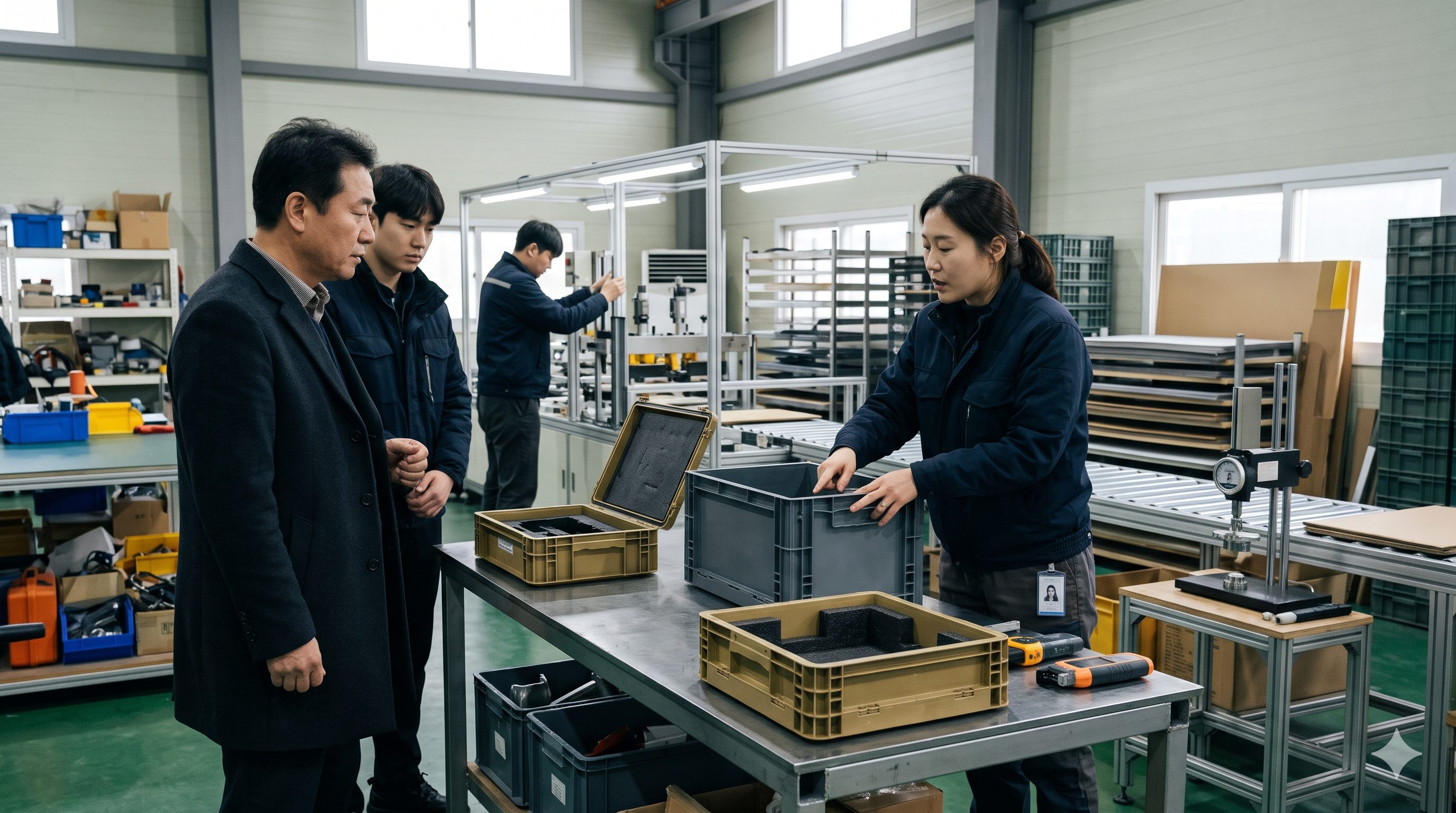
친환경 기술을 개발하는 중소기업의 고민은 아이디어를 내는 데서 끝나지 않습니다. 기존 제품보다 자원을 덜 쓰면서 성능을 유지할 수 있는지, 시제품을 만들고 시험할 수 있는지, 실제 구매기업의 요구를 충족할 수 있는지가 사업화의 다음 관문입니다.
탄소중립분야 아이디어 거래·사업화 지원사업은 외부 아이디어의 거래·활용을 통해 기업의 친환경 기술과 제품혁신을 지원하는 사업입니다. 제품화 패키지와 후속 지원을 살펴볼 수 있지만, 모든 참여기업에 현금이 지급되거나 구매가 확정되는 사업으로 이해해서는 안 됩니다. 2026년 2차 공고는 기업당 최대 5천만 원 규모의 간접 지원과 해당 기업에 대한 후속 연계를 안내합니다. 일반 사업개요와 해당 연도 모집공고의 내용을 구분해서 읽는 것이 중요합니다.
접수 상태 안내: 2026년 1차 모집은 1월 19일\~2월 6일, 2차 모집은 2월 24일\~3월 13일로 공고되었으며 모두 종료됐습니다. 이 글은 2026년 10월 30일 확인한 자료로 사업 구조와 준비사항을 설명합니다. 신규 모집이나 차기 연도 일정이 확정됐다는 안내는 아닙니다.
1. 단순한 ‘친환경 지원금’과 무엇이 다른가요?
이 사업의 중심에는 기업이 가진 기술·제품의 문제와 외부의 창의적 아이디어를 연결하는 과정이 있습니다. 사업 목적은 친환경이라는 표현을 사용하는 기업에 일률적으로 자금을 주는 것이 아니라, 탄소중립 분야의 문제를 해결하고 제품혁신으로 이어지도록 지원하는 것입니다.
따라서 ‘환경에 좋은 제품을 만들겠다’는 선언보다 현재 제품의 어떤 문제가 자원 낭비나 비효율로 이어지는지 설명해야 합니다. 해결할 과제가 분명할수록 어떤 아이디어를 도입하고 어느 부분을 검증할지도 구체화됩니다. 고객에게 필요한 성능과 원가·내구성 등의 조건을 동시에 고려하는 것이 중요합니다.
한국발명진흥회의 공식 사업개요는 국민의 아이디어를 활용한 IP 제품화 패키지와 후속 지원을 안내합니다. 여기서 IP는 완성된 등록특허의 목록만을 의미하는 것이 아니라, 아이디어를 기술·제품으로 구현하면서 권리와 활용관계를 함께 정리해야 한다는 관점으로 이해할 수 있습니다. 다만 실제 신청 자격과 지원항목은 해당 회차 공고가 우선합니다.
2. 2026년 2차 공고의 대상과 지원 규모
2차 공고의 대상은 탄소중립 분야 보유 기술·제품과 관련된 문제해결·제품혁신 수요가 있는 중소기업입니다. 직·간접적인 탄소저감 효과가 있는 환경제품을 포함하며, 녹색기술의 개발·제품화를 추진하는 기업과 특허·실용신안 등록 또는 기술이전 실적이 있는 기업에 대한 우대사항도 안내되어 있습니다. 등록특허가 있어야만 모든 기업이 신청할 수 있다고 조건을 바꾸어 읽어서는 안 됩니다.
공고는 총 15개사 내외, 기업당 최대 5천만 원 이내, 5개월 내외의 지원을 제시합니다. 최대 5천만 원에는 자기부담금 20%와 부가세가 포함되며 기업에 직접 지급하는 현금이 아닙니다. 별도로 선정되는 수행사의 용역비와 제반 비용에 사용하는 방식입니다. 기업부담금 중 현금부담금은 5백만 원으로 안내되어 있습니다.
지원 패키지는 아이디어 발굴·거래, 제품·기능 및 특허 분석, 제품화 해결안 도출, 기구설계와 시작품 제작·검증, IP전략 수립 등으로 구성됩니다. 시작품 범위와 추가 자부담 가능성은 기업의 필요와 역량, 과제 비용을 고려하여 협의하도록 되어 있습니다. 2026년 2차 공고와 첨부 공고문에서 금액과 제공 방식, 조건을 함께 확인하세요.
3. 시범구매와 수요기업 매칭은 구별해야 합니다
일반 사업소개는 민간 수요기반형에 시범구매 등을 포함한 후속 지원을 설명하지만, 2026년 2차 첨부공고는 해당 기업의 후속 지원으로 민간 수요기업 매칭을 안내합니다. 매칭은 민간 수요기업과 선정 중소기업 양측이 모두 동의한 경우 협업 가능성을 논의하는 절차입니다. 모든 선정기업에 구매가 확정되는 구조로 표현해서는 안 됩니다.
첨부자료의 민간 수요분야에는 전시폐기물 감소·업사이클링, 친환경 연료의 저장·운송, 재생에너지 활용과 고효율 에너지 설비, 열효율 개선과 에너지 모니터링 등이 예시로 제시되어 있습니다. 실제 기업은 자신의 기술이 제시된 사용 환경과 성능에 맞는지 검토해야 합니다. 과거 공고의 수요목록이 다음 회차에도 유지된다고 가정할 수는 없습니다.
공고에는 해당 기업에 대한 넷제로 챌린지X 연계와 조달청 혁신제품 추천도 설명되어 있습니다. 연계·추천은 별도 제도의 최종 인증이나 구매, 납품계약이 자동으로 성립한다는 뜻이 아닙니다. 각각의 조건과 후속 절차를 확인해야 합니다.
제품화 지원, 수요기업 매칭, 시범구매와 장기 납품계약은 서로 다른 단계입니다. 특히 2026년 2차 공고의 매칭을 ‘선정되면 구매 보장’으로 바꾸어 설명하면 안 됩니다.
4. 신청 경로와 증빙도 회차별로 확인합니다
2026년 2차 모집은 ‘아이디어로’ 홈페이지의 기업회원 신청 방식으로 안내되어 있습니다. 접수 마감은 3월 13일 오후 5시였으며 현재 종료된 공고입니다. 신청서·과제요청서와 부담금 납부 동의, 사업자등록증·중소기업확인서, 넷제로 챌린지X 관련 서식 등은 해당 공고의 필수·해당시 구분을 따라야 합니다.
사업 소개에 있는 유형·규모를 특정 회차의 조건으로 그대로 옮겨서는 안 됩니다. 특히 예전 개요에 나온 기업 수와 2026년 2차 공고의 15개사 모집은 구분해야 합니다. 공식 사업공고 목록에서 새로운 회차가 있는지 확인하고, 실제 제출 전에는 그 회차의 첨부서식과 신청 경로를 다시 읽는 것이 좋습니다.
5. 친환경 효과는 제품의 성능과 함께 설명합니다
사업을 준비하는 기업이라면 현재 제품과 개선 제품을 어떤 조건에서 비교할지 정리하는 것이 좋습니다. 사용 중 에너지가 줄더라도 수명이나 생산 과정에 다른 부담이 생길 수 있습니다. 어느 단계의 자원·에너지·폐기물 문제를 줄이려는지 특정하면 기술자료의 방향도 명확해집니다.
이때 모든 신청기업이 특정 탄소배출 인증을 반드시 갖춰야 한다는 식의 요건을 임의로 만들 필요는 없습니다. 적용 과제와 공고가 요구하는 증빙을 확인하고, 주장하는 개선 효과를 설명할 수 있는 자료를 준비하면 됩니다. 다음은 법정 필수서류 목록이 아니라 기술설명을 구체화하기 위한 실무 예시입니다.
- 비교 기준: 현재 제품, 대체 제품 또는 기존 공정 중 무엇을 기준으로 삼는지.
- 측정 범위: 제품 생산·사용·회수 등 어느 단계의 효과를 확인하는지.
- 성능 지표: 에너지 사용, 재료 사용량, 반복 사용횟수, 수명이나 불량률 등 해당 제품에 맞는 수치.
- 검증 조건: 시험 환경, 사용량, 하중, 기간과 결과를 비교할 방법.
- 고객 조건: 안전성, 내구성, 가격과 현장 작업방식 등 실제 채택에 필요한 사항.
같은 기능을 제공하는 조건에서 비교하는지 확인해야 효과를 과장하지 않을 수 있습니다. 수치를 아직 측정하지 못했다면 목표와 확인된 실적을 구분해서 제시하는 편이 좋습니다.
6. 외부 아이디어를 받으면 권리도 함께 정리해야 합니다
아이디어의 제출, 거래와 실제 제품개발은 연결되어 있지만 동일한 행위가 아닙니다. 제안된 아이디어를 어느 범위에서 이용할 수 있는지, 기존 특허나 디자인권과 관련이 있는지, 거래 대가와 비밀유지 범위는 무엇인지 계약과 운영 조건을 통해 확인해야 합니다.
개발 과정에서는 기업의 원래 기술, 도입 아이디어와 수행기관이 보완한 기술이 섞일 수 있습니다. 사전에 보유한 기술과 과제 수행 중 새로 만든 기술을 구분해 두면 이후 출원·실시·이전 협의에 도움이 됩니다. 시범구매를 위해 제공한 기술자료를 다른 용도로 사용할 수 있는지도 별도 쟁점입니다.
특히 지원받았다는 이유만으로 모든 결과물과 특허가 자동으로 신청기업 소유가 된다고 단정해서는 안 됩니다. 사업의 협약과 아이디어 거래계약, 공동개발계약 등 적용 문서에 따라 권리관계를 확인해야 합니다. 외부 기술을 채택하기 전에는 타인의 유효 권리와 충돌할 가능성도 함께 검토하는 것이 좋습니다.
7. 다음 모집을 준비할 때 정리할 자료
기업은 자신의 개발 문제와 적용 가능성을 먼저 한두 장으로 설명할 수 있어야 합니다. 그다음 필요한 권리·기술·사업자료를 붙이면 신청 유형에 맞춰 보완하기 쉽습니다. 아래는 준비 순서를 돕는 체크리스트이며 실제 제출은 새 공고의 양식을 따릅니다.
- 대상 제품과 현황: 사진, 구조도, 개발단계와 현재 판매·시험 상태를 정리합니다.
- 해결할 문제: 자원·에너지·폐기물 관련 문제와 기존 해결 시도를 설명합니다.
- 목표와 제약: 개선 목표, 원가·안전·설치 조건과 변경할 수 없는 부분을 특정합니다.
- 기술과 권리: 보유 특허·디자인, 도입 기술과 이용할 수 있는 계약상 범위를 확인합니다.
- 검증계획: 시제품, 시험·실증 방식과 개선 효과를 확인할 지표를 제시합니다.
- 사업화계획: 수요기업의 요구, 목표 고객, 생산역량과 판매까지의 경로를 정리합니다.
사업 전체를 이해한 뒤에는 탄소중립 아이디어 거래·사업화 공식 공고 목록에서 현재 회차를 확인해야 합니다. 수행기관 용역·평가 일정과 지원받을 기업의 모집은 구분해서 읽으세요. 과거 공고의 접수 링크가 남아 있다고 신규 신청이 가능한 것은 아닙니다.
8. 제품개발과 지식재산 검토를 연결합니다
이 사업의 관심 지점은 ‘친환경’이라는 이름보다 실제로 해결할 기술문제와 수요처입니다. 외부 아이디어가 우리 제품의 문제를 해결하는 데 도움이 되는지, 제품화 결과를 어떤 자료로 검증할지와 기업이 실제 활용할 권리를 갖출 수 있는지가 중요합니다. 지원사업에 맞춰 막연한 친환경 설명을 늘리기보다 제품의 조건과 성능, 권리를 함께 정리하는 것이 좋습니다.
스카이특허법률사무소는 제품기술과 보유 권리의 대응관계, 아이디어·기술 거래에 따른 지식재산 쟁점, 개선기술 출원과 포트폴리오 구축 등을 검토합니다. 지원기관의 선정과 구매기업의 구매 판단은 별도 절차이며, 사무소의 검토가 사업 선정이나 납품을 보장하는 것은 아닙니다.
공식 참고자료
- 한국발명진흥회 — 탄소중립분야 아이디어 거래·사업화 사업개요
- 지식재산처·한국발명진흥회 — 2026년 2차 모집공고와 첨부자료
- 한국발명진흥회 — 탄소중립 아이디어 거래·사업화 공고 목록
제품·기술과 특허의 연결을 검토하고 싶으신가요?
스카이특허법률사무소에 보유 권리와 개발 중인 제품, 현재 해결하려는 문제를 알려주세요. 권리 명의·활용 범위와 개선기술의 권리화 등 필요한 지식재산 검토 범위를 안내합니다. 스카이특허법률사무소 홈페이지에서 문의하기
English Version
For SMEs developing greener products, an idea is only the beginning. Commercialization requires maintaining performance while reducing resource use, building and testing prototypes, and meeting the requirements of an actual customer.
Korea’s Carbon-Neutrality Idea Transaction and Commercialization program supports greener technology and product innovation through the acquisition and use of outside ideas. Product-development packages and follow-on support warrant attention, but the program should not be described as an automatic cash payment or guaranteed purchase. The 2026 second-round call specifies indirect support of up to KRW 50 million per company and conditional follow-on connections. The specific call must be distinguished from the general program introduction.
Application status: the first 2026 call ran from January 19 to February 6, and the second from February 24 to March 13. Both have ended. This article explains the structure and preparation using official materials checked on October 30, 2026. It does not announce a new call or a confirmed schedule for a subsequent year.
1. How is this different from a general green-business grant?
The program connects problems in a company’s technology or products with outside creative ideas. Its purpose is to enable carbon-neutrality-related problem-solving and product innovation, rather than distribute funds uniformly to businesses using environmental language.
An applicant should explain which feature of an existing product creates waste or inefficiency. A defined problem makes it easier to identify useful ideas and what must be validated. Customer performance requirements must be considered alongside cost, durability and environmental improvement.
The official KIPA overview describes IP product-development packages and follow-on support using public ideas. In practical preparation, this means considering rights and permitted use alongside the transformation of ideas into products—not simply compiling a patent list. Actual eligibility and supported activities must follow the relevant call.
2. Eligibility and scale in the 2026 second round
The call targeted SMEs with problem-solving or product-innovation needs related to their carbon-neutrality technologies or products. It included environmental products with direct or indirect carbon-reduction effects. The notice described preferences for green-technology development and commercialization, and for patent or utility-model registrations and technology-transfer experience. These preferences should not be rewritten as a universal requirement to own a registered patent.
The call proposed approximately fifteen companies, support up to KRW 50 million each and a period of about five months. The ceiling includes a twenty-percent company contribution and VAT. It is not a direct cash payment: expenditure goes to a separately selected provider’s services and related costs. The specified cash component of the company contribution was KRW 5 million.
The package covers idea discovery and transactions, product and patent analysis, product-development solutions, mechanical design, working prototypes and validation, and IP strategy. Prototype scope and any additional company contribution depend on needs, capabilities and project cost. Read the 2026 second-round notice and attached call for the mechanism and conditions as well as the amount.
3. Distinguish trial purchases from buyer matching
The general introduction describes follow-on assistance including trial purchases under the private-demand-based type. The 2026 second-round attachment instead sets out private-demand-company matching as follow-on support for applicable companies. Matching proceeds where both the demand company and selected SME agree to discuss potential collaboration. It should not be presented as a guaranteed purchase for every beneficiary.
The attachment illustrates demand areas including exhibition waste reduction and upcycling, storage and transport of greener fuels, renewable energy, efficient energy equipment, heat efficiency and energy monitoring. Companies need to examine whether their technology fits the actual environment and performance requirements. Demand topics in an old call should not be assumed to continue in a later round.
The notice also describes relevant Net Zero Challenge X connections and recommendations for procurement innovation products. A connection or recommendation does not itself establish certification, an award or a supply contract under another scheme. Conditions and subsequent procedures still apply.
Product-development assistance, buyer matching, trial purchases and long-term supply contracts are separate stages. Matching under the 2026 second-round call is not a purchasing guarantee.
4. Check application routes and evidence for the specific round
The 2026 second round directed applications through corporate membership on the Idearo website. It closed at 5 p.m. on March 13. Its forms distinguish required and conditional materials, including the application, project request, company-contribution consent, business registration, SME confirmation and Net Zero Challenge X documents.
Do not copy types or participant numbers from an older general introduction into a particular call. For example, the second-round call’s approximately fifteen beneficiaries must be distinguished from older overview figures. Check the official notice list for a new round, then read its own attachments, forms and application route before submission.
5. Explain environmental improvement together with performance
Identify the conditions under which the existing and improved products will be compared. A reduction in energy during use may come with different lifetime or manufacturing effects. State which resource, energy or waste issue the proposed change addresses and at which stage.
Do not invent a universal carbon-certification requirement for all applicants. Check the evidence required by the applicable call and prepare support for the specific improvement claimed. The following are practical examples for structuring technical evidence, not a statutory submission list.
- Baseline: the current product, alternative product or existing process used for comparison.
- Boundary: the production, use, collection or other stage being measured.
- Indicators: relevant energy or material use, reuse cycles, lifetime, defects or other product-specific measures.
- Validation: operating environment, usage level, load, test duration and comparison method.
- Adoption requirements: safety, durability, price and compatibility with the customer’s workflow.
Comparisons should reflect equivalent functions where appropriate. Distinguish a measured result from a target that has not yet been tested, rather than presenting planned improvements as established outcomes.
6. External ideas also raise rights questions
Submitting an idea, transacting it and developing a product are related but distinct activities. Check permitted use, existing patent or design rights, compensation and confidentiality through the applicable contracts and program terms.
A project may combine the SME’s existing technology, an acquired idea and improvements made by a service provider. Separating background technology from new developments helps subsequent filing, licensing and transfer discussions. The permitted use of technical information supplied for a trial purchase may require separate attention too.
Participation in a support program does not automatically settle ownership of every deliverable or patent in the SME’s favour. Review the relevant project agreement, idea transaction and development contracts. Third-party rights should also be considered before adopting an external technical solution.
7. Organize material before another application opportunity
A company should first be able to explain its product problem and implementation potential in a short, coherent description, then attach the supporting technical, rights and business evidence. The following preparation sequence does not replace the forms in a future call.
- Product and status: photographs, structural drawings, development stage and existing sales or testing.
- Problem: the resource, energy or waste issue and previous solutions attempted.
- Goals and constraints: improvement targets, cost, safety and installation requirements, and features that cannot change.
- Technology and rights: existing patents and designs, acquired technology and contractual permission to use it.
- Validation: prototypes, tests or demonstrations, and indicators for checking improvement.
- Commercialization: demand-company requirements, target customers, production capacity and the route to sales.
Use the official program notice list to check the applicable round. Provider tenders and evaluation schedules must be distinguished from recruitment of beneficiary companies. A surviving old application link does not establish that new applications are open.
8. Connect development planning with IP review
The commercial opportunity lies in an identifiable engineering problem and a real customer need, rather than the environmental label alone. Consider whether outside ideas can solve the problem, how product outcomes will be validated and whether the company will hold the necessary rights to exploit the result. Product requirements, performance and rights should be developed together.
SKY Patent & Law Firm can review product-to-rights mapping, IP issues in idea or technology transactions, protection of improvements and portfolio development. Program selection and purchasing decisions remain with the relevant organizations; IP advice does not guarantee acceptance or supply contracts.
Official References
- KIPA — Carbon-neutrality idea commercialization overview
- MOIP / KIPA — 2026 second-round call and attachments
- KIPA — Program notice list
Discuss the IP behind your product
Share your rights, product-development stage and technical questions with SKY Patent & Law Firm. We can define an IP review covering ownership, permitted use and protection of improvements. Contact SKY Patent & Law Firm.