제품 공개 후에도 특허출원이 가능할까요? 신규성 상실 예외 12개월과 실무상 주의점
한국 특허법 제30조는 특허를 받을 수 있는 권리를 가진 자의 일정한 공개에 대해 공개일부터 12개월 이내 출원하면 신규성·진보성 판단에서 예외를 적용받을 수 있도록 합니다. 다만 공개 전 출원이 가장 안전하며, 이미 공개했다면 공개일·공개내용·증거와 해외출원 가능성을 함께 점검해야 합니다.
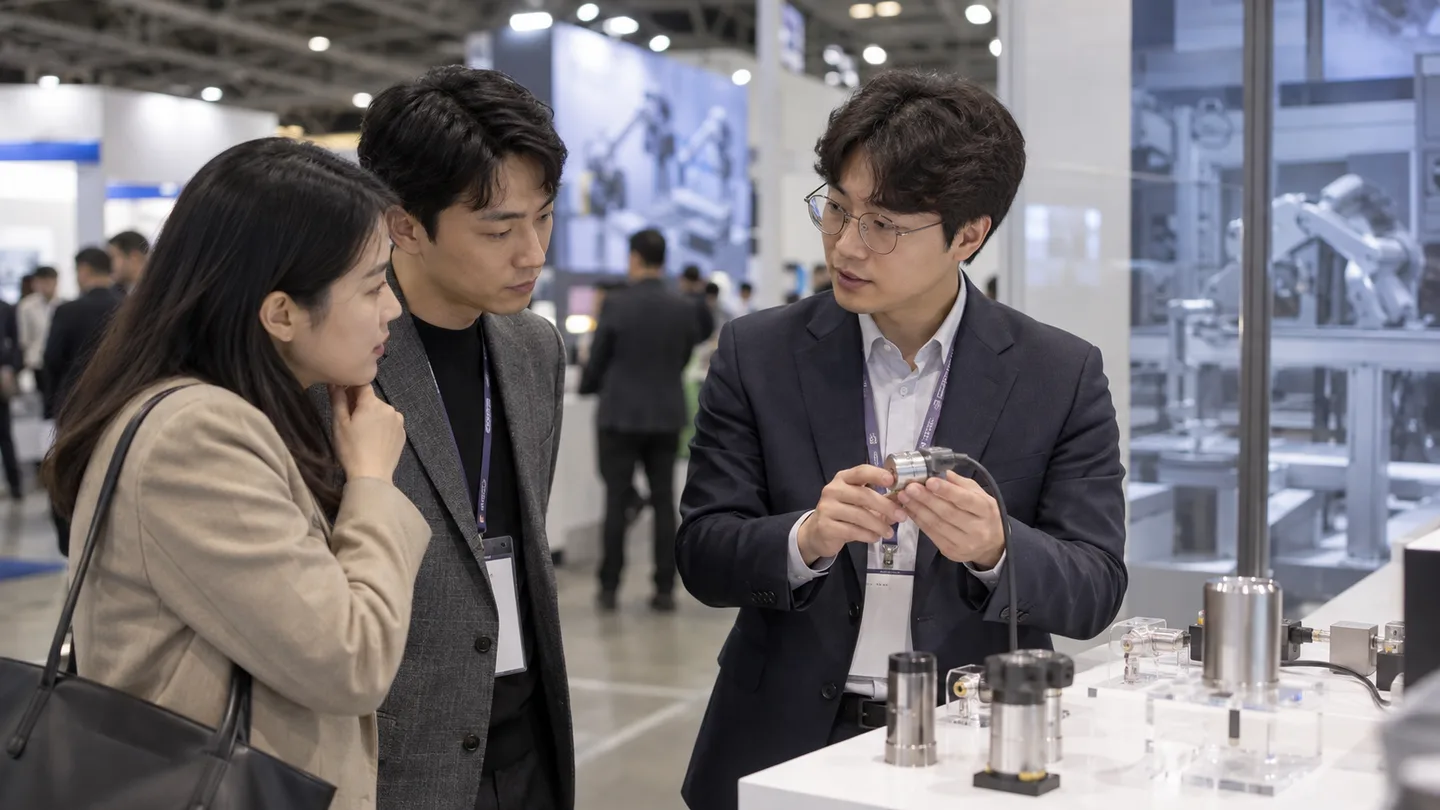
제품을 먼저 공개했거나 전시회·논문·유튜브·SNS·크라우드펀딩을 통해 기술내용이 외부에 알려진 뒤 “이제라도 특허를 낼 수 있나요?”라고 묻는 경우가 있습니다. 한국 특허법에는 일정한 자기공개에 대해 신규성 상실의 예외를 인정하는 제도가 있지만, 이를 “공개 후 12개월 동안은 언제든 안전하다”는 뜻으로 이해하면 위험합니다.
현행 특허법 제30조는 특허를 받을 수 있는 권리를 가진 자의 발명이 일정한 방식으로 공지 등이 된 경우, 그 날부터 12개월 이내에 특허출원하면 제29조의 신규성·진보성 판단에서 해당 공개를 예외적으로 배제할 수 있도록 규정하고 있습니다. 다만 적용요건과 절차를 충족해야 하고, 해외 국가의 규칙은 별도로 확인해야 합니다.
공식 조문: 국가법령정보센터 특허법 제30조
핵심 결론: 한국에서는 일정한 자기공개 후 12개월 이내 출원이라면 공지예외를 검토할 수 있습니다. 그러나 공개일·공개내용·공개 주체를 입증해야 할 수 있고, 해외에서는 같은 예외가 인정되지 않을 수 있으므로 가능하면 공개 전에 출원하는 것이 가장 안전합니다.
어떤 공개가 신규성 문제를 만들 수 있나요?
특허에서 말하는 공개는 논문이나 특허문헌만을 뜻하지 않습니다. 불특정 또는 다수인이 기술내용을 알 수 있는 상태가 되었다면 다양한 형태의 공개가 문제가 될 수 있습니다.
- 제품 출시·판매 또는 공개 시연
- 전시회 부스, 브로슈어, 카탈로그
- 학회 발표, 논문, 학위논문
- 회사 홈페이지와 보도자료
- 유튜브 영상, 블로그, SNS 게시물
- 크라우드펀딩 상세페이지
- 다운로드 가능한 설명서·사용자 매뉴얼
- 비밀유지의무가 없는 투자자·협력사 미팅
중요한 것은 “무언가를 보여줬다”는 사실 자체보다 그 자료를 통해 통상의 기술자가 발명의 구성을 파악할 수 있었는지입니다. 제품명만 공개한 경우와 내부 구조·작동원리·알고리즘 흐름까지 구체적으로 공개한 경우의 영향은 다를 수 있습니다.
12개월은 무엇을 의미하나요?
특허법 제30조 제1항은 일정한 공개가 있었던 날부터 12개월 이내 출원하면 공지예외를 적용할 수 있는 구조를 두고 있습니다. 따라서 공개일을 잘못 특정하면 12개월 계산 자체가 달라질 수 있습니다.
예를 들어 제품이 3월 2일 전시회에서 처음 시연되었고, 회사 홈페이지에는 3월 10일에 소개되었으며, 유튜브 영상은 3월 15일 공개되었다면 가장 이른 공개가 무엇인지부터 확인해야 합니다. 공개 자료마다 기술내용이 다르면 각 공개가 어느 청구항에 영향을 주는지도 따져봐야 합니다.
12개월은 유예기간이지 마케팅 우선권이 아닙니다. 공개와 출원 사이에 제3자의 별도 공개나 출원이 생길 수 있고, 해외 권리화는 한국과 다른 규칙을 적용할 수 있습니다.
이미 공개했다면 가장 먼저 무엇을 해야 하나요?
공개 사실을 숨기거나 기억에 의존하기보다, 즉시 공개 타임라인과 증거 묶음을 만드는 것이 좋습니다.
- 최초 공개일을 특정합니다.
- 공개한 자료의 원본을 보존합니다.
- 누가 공개했는지 확인합니다.
- 누구에게 공개했는지와 비밀유지의무 여부를 확인합니다.
- 공개된 기술내용과 현재 출원하려는 발명을 비교합니다.
- 한국 출원뿐 아니라 해외출원 계획을 함께 확인합니다.
웹페이지라면 URL, 게시일, 캡처, 원본 이미지·영상, 관리자 기록 등을 남겨두는 것이 좋습니다. 전시회라면 참가 일정, 부스 사진, 배포자료, 발표 슬라이드, 시연 영상이 도움이 될 수 있습니다.
출원서에 무엇을 표시하고, 증명서류는 언제 내야 하나요?
한국에 일반적인 국내출원을 하면서 자신의 공개에 대한 공지예외를 적용받으려면, 원칙적으로 출원서에 공지예외 적용 취지를 표시하고 출원일부터 30일 이내에 증명서류를 제출해야 합니다. 공개일부터 12개월이라는 출원 기한과 출원 후 30일이라는 서류 기한은 서로 다른 일정입니다. 출원만 접수해 두고 공개 사실에 관한 절차를 자동으로 처리된 것으로 생각하면 안 됩니다.
누락했더라도 법이 정한 보정 가능 기간 등에는 보완수수료와 함께 보완할 수 있는 경우가 있습니다. 그러나 “나중에 언제든 추가하면 된다”는 제도는 아닙니다. 이미 출원한 사건이라면 현재 심사 단계와 등록 진행 여부를 확인해 보완 가능성을 판단해야 합니다. PCT를 거쳐 한국에 진입하는 경우에는 제출 시점에 특칙이 있으므로 국내 직접출원의 30일 계산을 그대로 적용하지 않습니다. 지식재산처 공지예외주장 안내
실무적으로는 출원 의뢰 시 ‘공개가 있었다’는 설명만 보내지 말고, 아래 세 묶음을 함께 전달하는 것이 좋습니다.
- 시점 자료: 게시일·배포일·전시일을 확인할 수 있는 기록
- 내용 자료: 그 날짜에 실제로 보인 영상·사진·문서의 원본
- 관계 자료: 발명자, 공개자, 출원인 사이의 관계와 권리승계 자료
예를 들어 회사 직원이 발표했고 출원인은 회사라면 발표자의 이름만 적는 것으로 끝내지 말고, 어떤 직무로 어떤 기술을 공개했는지 설명할 수 있어야 합니다. 공동개발이라면 누가 특허를 받을 권리를 보유하는지 자체가 별도 쟁점이 될 수 있습니다.
본인이 공개한 경우와 무단 유출은 같은 절차인가요?
특허법 제30조는 권리자가 공개한 경우와 권리자의 의사에 반하여 공개된 경우를 나누고 있습니다. 자신의 홈페이지 게시와 협력사의 무단 유출을 같은 사유로 적어 처리할 수는 없습니다. 무단 유출에서는 비밀유지 의무, 제공 경위, 유출 사실과 의사에 반한 공개라는 점을 입증할 자료가 중요합니다.
또한 조약이나 법률에 따른 국내외 특허출원 공개·등록공고는 일반적인 자기공개 예외에서 제외됩니다. 이미 공개된 자신의 특허문헌이라도 무조건 같은 제도로 해결된다고 가정해서는 안 됩니다. 특허법 제30조
공개를 여러 번 했다면 ‘첫 날짜’만 적으면 될까요?
전시회, 홈페이지, 유튜브에서 공개했다면 공개행위별 목록을 먼저 만드세요. 최초 날짜는 출원 일정 관리에 중요하고, 각 공개자료의 내용은 청구항 검토에 중요합니다. 뒤에 올린 영상이 첫 브로슈어보다 더 자세한 구조를 보여주었다면 두 자료를 하나로 취급하기 어렵습니다. 여러 공개가 법적으로 어떻게 연결되는지는 별도로 판단하되, 의뢰인이 임의로 일부 기록을 빼지는 않는 것이 좋습니다.
| 공개 기록에 적을 항목 | 구체적인 작성 예 |
|---|---|
| 공개 시점 | 행사 시작일, 웹 게시일, 자료 배포일을 구분 |
| 공개한 내용 | 제품 외형, 내부구조, 제어순서 등 기술요소 |
| 공개한 사람 | 회사, 발명자, 협력사 또는 제3자 |
| 접근한 사람 | 일반 방문객, 계약 상대방, 비밀유지 의무자 |
| 원본 위치 | 영상 파일, 배포 PDF, 게시 기록의 보관 위치 |
이 표는 증명서류를 대체하는 법정 서식이 아니라 빠뜨린 사실을 찾기 위한 준비자료입니다.
공지예외가 인정되면 특허 등록과 사업 실시도 보장되나요?
그렇지 않습니다. 공지예외는 특정 공개를 신규성·진보성 판단에서 제외하는 문제이고, 출원일을 공개일로 앞당기는 제도가 아닙니다. 따라서 공개 전에 존재했던 다른 선행기술, 명세서의 기재, 청구항의 적절성 등은 여전히 검토해야 합니다. 공개 후 12개월 이내라는 사실 하나로 등록 가능성을 계산할 수 없습니다.
자신의 특허를 받을 수 있는지와 타인의 특허를 침해하지 않고 제품을 팔 수 있는지도 다른 질문입니다. 출원 검토와 별도로 경쟁제품·경쟁사 권리의 검토가 필요할 수 있습니다. 이 글의 센서 장치 예시에서도 공지예외 검토는 자신의 브로슈어 문제를 다루는 것이며, 다른 회사가 보유한 센서 관련 권리까지 없애 주지는 않습니다.
전시회에서 공개한 경우
전시회는 공개일을 특정하기 비교적 쉽지만, 실제로 무엇이 공개되었는지가 중요합니다. 부스에 제품이 있었더라도 내부 구조가 보이지 않았는지, 브로슈어에 핵심 기술이 설명되었는지, 발표에서 동작원리를 설명했는지에 따라 분석이 달라질 수 있습니다.
가능하면 다음 자료를 확보해 두는 것이 좋습니다.
- 전시회 공식 일정과 참가내역
- 배포한 카탈로그·브로슈어
- 부스·제품 사진과 촬영일시
- 발표 슬라이드와 데모 영상
- 공개된 제품 버전
- 전시 전후 홈페이지·보도자료 게시기록
유튜브·SNS도 특허 공개가 될 수 있나요?
인터넷에 누구나 접근할 수 있는 형태로 기술내용을 올렸다면 공개로 평가될 가능성이 있습니다. 영상이 나중에 삭제되었더라도 최초 게시일과 공개 내용이 다른 자료로 확인될 수 있습니다.
특히 개발자가 구조를 자세히 설명하는 영상, 제품 분해영상, 내부 제어방식을 보여주는 데모, 알고리즘 처리과정을 화면에 제시하는 콘텐츠는 단순 홍보문구보다 직접적인 영향을 줄 수 있습니다.
따라서 콘텐츠 제작 완료일이 아니라 실제 공개 예정일 전에 출원 검토가 끝났는지를 확인해야 합니다.
크라우드펀딩은 왜 특히 조심해야 하나요?
크라우드펀딩 페이지는 제품의 문제 해결 방식, 구조, 기능, 비교표, 시제품 영상까지 자세히 보여주는 경우가 많습니다. “시장 반응을 본 뒤 특허를 내자”는 순서는 한국의 공지예외만 보면 구제 가능성이 남을 수 있지만, 해외진출을 고려하면 선택지가 좁아질 수 있습니다.
사업팀과 특허 담당자는 펀딩 페이지 오픈일을 제품 출시일처럼 관리하고, 가능하면 그 전에 핵심 발명에 대한 출원 여부를 결정하는 편이 안전합니다.
NDA가 있으면 항상 비공개인가요?
상대방에게 명확한 비밀유지의무가 있다면 공개 여부 판단에서 중요한 요소가 됩니다. 하지만 “투자자에게만 보여줬다”, “회의자료였으니 당연히 비밀이다”라고 단정하면 안 됩니다.
NDA의 존재, 계약 범위, 참석자, 자료 배포대상, 비밀표시, 자료 회수·삭제 여부 등 실제 상황을 함께 봐야 합니다. 오픈 피칭이나 다수 참석자 대상 발표라면 별도 검토가 필요합니다.
공개한 버전과 출원하려는 발명이 조금 다르면요?
공개 이후 기술이 개선되었다면 “한 번 공개했으니 모두 끝났다”거나 “개선되었으니 모두 새 발명이다”라고 단정하기보다 청구항별로 공개된 구성과 새로 추가된 구성을 비교해야 합니다.
예를 들어 공개 당시 A+B 구조만 알려졌고 이후 핵심 제어방식 C가 새로 개발되었다면, A+B+C 청구항과 A+B만 포함한 청구항의 신규성 판단은 달라질 수 있습니다. 개선사항이 최초 공개자료에 정말 없었는지, 독립적인 기술적 의미가 있는지도 확인해야 합니다.
해외출원에도 한국의 12개월 예외가 그대로 적용되나요?
그렇지 않습니다. 각 국가·지역의 신규성 상실 예외는 범위, 기간, 인정되는 공개 유형, 절차가 서로 다릅니다. 한국에서 특허법 제30조를 적용받을 수 있다는 사실만으로 모든 해외출원이 안전해지는 것은 아닙니다.
따라서 해외사업 가능성이 있는 발명은 다음 순서가 기본적으로 안전합니다.
- 공개 예정일을 확인합니다.
- 공개 전에 핵심 발명을 먼저 출원합니다.
- 최초 출원 후 우선권기간 안에서 PCT·개별국 출원전략을 정합니다.
- 이미 공개했다면 목표국별 공지예외 제도를 별도로 확인합니다.
가상사례: 전시회에서 시제품을 먼저 공개한 스타트업
A사는 4월 1일 산업전시회에서 센서 기반 안전장치를 시연했고, 그 과정에서 센서 배치와 경보 로직을 설명하는 브로슈어를 배포했습니다. 6월에 성능개선 후 특허출원을 준비하면서 4월 전시회 공개 사실을 뒤늦게 확인했습니다.
이 경우 한국 출원에서는 4월 1일 공개가 특허법 제30조의 적용대상이 되는지, 브로슈어에 실제로 어떤 기술이 공개되었는지, 현재 출원하려는 개선기술이 어디까지 동일한지를 확인해야 합니다. 동시에 미국·유럽·중국·일본 등 목표시장이 있다면 각국 규칙을 별도로 검토해야 합니다.
핵심은 “아직 12개월이 안 지났으니 괜찮다”가 아니라 공개 범위와 증거, 한국 절차, 해외 권리화 가능성을 한 번에 정리하는 것입니다.
SKY 실무 관점: 공개 전에 출원하는 흐름을 회사 프로세스로 만드세요
공지예외 제도는 이미 공개가 일어난 경우 중요한 안전장치가 될 수 있지만, 처음부터 이를 전제로 사업일정을 짜는 것은 권장하기 어렵습니다. 마케팅, 논문, 전시, 투자, 펀딩, 고객 데모 일정 앞에 간단한 IP 체크포인트를 두는 것이 좋습니다.
| 공개 이벤트 | 사전 IP 체크 |
|---|---|
| 전시회·데모데이 | 출품기술 중 핵심 발명 식별, 출원 여부 확인 |
| 논문·학회발표 | 초록·포스터·발표자료 공개일 확인 |
| 유튜브·SNS | 영상에 구조·작동원리가 노출되는지 확인 |
| 크라우드펀딩 | 상세페이지 오픈 전에 핵심 발명 출원 검토 |
| 투자·공동개발 | NDA와 자료배포 범위, 권리귀속 확인 |
이미 공개했다면 지금 할 일
- 공개일·공개주체·공개자료를 모읍니다.
- 공개자료와 현재 발명을 기술요소별로 비교합니다.
- 한국 특허법 제30조 적용 가능성과 필요한 절차를 확인합니다.
- 목표 해외국가의 grace period를 별도로 확인합니다.
- 추가 공개를 잠시 통제하고 가능한 출원 일정을 바로 정합니다.
신규성 상실의 예외는 “공개해도 되는 제도”라기보다 이미 일어난 공개가 특허 가능성을 모두 없애지 않도록 하는 예외제도로 이해하는 편이 정확합니다. 공개가 예정되어 있다면 가장 안전한 기본값은 여전히 공개 전에 출원입니다.
관련 서비스
공개 시점과 출원 전략을 함께 검토하려면 SKY 특허 출원·전략 안내를 확인하세요.
English Version
Can You Still File a Korean Patent After Public Disclosure?
If a product, paper, video, exhibition material, crowdfunding page, or other technical information has already been made public, a Korean patent application may still be possible in some cases. Article 30 of the Korean Patent Act provides a 12-month grace period for certain disclosures connected to the person entitled to obtain the patent, but the rule should not be understood as a blanket permission to disclose first and file later.
Under the current statute, where the applicable requirements are met, an invention disclosed in the specified circumstances may be treated as if that disclosure did not destroy novelty or inventive step, provided the patent application is filed within 12 months from the relevant disclosure date.
Official statute: Korean Patent Act, Article 30
Core point: Korea may provide a 12-month grace period for qualifying disclosures, but applicants may still need to prove the date, content and source of the disclosure. Foreign jurisdictions may apply different rules. Filing before public disclosure remains the safest default.
What kinds of disclosure can create a novelty problem?
Patent disclosure is not limited to journal articles or patent publications. Depending on the facts, public availability can arise through:
- product launch, sale, or public demonstration;
- exhibitions, brochures, and catalogs;
- conference presentations, papers, and theses;
- company websites and press releases;
- YouTube, blogs, and social media;
- crowdfunding pages;
- downloadable manuals or technical documentation;
- meetings where recipients have no confidentiality obligation.
The key question is not simply whether the public saw the product. The analysis asks what technical information became available and whether a skilled person could understand the relevant features from that information.
What does the 12-month period mean?
Article 30 uses the date of the relevant disclosure as the starting point. Identifying the earliest relevant disclosure is therefore important.
For example, a product might first be demonstrated at an exhibition on March 2, described on the company website on March 10, and shown in a technical video on March 15. Those disclosures may contain different amounts of information, so the analysis should identify both the dates and the subject matter disclosed.
The 12 months are a grace period, not a marketing priority right. A third party may make an intervening disclosure or file its own application, and foreign jurisdictions may not recognize the same exception.
What should you do immediately after discovering an earlier disclosure?
Create a disclosure timeline and evidence package.
- Identify the earliest disclosure date.
- Preserve the original materials.
- Identify who made the disclosure.
- Identify the audience and any confidentiality obligation.
- Compare the disclosed technical features with the invention now being filed.
- Review both Korean and foreign filing plans.
For websites or social media, preserve URLs, posting dates, screenshots, original files and platform records. For exhibitions, retain official schedules, booth photographs, distributed brochures, slides, and demo videos.
How do you claim the exception and submit evidence?
For an ordinary Korean domestic filing based on the entitled person’s own disclosure, the default procedure is to indicate the grace-period claim in the application and submit supporting evidence within 30 days of filing. This is a separate deadline from the 12-month period measured from disclosure. Filing the application does not by itself complete the evidence procedure.
Certain omissions can be remedied, with the prescribed fee, during statutory supplementary periods. Availability depends on the application’s procedural stage. PCT national-phase cases have special timing rules; do not mechanically apply the direct-filing calculation. See the Korean IP Office’s grace-period guidance.
As a practical preparation method, organize three evidence groups: records of the date, originals showing the disclosed content, and records connecting the inventor, discloser and applicant. An employee’s presentation should be linked to the relevant technology and employment context. Joint development may also require a separate ownership assessment.
Own disclosure, unauthorized disclosure and patent publication
A voluntary company publication and an unauthorized leak are different factual categories. For a leak, preserve confidentiality obligations, the circumstances in which information was supplied and evidence of the unauthorized disclosure.
Publication of patent applications or grants under legislation or treaties is excluded from the ordinary own-disclosure limb. Do not assume that any patent document bearing your name can be neutralized using the same exception. See Patent Act Article 30.
Record every disclosure event
Create separate entries for exhibitions, website posts and videos. The earliest date matters for scheduling; the content of each disclosure matters for claim analysis. A later video may disclose an internal mechanism absent from an earlier brochure. Let the adviser assess the relationship between events rather than omitting records yourself.
| Record | Useful detail |
|---|---|
| Timing | Event opening, publication and distribution dates |
| Content | Appearance, internal components and control sequence |
| Discloser | Company, inventor, partner or third party |
| Audience | Public visitors or persons subject to confidentiality |
| Originals | Location of videos, PDFs and publication records |
This is a preparation worksheet, not a substitute for legally required evidence.
Does the exception guarantee a patent or freedom to sell?
No. The exception concerns the treatment of a particular disclosure in novelty and inventive-step assessment; it does not move the filing date back to the disclosure date. Other prior art, adequate disclosure and claim drafting still require review.
Patentability and freedom to operate are also different questions. In the sensor example, addressing the applicant’s brochure does not eliminate another company’s sensor patents. A business may need both a filing assessment and a separate review of relevant third-party rights.
Exhibition disclosure
An exhibition may make the date relatively easy to identify, but the content of the disclosure is still critical. A displayed product may reveal only its external appearance, while a brochure or live explanation may disclose internal structure or operating principles.
Evidence should therefore show not only that the event occurred, but also what version of the product was shown and what supporting materials were distributed.
YouTube and social media
Technical information made publicly accessible online can potentially qualify as prior disclosure. Deleting a video later does not necessarily erase evidence of the original posting.
A developer interview explaining the internal structure, a teardown video, a technical demonstration, or a screen recording showing algorithmic processing can be more significant than general advertising language. Patent review should therefore be tied to the publication date, not merely the date the marketing content was produced.
Crowdfunding risk
Crowdfunding pages often contain detailed explanations of the problem, product structure, features, comparisons, drawings and videos. Waiting to see whether a campaign succeeds before considering patent filing may leave fewer foreign filing options.
A practical workflow is to treat the crowdfunding launch date as a hard IP checkpoint and decide before launch whether the core invention should be filed.
Does an NDA always make the disclosure private?
A clear confidentiality obligation can be highly relevant, but companies should not assume that every investor or partner discussion is automatically confidential.
The NDA wording, scope, attendees, document distribution, confidentiality markings and return or deletion practices may all matter. Open pitch events and public demonstrations should be reviewed separately.
What if the invention improved after the disclosure?
Compare the public material and the later invention feature by feature and claim by claim.
If the public version disclosed A+B and the team later developed an important control feature C, a claim to A+B+C may raise a different novelty issue from a claim to A+B alone. The fact that the product was upgraded does not automatically make the entire invention new, and an earlier public version does not automatically destroy every later improvement.
Does Korea’s 12-month rule automatically protect foreign filings?
No. Grace-period rules differ by country and region in scope, duration, qualifying disclosures and procedure. A disclosure that may be excused in Korea may still create difficulties elsewhere.
For inventions with international potential, a safer sequence is:
- identify the intended public disclosure date;
- file the core invention before that date where possible;
- use the priority period to plan PCT or direct foreign filings;
- if disclosure already occurred, analyze the grace-period rules in each target jurisdiction.
Example: startup discloses a prototype at an exhibition
Company A demonstrates a sensor-based safety device at an exhibition on April 1 and distributes a brochure describing sensor placement and alarm logic. In June, after further development, the company prepares a patent application and realizes that the April disclosure occurred first.
The Korean analysis should identify what the brochure and demonstration actually disclosed, whether Article 30 can apply, and how the later improvement differs from the earlier public version. If the company also wants protection in the United States, Europe, China or Japan, each jurisdiction must be reviewed separately.
The correct question is not merely “Are we still within 12 months?” It is what was disclosed, when, by whom, what evidence exists, and which countries still matter.
SKY practice perspective: put an IP checkpoint before every public event
The grace period can be a valuable safety net, but it is better used as an exception than as the standard business process. Companies should place a simple IP review before exhibitions, publications, videos, crowdfunding campaigns, investor events and customer demos.
| Public event | Pre-disclosure IP check |
|---|---|
| Exhibition or demo day | identify core inventions and filing status |
| Paper or conference | confirm abstract, poster and presentation dates |
| YouTube or social media | check whether structure or operation is revealed |
| Crowdfunding | review core invention before the page goes live |
| Investment or joint development | confirm NDA, distribution scope and ownership |
Actions after disclosure
- Collect the disclosure date, source and original materials.
- Compare the public material with the current invention.
- Review Article 30 requirements and procedures in Korea.
- Check grace-period rules separately in each target country.
- Control further disclosure and set the earliest practical filing schedule.
The Korean novelty grace period is best understood as an exception that may preserve patentability after an accidental or necessary disclosure, not as a general license to publish first. Whenever possible, file before public disclosure.
Related services
For help reviewing disclosure dates and filing strategy, see SKY patent services.