AI 기능을 기존 제품에 추가했는데 이것도 특허가 될까요? 단순 AI 적용과 특허 가능한 기술의 차이
AI를 사용했다는 사실만으로 진보성이 생기는 것은 아닙니다. 기존 제품에 공개된 AI 모델을 통상의 방식으로 붙인 정도라면 선행기술과의 차별성이 부족할 수 있습니다. 이 글은 단순 제도 설명이 아니라 실제로 이 상황에 놓였을 때 무엇을 먼저 확인하고 어떤 선택지를 나눠 봐야 하는지 순서대로 설명합니다.

AI를 사용했다는 사실만으로 진보성이 생기는 것은 아닙니다. 기존 제품에 공개된 AI 모델을 통상의 방식으로 붙인 정도라면 선행기술과의 차별성이 부족할 수 있습니다. 이 글은 단순 제도 설명이 아니라 실제로 이 상황에 놓였을 때 무엇을 먼저 확인하고 어떤 선택지를 나눠 봐야 하는지 순서대로 설명합니다.
먼저 결론: 기존 제품과 AI 추가 후 제품을 기능 블록으로 나눠 비교하세요.
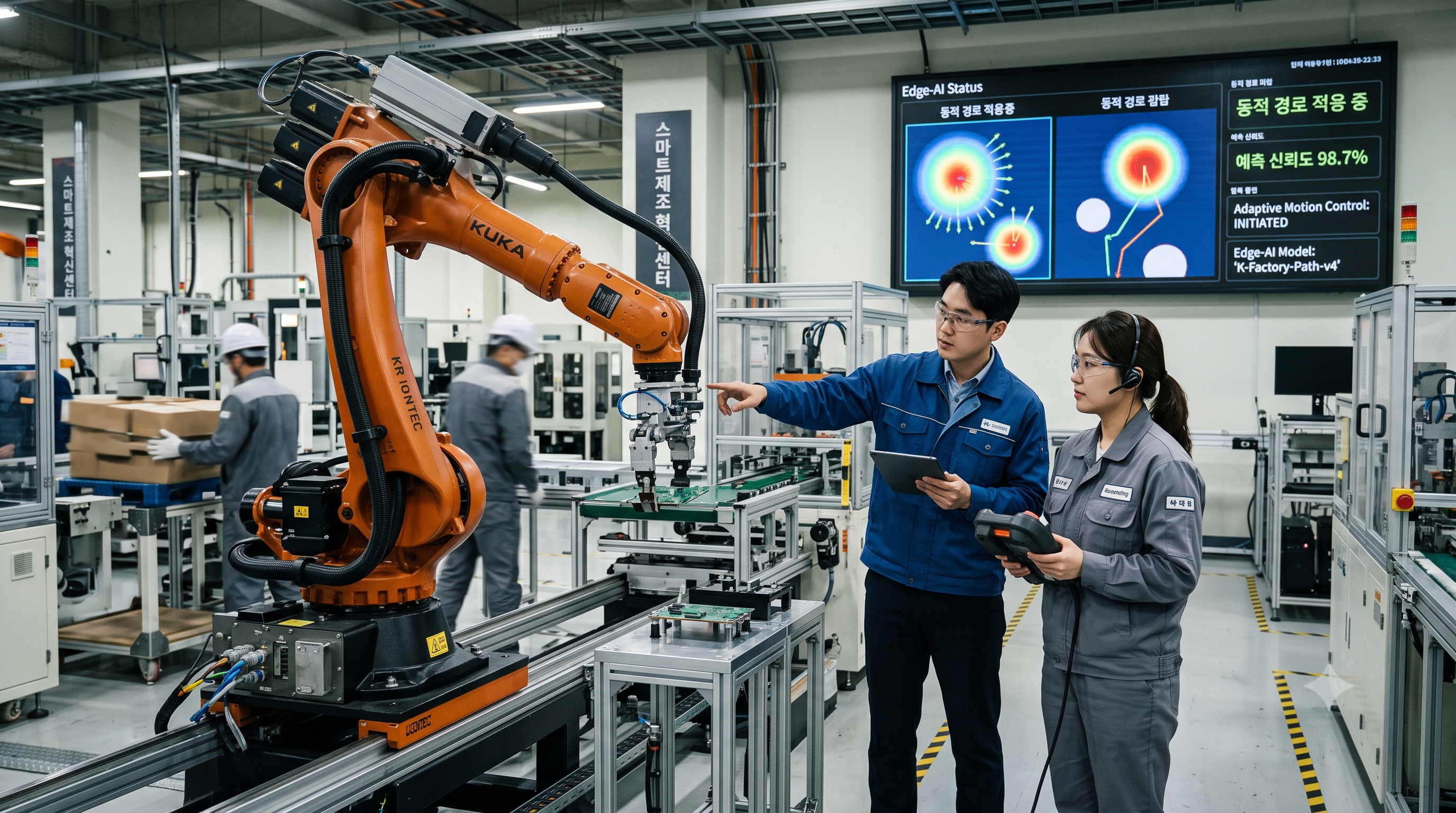
왜 이 문제가 실제로 자주 생길까요?
기존 카메라 장비에 객체인식 AI를 넣거나, 물류장비에 예측모델을 붙이거나, 앱에 생성형 AI 기능을 넣은 뒤 ‘AI니까 특허가 되겠지’라고 생각하는 경우가 많습니다. 반대로 ‘AI는 다 공개 모델을 쓰니 특허가 안 된다’고 단정하는 것도 맞지 않습니다.
같은 검색어로 들어온 사람이라도 세부 사실관계는 다릅니다. 따라서 하나의 짧은 문장으로 “된다/안 된다”라고 결론내리기보다, 현재 단계와 문서 상태, 날짜, 실제 사업 또는 신청 목적을 분리해서 보는 것이 중요합니다.
현재 공식 기준에서 먼저 볼 핵심
- AI를 사용했다는 사실만으로 진보성이 생기는 것은 아닙니다. 기존 제품에 공개된 AI 모델을 통상의 방식으로 붙인 정도라면 선행기술과의 차별성이 부족할 수 있습니다.
- 2026년 지식재산처 AI 심사실무가이드는 피지컬 AI·온디바이스 AI 등 최신 사례를 추가하면서, 공개 모델을 단순 경량화해 로봇에 탑재한 경우와 실제 환경·가용자원을 반영해 모델을 최적화한 경우를 구분하는 사례를 제시합니다.
- 특허 가능성을 높이는 핵심은 AI라는 명칭이 아니라 입력 데이터의 구성, 전처리, 모델 구조·학습 방식, 장치 자원 제약과의 연계, 출력에 따른 구체적 제어 및 기술적 효과 등에서 실질적 차이가 있는지입니다.
- 명세서에는 단순한 목표만 적기보다 해당 기술이 어떻게 구현되고 어떤 데이터·처리·제어 관계를 가지는지 충분히 설명해야 합니다.
이 기준은 서로 대체관계가 아니라 함께 확인해야 하는 체크포인트입니다. 특히 날짜가 중요한 제도는 “예전에 맞았던 정보”보다 실제 작성일 현재의 공식 페이지와 본인 문서의 날짜가 우선합니다.
상황을 3단계로 나누면 판단이 쉬워집니다
- 현재 상태 확인: 신청서·출원서·허가서·통지서 등 기준 문서를 열고 발급일, 제출일, 기한, 적용 범위를 확인합니다.
- 공식 요건과 대조: 현재 공식기관이 요구하는 조건과 본인 문서가 일치하는지 확인합니다.
- 다음 행동 분리: 지금 당장 고칠 수 있는 문제, 새 신청·추가 출원이 필요한 문제, 단순히 기다리며 모니터링할 문제를 구분합니다.
많이 하는 실수
청구항에 ‘AI가 판단한다’만 넣고 구체적 처리관계를 쓰지 않는 것, 모델 이름만 바꾸는 것, 사업적 편의만 설명하고 기술적 효과를 연결하지 않는 것, 제품 구조와 AI 처리의 상호작용을 명세서에 남기지 않는 것이 흔한 약점입니다.
온라인 커뮤니티의 한 사례가 본인에게 그대로 적용된다고 가정하는 것도 피해야 합니다. 같은 결과처럼 보여도 제출시점, 프로그램, 지정상품, 사용기반, 공개 범위 등 핵심 조건이 달라지면 판단이 달라질 수 있습니다.
실무적으로는 이렇게 정리하세요
기존 제품과 AI 추가 후 제품을 기능 블록으로 나눠 비교하세요. 데이터가 어떻게 달라졌는지, 모델이 어떤 제약을 해결하는지, 출력이 실제 장치나 프로세스를 어떻게 바꾸는지, 그 결과 성능·속도·정확도·자원사용·안전성이 어떻게 달라지는지를 발명 포인트 후보로 정리해야 합니다.
가능하면 관련 문서를 한 화면에 놓고 비교할 수 있도록 날짜와 핵심조건을 짧은 표로 정리해 두는 것이 좋습니다. 상담이 필요해지는 경우에도 이런 정리가 되어 있으면 쟁점을 훨씬 빠르게 파악할 수 있습니다.
공식자료를 확인할 때 주의할 점
검색결과의 짧은 문구나 오래된 블로그 캡처보다 현재 공식기관 페이지의 본문을 확인해야 합니다. 제도 변경이 잦은 분야는 페이지 수정일과 적용시점을 함께 보고, 본인 사건의 기준일과 비교해야 합니다.
마지막 체크
- 내가 가진 문서의 정확한 날짜와 상태를 확인했는가?
- 현재 공식 요건과 같은 용어를 쓰고 있는가?
- 예외나 제한조건을 빼고 결론만 받아들이고 있지는 않은가?
- 다음 행동의 기한을 달력에 표시했는가?
SKY Patent & Law Firm에서는 개별 사실관계를 바탕으로 현재 문서와 공식기준을 함께 검토해 다음 단계의 리스크를 정리할 수 있습니다.
2026년 AI 심사사례가 보여주는 실무적 차이
지식재산처가 2026년 공개한 AI 분야 심사실무가이드 사례는 “공개된 AI를 썼다”는 사실만으로는 부족할 수 있다는 점을 구체적으로 보여줍니다. 예를 들어 공개 모델을 알려진 방법으로 경량화해 로봇에 탑재한 경우와, 로봇이 실제로 움직이는 환경·가용 자원 등을 반영해 모델을 최적화한 경우는 평가가 달라질 수 있습니다. 결국 AI 자체보다 문제를 해결하기 위해 어떤 기술적 선택을 했는지가 중요합니다.
발명 포인트를 찾을 때 질문할 것
- 기존 제품에서 어떤 기술적 한계가 있었는가?
- AI 입력 데이터는 어떻게 수집·전처리되는가?
- 왜 그 모델 또는 학습 구조가 필요한가?
- 장치의 CPU·메모리·전력·통신 제한과 어떤 관계가 있는가?
- AI 출력이 실제 장치 제어 또는 처리순서를 어떻게 바꾸는가?
- 그 결과 지연시간·정확도·에너지·안전성 등이 어떻게 달라지는가?
명세서에는 ‘결과’뿐 아니라 ‘관계’를 남겨야 합니다
“AI가 불량을 예측한다”, “AI가 최적 경로를 계산한다”라는 문장만으로는 구현관계가 충분하지 않을 수 있습니다. 어떤 센서값을 받고, 어떤 특성을 추출하고, 어떤 모델이 어떤 조건에서 출력을 만들며, 그 출력이 후단 장치나 공정과 어떻게 연결되는지를 구조적으로 설명해야 합니다. 실험수치가 아직 없더라도 구현 가능한 기술관계는 구체적으로 남기는 것이 중요합니다.
출원 전 비교자료
개발팀의 기존 버전과 AI 적용 버전의 architecture diagram, 데이터 흐름, 성능 로그, 모델 경량화 방식, edge/cloud 분담 구조, 제어 로직 변경점을 모아두면 선행기술과 차이를 찾는 데 도움이 됩니다. ‘AI를 넣었다’가 아니라 ‘어떤 기술관계가 새로 생겼는가’를 자료로 보여줄 수 있어야 합니다.
판단 전에 문서를 이렇게 정리해 두면 좋습니다
실무에서는 기억에 의존해 상황을 설명하기보다 현재 가지고 있는 문서를 기준으로 사실관계를 고정하는 것이 먼저입니다. 신청·출원 당시의 원본, 이후 받은 통지나 결과, 현재 상태를 보여주는 화면, 그리고 다음 단계의 예정일을 한 번에 볼 수 있게 정리하면 불필요한 추측을 줄일 수 있습니다. 날짜가 중요한 제도에서는 하루 차이도 의미가 있을 수 있으므로 ‘대략 몇 달 전’보다 실제 발급일·출원일·제출일을 확인하는 편이 안전합니다.
1페이지 타임라인에 넣을 항목
- 최초 신청·출원 또는 발급일
- 중요한 후속 통지·변경일
- 현재 유효기간·답변기한·공개예정일
- 이미 제출하거나 공개한 자료의 범위
- 다음 단계에서 달성하려는 목표
이렇게 정리한 뒤에야 ‘지금 가진 권리나 신분이 어디까지 유효한가’, ‘현재 절차 안에서 해결할 수 있는가’, ‘새 신청이나 추가 출원이 필요한가’를 정확히 나눌 수 있습니다. 특히 여러 문서가 연결되는 사건은 하나만 따로 보면 결론을 잘못 낼 수 있습니다.
전문가 검토가 특히 필요한 시점
모든 사건에 대리인이 필요한 것은 아닙니다. 다만 기한이 임박했거나, 이미 거절·거절이유·만료 문제가 발생했거나, 여러 국가 또는 여러 절차가 연결되어 있거나, 한 번의 선택이 이후 권리·신분에 영향을 줄 수 있다면 문서 전체를 함께 검토하는 것이 효율적일 수 있습니다. 이때 목표는 ‘무조건 진행’이 아니라 가능한 선택지와 각 선택의 리스크를 비교하는 것입니다.
좋은 검토는 결론만 말하지 않습니다. 어떤 사실이 결론을 바꾸는지, 어떤 자료가 더 필요한지, 어느 시점까지 무엇을 해야 하는지까지 연결해야 합니다. 사용자는 그 구조를 이해한 뒤 자신의 일정과 비용, 사업 또는 이민 계획에 맞춰 다음 행동을 결정할 수 있습니다.
공식 근거
English Version
We Added AI to an Existing Product. When Is It More Than a Routine AI Application for Patent Purposes?
This issue should be analyzed from the applicant’s or business owner’s actual procedural position, not from a generic yes-or-no rule. The practical question is what document controls, what date matters, which official requirement applies, and whether the next step is an amendment, a new filing, a status inquiry, or simply continued monitoring.
Why this situation causes confusion
Companies often add object detection, prediction, generative AI, or other models to an existing product and assume that the word ‘AI’ itself creates patentability. The opposite assumption—that nothing using a public model can be patented—is also too simplistic.
Two people can search the same phrase and still need different answers because their filing dates, document status, program, goods or services, use history, and procedural stage may be different. The first task is therefore to identify the exact document and timeline that govern the case.
Key rules to verify
- Using AI by itself does not automatically establish inventive step. A routine application of a known model to a known product may remain close to the prior art.
- Korea’s 2026 AI examination practice guide includes updated examples involving physical AI and on-device AI and distinguishes routine model reduction from optimization tied to the actual operating environment and resource constraints.
- Potentially meaningful distinctions may arise from input-data design, preprocessing, model architecture or training, device-resource constraints, the interaction between the AI output and physical control, and a concrete technical effect.
- The specification should explain implementation relationships in sufficient detail rather than merely stating a desired result such as ‘AI determines’ or ‘AI optimizes.’
A practical three-step review
- Confirm the current record. Review the actual application, permit, assessment, office action, filing receipt, or registration and note its dates and scope.
- Match it against the current official rule. Use the current government or IP-office page, not an old screenshot or a third-party summary.
- Separate the available options. Distinguish what can still be corrected in the current proceeding, what requires a new filing, and what simply requires waiting or monitoring.
Common mistakes
Weak applications often add the label ‘AI’ without defining the technical processing, change only the model name, describe a business benefit without connecting it to a technical effect, or fail to describe how the model and the product architecture interact.
Another frequent mistake is assuming that a result reported in an online forum automatically applies to a different case. Small differences in dates, filing basis, program eligibility, designated goods, disclosure history, or permit conditions can change the analysis.
What to do now
Break the pre-AI product and the AI-enabled product into functional blocks. Identify what changed in the data, model, hardware constraints, control logic, performance, accuracy, latency, resource use, or safety. Those concrete differences are better candidates for claim development than the generic fact that AI was used.
Prepare a short timeline and a one-page list of the controlling documents. This makes it easier to identify the actual issue and reduces the chance of creating a second problem while trying to fix the first one.
Final check
- Have you confirmed the exact date and current status of the controlling document?
- Are you relying on the current official rule?
- Have you checked exceptions and limitations instead of relying only on a headline rule?
- Have you recorded the next deadline or review date?
SKY Patent & Law Firm can review the relevant documents and official requirements together and help organize the next-step options based on the actual facts.
What the 2026 Korean AI examination examples illustrate
The updated AI examination examples make the practical distinction clearer: merely taking a public model and applying a conventional reduction technique may be viewed differently from an implementation optimized for the robot’s actual environment and available resources. The patent question is therefore not “Did we use AI?” but “What technical choices were made to solve the specific problem?”
Questions for identifying claimable technical features
- What technical limitation existed in the prior product?
- How are input data collected and preprocessed?
- Why is the particular model or training structure needed?
- How do CPU, memory, power, or communications constraints affect the implementation?
- How does the AI output change physical control or downstream processing?
- What changes in latency, accuracy, resource use, reliability, or safety result?
Describe technical relationships, not only desired outcomes
Statements such as “AI predicts defects” or “AI calculates an optimal route” may leave critical implementation relationships undefined. A stronger specification explains the input, feature processing, model operation, output conditions, and how the output interacts with the device or process.
Organize the record before making a decision
In practice, it is safer to fix the facts by reference to the actual documents rather than relying on memory. Put the original application or filing, later notices or decisions, the current status record, and the next relevant date on one page. Where a rule is date-sensitive, the exact issue date, filing date, submission date, or disclosure date is more useful than an approximate recollection.
A one-page timeline should include
- The original filing, application, or issue date
- Important later notices or changes
- The current expiry date, response deadline, or planned disclosure date
- What has already been submitted or publicly disclosed
- The objective of the next step
Only after the timeline is clear should the options be separated into what remains valid now, what can still be handled in the current proceeding, and what requires a new application or filing. Matters involving several linked documents are especially easy to misread when only one record is reviewed in isolation.
When a professional review becomes particularly useful
Not every matter requires professional representation. A coordinated review becomes more valuable, however, when a deadline is close, a refusal or expiry issue has already arisen, several countries or procedures are connected, or one procedural choice could materially affect later rights or status. The purpose should be to compare available options and risks, not simply to push one predetermined course of action.
A useful review identifies the facts that could change the conclusion, the evidence that is still missing, and the date by which the next action must be taken. That structure allows the applicant or business owner to make an informed decision based on timing, cost, and long-term objectives.