공동개발한 기술, 특허는 누구 이름으로 출원해야 하나요? 발명자·출원인·지분을 처음에 정해야 하는 이유
공동개발 프로젝트라고 해서 참여자 전원을 자동으로 발명자로 적거나, 계약서에 적힌 사업비 분담률대로 특허 지분을 나누는 것은 안전하지 않습니다. 발명자는 실제 기술적 창작에 누가 기여했는지 , 출원인은 특허를 받을 수 있는 권리를 누가 보유하거나 적법하게 승계했는지 , 공동출원 지분과 이후 권리행사는 계약을 어떻게 설계했는지 를 각각 나누어 확인해야 합니다. 세 가지를 한 번에 섞어 정하면 출원 단계뿐 아니라 등록 후 실시·라이선스·양도·분쟁 대응에서 문제가…
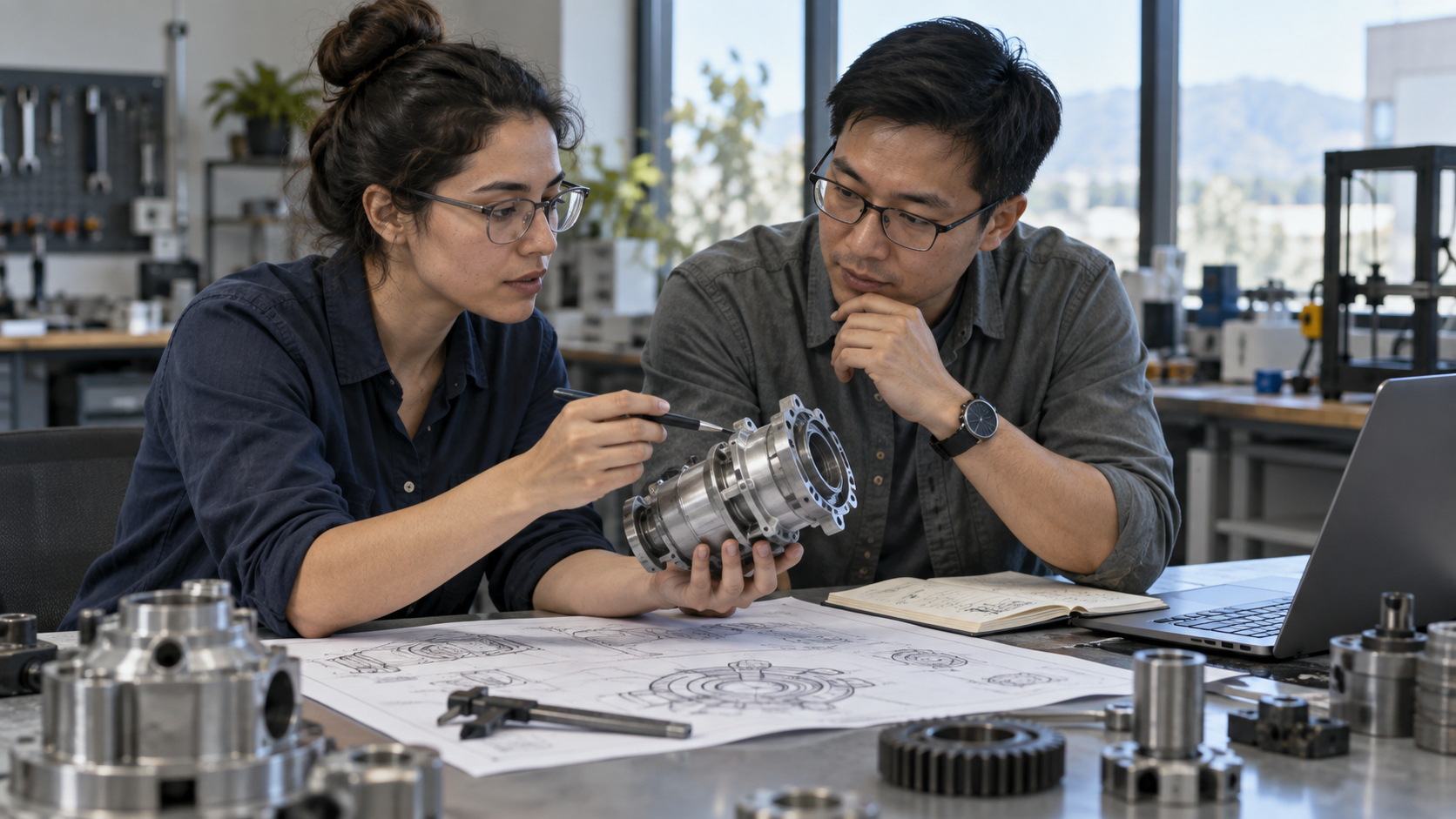
공동개발 프로젝트라고 해서 참여자 전원을 자동으로 발명자로 적거나, 계약서에 적힌 사업비 분담률대로 특허 지분을 나누는 것은 안전하지 않습니다. 발명자는 실제 기술적 창작에 누가 기여했는지, 출원인은 특허를 받을 수 있는 권리를 누가 보유하거나 적법하게 승계했는지, 공동출원 지분과 이후 권리행사는 계약을 어떻게 설계했는지를 각각 나누어 확인해야 합니다. 세 가지를 한 번에 섞어 정하면 출원 단계뿐 아니라 등록 후 실시·라이선스·양도·분쟁 대응에서 문제가 커질 수 있습니다.
특히 학생 팀, 교수·연구실과 기업의 산학협력, 스타트업 공동창업자, 외주개발사와 발주사, 두 회사가 함께 진행하는 R&D처럼 “같이 만들었다”는 표현이 자연스러운 프로젝트일수록 이 구분이 중요합니다. 특허법 제33조는 발명을 한 사람 또는 그 승계인에게 특허를 받을 수 있는 권리를 인정하고, 2명 이상이 공동으로 발명한 경우 그 권리를 공유하도록 규정합니다. 또 그 권리가 공유라면 특허법 제44조에 따라 공유자 모두가 공동으로 출원해야 합니다.
핵심 결론: 먼저 “누가 발명했는가”를 기술적 기여 기준으로 정리하고, 다음으로 그 권리가 회사·대학·공동사업체 등에 어떻게 승계되는지 확인한 뒤, 마지막으로 공동출원 지분과 비용·실시·라이선스·해외출원·분쟁 의사결정 규칙을 계약으로 맞추는 순서가 안전합니다.
가장 먼저 구분할 세 가지: 발명자, 출원인, 특허권 지분
공동개발에서 자주 생기는 첫 번째 오해는 발명자와 출원인을 같은 개념으로 보는 것입니다. 발명자는 기술적 아이디어의 창작에 실질적으로 기여한 사람을 가리키는 반면, 출원인은 특허를 받을 수 있는 권리를 가진 주체입니다. 발명자가 개인이어도 그 권리가 회사나 대학에 적법하게 승계되었다면 회사나 대학이 출원인이 될 수 있습니다.
두 번째 오해는 투자·자금·직급·프로젝트 관리가 곧 발명자 지위를 만든다고 생각하는 것입니다. 대표이사가 개발비를 부담했거나 교수가 연구과제를 총괄했거나 PM이 일정을 관리했다는 사실만으로는 그 사람이 모든 청구항의 공동발명자가 된다고 단정할 수 없습니다. 반대로 직급이 낮은 연구원이나 학생이라도 핵심 작동원리, 문제 해결 수단, 특정 구성의 결합 등에 창작적으로 기여했다면 발명자 판단에서 빠뜨리면 안 됩니다.
세 번째 오해는 지분율을 발명자 수로 기계적으로 나누는 것입니다. 공동발명 여부와 출원·특허권의 지분 설계는 연결되어 있지만 동일한 질문은 아닙니다. 실제 프로젝트에서는 권리 승계, 공동연구계약, 비용 부담, 실시 필요성, 향후 사업화 구조 등을 함께 검토해 지분과 관리 규칙을 정해야 합니다.
특허법상 공동출원이 중요한 이유
현재 특허법 제33조는 발명을 한 사람 또는 그 승계인이 특허를 받을 수 있는 권리를 가진다고 정하고, 공동발명이라면 그 권리를 공유한다고 규정합니다. 이어 제44조는 특허를 받을 수 있는 권리가 공유인 경우 공유자 모두가 공동으로 출원해야 한다고 정합니다.
이 규칙은 형식적인 서명 문제에 그치지 않습니다. 공동개발인데 실제 권리자 한 명을 누락하거나, 반대로 권리가 없는 주체를 출원인으로 넣으면 이후 권리귀속 문제가 커질 수 있습니다. 대법원도 2024년 12월 26일 판결에서 특허를 받을 수 있는 권리의 공유와 공동출원 규칙을 다시 확인하면서, 공유 관계에서 절차가 어떻게 작동하는지를 구체적으로 설명했습니다.
주의: “일단 한 회사 이름으로 먼저 출원하고 나중에 정리하자”는 접근은 위험할 수 있습니다. 출원 전후의 권리 승계와 출원인 변경에는 법적 효과와 절차가 따르므로, 실제 권리관계와 맞지 않는 출원 구조를 임시방편으로 만들기보다 출원 전에 권리 흐름을 확인하는 편이 좋습니다.
실제로 누가 공동발명자인지 어떻게 판단할까
공동발명자 판단은 “회의에 참석했는가”보다 특허로 보호하려는 발명의 구체적 기술내용을 만드는 데 어떤 창작적 기여를 했는가를 중심으로 보는 것이 실무적으로 중요합니다. 그래서 사람별 기여를 일반적인 직무 설명으로 적기보다, 청구항 후보와 핵심 기술요소에 연결해 기록하는 편이 좋습니다.
예를 들어 다음과 같이 질문할 수 있습니다.
- 해결하려던 기술적 문제를 누가 구체화했는가
- 핵심 작동원리나 알고리즘 구조를 누가 제안했는가
- 기존 방식과 다른 구성·공정·제어방법을 누가 만들었는가
- 단순 구현이나 지시 수행을 넘어 기술적 선택에 창작적으로 기여했는가
- 최종 청구항에 들어갈 핵심 요소가 누구의 제안이나 실험에서 나왔는가
- 개발 중 설계가 바뀌었다면 그 변경을 만든 사람이 누구인가
이렇게 보면 “아이디어를 처음 말한 사람”과 “특허상 공동발명자”가 반드시 같지 않을 수 있습니다. 반대로 한 사람이 전체 제품을 설계하지 않았더라도 특허의 핵심 구성 하나를 창작적으로 제안해 최종 발명에 실질적으로 결합시켰다면 공동발명 가능성을 검토해야 합니다.
가상사례 1: 학생 두 명과 지도교수가 함께 만든 장치
학생 A가 센서 배열 구조를 제안하고, 학생 B가 오차를 줄이는 보정 로직을 개발해 두 요소가 하나의 핵심 청구항에 결합되었습니다. 지도교수 C는 연구 방향을 제시하고 예산·일정을 관리했지만 구체적 기술수단은 제안하지 않았다고 가정해 보겠습니다.
이 경우 단순히 “교수니까 발명자” 또는 “학생이니까 발명자”라고 정하면 안 됩니다. A와 B의 기여가 최종 발명의 기술적 구성에 어떻게 반영됐는지 먼저 보고, C 역시 구체적 기술 창작에 기여했는지를 별도로 확인해야 합니다. 그 다음 대학의 직무발명·연구성과 규정, 연구비 협약, 권리승계 문서를 확인해 실제 출원인을 정합니다.
가상사례 2: 스타트업 대표와 개발팀
대표가 “카메라 영상으로 불량을 자동 판별하는 제품을 만들자”는 사업 아이디어를 제시했고, 개발자가 조명 변화에 따라 특징량을 보정하는 새로운 처리방식과 장치 구성을 설계했다고 가정해 보겠습니다. 대표가 사업 아이디어를 제안했다는 사실만으로 구체적 특허발명의 공동발명자가 되는 것은 아닐 수 있습니다. 반대로 대표가 문제 정의뿐 아니라 특정 센서 배치와 보정 알고리즘의 핵심 원리를 함께 고안했다면 판단이 달라질 수 있습니다.
따라서 명함의 직함이나 지분율이 아니라 특허 청구항에 들어가는 기술적 요소별 기여 기록이 중요합니다.
가상사례 3: 두 회사가 공동 R&D를 한 경우
A사는 하드웨어 모듈, B사는 제어 소프트웨어를 개발했고 양쪽 기술이 결합되어야 제품이 작동한다고 가정해 보겠습니다. 이때 각 회사 자체가 “발명자”가 되는 것은 아니며, 실제 창작에 관여한 자연인을 먼저 특정하고 그들의 권리가 각 회사에 어떻게 승계되는지를 확인해야 합니다. 이후 두 회사가 공동출원한다면 지분율만 적어둘 것이 아니라 비용, 심사 대응, 분할출원, 해외출원, 실시, 라이선스, 양도, 침해대응까지 누가 어떤 의사결정을 하는지 계약에 넣어야 합니다.
공동특허는 등록된 뒤에도 협업 규칙이 필요합니다
공동출원에 합의했다고 문제가 끝나는 것은 아닙니다. 특허법 제99조는 공유인 특허권에 대해 중요한 제한을 두고 있습니다. 각 공유자는 특별한 약정이 없으면 다른 공유자의 동의 없이 특허발명을 스스로 실시할 수 있지만, 자기 지분을 양도하거나 그 지분에 질권을 설정하려면 다른 공유자 모두의 동의가 필요하고, 특허권에 전용실시권을 설정하거나 통상실시권을 허락하는 경우에도 다른 공유자 모두의 동의를 받아야 합니다.
이 구조 때문에 “50:50 공동특허니까 공평하다”는 말만으로는 사업관계가 안정되지 않습니다. 한 회사가 제3자에게 라이선스를 주고 싶어도 상대방이 동의하지 않을 수 있고, 투자나 M&A 과정에서 지분 처분이 필요해도 상대방 협력이 필요할 수 있습니다. 반대로 한 공유자가 직접 실시하는 범위와 비용분담, 개량발명 귀속이 계약에 없으면 새로운 갈등이 생길 수 있습니다.
실무 포인트: 공동특허의 핵심은 숫자로 된 지분율보다 “누가 무엇을 결정할 수 있는가”입니다. 지분, 실시, 제3자 라이선스, 양도, 유지비, 해외출원, 침해소송, 개량발명에 관한 의사결정 구조를 함께 설계해야 합니다.
출원 전에 준비해야 할 자료
공동발명 여부는 시간이 지나면 기억에 의존하게 되기 쉽습니다. 그래서 출원 직전 한 번에 진술서를 만드는 것보다 개발 과정의 기록을 정리하는 편이 훨씬 유리합니다.
- 발명제안서와 초기 문제 정의 문서
- 회의록, 설계도, 실험노트, 프로토타입 버전 기록
- 코드·회로·기구 설계 변경이력과 작성자
- 이메일·메신저 중 핵심 기술 제안이 나타나는 부분
- 공동연구계약, 용역계약, NDA, 근로계약 및 직무발명 규정
- 대학·연구기관의 연구성과 귀속 규정과 과제 협약
- 사람별 기술 기여를 청구항 후보와 연결한 기여 매트릭스
- 국내외 출원 비용과 권리 유지비 분담안
- 사업화·라이선스·해외진출 계획
여기서 중요한 것은 모든 자료를 무작정 많이 모으는 것이 아니라 최종적으로 보호하려는 발명과 연결되는 기록을 선별하는 것입니다. 특허 명세서 초안이 나오면 청구항별로 “이 기술요소는 누가 만들었는가, 권리는 어디로 승계되었는가”를 다시 대조하는 과정이 도움이 됩니다.
흔한 실수와 되돌리기 어려운 시점
첫째, 공동개발계약에 “성과는 공동소유한다” 한 줄만 쓰고 끝내는 경우입니다. 공동소유의 범위가 특허출원 전 권리인지, 등록특허인지, 노하우·저작권·데이터까지 포함하는지 명확하지 않을 수 있습니다. 특허와 다른 지식재산의 귀속을 구분하고, 기존 기술과 프로젝트 중 새로 생긴 성과도 구분해야 합니다.
둘째, 발명자 명단을 협상 카드처럼 다루는 경우입니다. 발명자 표시는 실제 기술적 창작관계에 근거해야 합니다. 투자자, 대표, 교수, 고객사 담당자를 관계유지를 위해 넣거나 실제 공동발명자를 빼는 방식은 권리 안정성을 해칠 수 있습니다.
셋째, 국내출원만 합의하고 해외출원을 미루는 경우입니다. 어느 국가에 누가 비용을 부담해 출원할지, 한쪽이 해외출원을 원하지 않을 때 다른 쪽이 단독으로 진행할 수 있는지, 현지 라이선스 권한은 어떻게 정할지 미리 정하지 않으면 중요한 시점에 협상이 다시 시작됩니다.
넷째, 퇴사·졸업·과제 종료 후에 발명자를 찾으려는 경우입니다. 시간이 지나면 설계 변경의 이유와 사람별 기여가 흐려지고, 이해관계도 달라질 수 있습니다. 출원 명세서와 청구항이 구체화되는 시점에 발명자와 권리승계를 함께 확인하는 것이 실무적으로 효율적입니다.
공동개발계약에는 무엇을 넣어야 하나요?
특허 조항은 단순히 “A사 50%, B사 50%”로 끝내지 않는 것이 좋습니다. 프로젝트 성격에 따라 다음 항목을 검토할 수 있습니다.
| 항목 | 확인할 내용 |
|---|---|
| 기존기술 | 각 당사자가 프로젝트 전에 보유한 특허·노하우·소프트웨어의 범위 |
| 신규성과 | 공동연구 중 새로 생긴 발명·개량기술의 귀속 기준 |
| 발명자 확인 | 발명 발생 통지, 기여 확인, 내부 승인 절차 |
| 출원 | 출원 주체, 지분, 명세서 검토권, 비용 부담 |
| 심사 대응 | 의견서·보정·분할출원 의사결정 방식 |
| 해외출원 | 국가선정, 비용, 한쪽 불참 시 처리 |
| 실시·라이선스 | 각자의 실시 범위와 제3자 라이선스 동의 절차 |
| 양도·담보 | 지분 처분이나 투자·M&A 상황의 협조 규칙 |
| 침해 대응 | 경고장, 심판·소송, 비용과 회수금 분담 |
| 개량발명 | 후속 개선기술의 귀속과 상호 실시권 여부 |
| 종료 후 처리 | 연구종료·계약해지 뒤 미출원 성과와 비밀정보 처리 |
계약 문구는 실제 사업관계와 예상되는 출구전략에 맞아야 합니다. 공동개발 초기에 관계가 좋을 때는 “나중에 합의하면 된다”고 느끼기 쉽지만, 투자가 들어오거나 제품매출이 발생한 뒤에는 협상력이 달라져 같은 합의가 훨씬 어려워질 수 있습니다.
SKY 실무 관점: 출원 전에 권리 흐름을 한 장으로 그려보세요
SKY에서는 공동개발 특허를 검토할 때 사람 → 발명기여 → 특허를 받을 수 있는 권리 → 승계 → 출원인 → 등록 후 지분·실시·라이선스 순서로 권리 흐름을 정리하는 방식을 권합니다. 이 흐름이 한 장에서 맞지 않으면 명세서를 잘 작성해도 나중에 소유권 분쟁이 생길 수 있습니다.
학생·초기창업자라면 창업·정부지원·학생 발명 서비스에서 발명 정리와 권리화 방향을 함께 검토할 수 있습니다. 기업 간 공동개발이나 기술 포트폴리오 프로젝트라면 계약 구조와 청구항 설계를 별개의 업무로 떼지 않고 연결해서 보는 것이 좋습니다.
지금 할 다음 행동
- 출원하려는 발명의 핵심 구성과 청구항 후보를 한 페이지로 정리합니다.
- 각 기술요소에 누가 어떤 방식으로 기여했는지 표시합니다.
- 발명자별 권리가 회사·대학 등에 승계되는 근거를 확인합니다.
- 공동출원이라면 지분뿐 아니라 비용·실시·라이선스·해외출원·분쟁 의사결정 규칙을 계약과 맞춥니다.
- 제품 공개, 논문 발표, 투자자료 배포, 전시회 전에 출원 일정과 권리관계를 함께 확정합니다.
공식 출처
- 국가법령정보센터 특허법 — 제33조, 제44조, 제99조 등 공동발명·공동출원·공유 특허권 관련 규정
- 대법원 2024. 12. 26. 선고 2024후10825 판결 — 특허를 받을 수 있는 권리의 공유와 공동 절차에 관한 판단
이 글은 일반적인 제도와 실무 쟁점을 설명한 것으로, 실제 발명자·권리귀속·계약 해석은 구체적인 개발경위와 계약문서에 따라 달라질 수 있습니다.
English Version
Who Should Be Named on a Joint Patent Application in Korea?
A joint development project does not mean that every participant should automatically be named as an inventor, nor does it mean that patent ownership should simply mirror each party’s funding ratio. Three questions should be separated: who actually contributed to the technical creation of the invention, who owns or has validly succeeded to the right to obtain the patent, and how the parties have agreed to manage ownership shares and post-filing rights. Treating all three as one question can create problems during prosecution and later during commercialization, licensing, assignment, and enforcement.
This distinction matters especially for student teams, university-industry projects, startup co-founders, customer-vendor development, and R&D collaborations between companies. Article 33 of the Korean Patent Act provides that the inventor or the inventor’s successor has the right to obtain a patent and that, when two or more persons jointly make an invention, that right is jointly owned. Article 44 further requires all co-owners of the right to obtain the patent to file jointly.
Core point: First identify the actual inventors based on technical contribution. Second, confirm how each inventor’s right is transferred or succeeded to by a company, university, or other entity. Third, align the filing shares and the rules for cost, practice, licensing, foreign filing, assignment, and disputes in a written agreement.
Start by separating three concepts: inventor, applicant, and ownership share
A common mistake is to assume that the inventor and the applicant must be the same. An inventor is the person who substantively contributed to the technical creation, while the applicant is the person or entity holding the right to obtain the patent. An individual may be an inventor even when the individual’s right is validly transferred to an employer or university that becomes the applicant.
Another mistake is to equate funding, title, or project management with inventorship. Paying development costs, serving as CEO, supervising a funded project, or managing a schedule does not by itself establish inventorship for every claimed invention. Conversely, a junior engineer or student should not be omitted merely because of rank if that person creatively contributed to the operating principle, problem-solving means, combination of components, or other claimed technical features.
A third mistake is to divide patent ownership mechanically by the number of inventors. Inventorship and ownership structure are related, but they are not identical questions. The parties may need to consider valid succession of rights, joint R&D agreements, funding responsibilities, commercialization needs, and future business structure when deciding ownership shares and governance.
Why joint filing matters under the Korean Patent Act
Article 33 of the Patent Act states that the inventor or successor has the right to obtain the patent and that joint inventors share that right. Article 44 then requires all co-owners of that right to make the patent application jointly.
This is more than a signature formality. If a genuine right holder is omitted, or a party without the relevant right is inserted as applicant, ownership issues can become much more serious later. The Korean Supreme Court’s December 26, 2024 decision also discussed the shared right to obtain a patent and the procedural consequences that follow from a joint entitlement.
Caution: Filing first in the name of one company with the idea of “fixing it later” can be risky. Transfers of the right to obtain a patent and changes in applicant status have legal and procedural consequences. It is usually better to map the actual chain of rights before filing rather than create a temporary structure that does not reflect reality.
How should joint inventorship be assessed?
In practice, the key question is not merely who attended meetings. The more useful inquiry is who made a creative technical contribution to the specific invention that the patent application is intended to protect. Contributions should therefore be connected to proposed claims and core technical elements rather than described only by job title.
Useful questions include:
- Who concretely defined the technical problem?
- Who proposed the core operating principle or algorithmic structure?
- Who created the new configuration, process, or control method that differs from prior approaches?
- Who made a creative technical choice rather than merely implementing instructions?
- Which person’s proposal or experiment produced a feature that appears in the proposed claims?
- If the design changed during development, who created the change and why?
The person who first described the business idea is not automatically identical to the patent inventor. Conversely, a person does not need to design the entire product to qualify as a joint inventor if that person creatively contributed a key feature that became part of the final invention.
Hypothetical example 1: two students and a supervising professor
Assume Student A designed a sensor array and Student B created a calibration logic that reduces error, and the final independent claim combines both. Professor C set the research direction and managed funding and schedule but did not propose the concrete technical solution.
It would be unsafe to say either “the professor must be an inventor” or “only the students can be inventors” based on status. The contribution of A and B to the final technical features should be reviewed first, and C’s contribution should be examined independently for any concrete inventive input. The parties should then review the university’s employee-invention or research-result rules, the funding agreement, and rights-assignment documents to determine the correct applicant structure.
Hypothetical example 2: startup founder and engineering team
Assume a founder proposed a business objective—using camera images to identify product defects—while an engineer designed a new processing method and device configuration that compensate for changing illumination. The founder’s business objective alone may not establish joint inventorship of the specific patent invention. The result could be different, however, if the founder also co-developed the key sensor arrangement or the underlying calibration principle.
That is why a contribution map tied to actual claim elements is more useful than titles, equity percentages, or organizational rank.
Hypothetical example 3: joint R&D between two companies
Assume Company A develops the hardware module and Company B develops the control software, and both technologies must work together. The companies themselves are not “inventors.” The natural persons who made the creative contributions should be identified first, and then the chain by which their rights pass to the respective companies should be confirmed. If the companies become joint applicants, the agreement should cover more than the percentage split: prosecution decisions, divisional applications, foreign filings, practice, licensing, assignment, enforcement, and cost allocation should all be addressed.
Joint ownership still requires governance after registration
Agreement on a joint application does not end the issue. Article 99 of the Korean Patent Act imposes important rules on jointly owned patents. Unless otherwise agreed, each co-owner may practice the patented invention without the other co-owners’ consent. However, a co-owner generally needs the consent of all other co-owners to transfer its share or establish a pledge over the share, and the consent of all other co-owners is also required to grant an exclusive or non-exclusive license under the jointly owned patent.
This is why a simple statement that “the patent will be owned 50:50” may be insufficient. One company may want to license a third party while the other refuses. An investment or M&A transaction may require a transfer of a share. Disputes may also arise over direct practice, maintenance costs, or ownership of later improvements if the agreement does not address them.
Practical point: For a joint patent, governance is often as important as the percentage. Ownership, self-practice, third-party licensing, assignment, maintenance fees, foreign filing, enforcement, and improvement inventions should be designed as one system.
Documents to organize before filing
Inventorship becomes harder to reconstruct with time. Rather than creating a retrospective statement only when filing becomes urgent, it is better to preserve development records as the project progresses.
- invention disclosures and early problem statements
- meeting notes, drawings, laboratory notebooks, and prototype version histories
- code, circuit, and mechanical design changes with authorship information
- relevant emails or messages showing key technical proposals
- joint-development, service, NDA, employment, and employee-invention agreements
- university or research-institute rules governing research results
- a contribution matrix connecting people to proposed claim elements
- a plan for filing and maintenance costs
- commercialization, licensing, and foreign-market plans
The goal is not to collect everything indiscriminately. The most useful record is one that can be tied to the invention actually being claimed. Once a draft claim set exists, review each material element again: who created it, and where did the right to that contribution go?
Common mistakes and difficult points to reverse
First, parties often write only that “the results will be jointly owned.” That phrase may not say whether the joint ownership applies to the pre-filing right, the registered patent, know-how, software, data, or all of them. Background technology brought into the project should also be distinguished from newly created project results.
Second, inventorship should not be treated as a negotiation token. Adding an investor, executive, professor, or customer contact merely to preserve a relationship—or omitting a genuine joint inventor—can undermine the stability of the rights.
Third, parties sometimes agree only on a Korean filing and postpone the foreign-filing decision. The agreement should anticipate who selects countries, who pays, what happens if one party declines a country, and who may grant local licenses. Otherwise the parties may be forced to renegotiate under deadline pressure.
Fourth, inventorship is often reconstructed after an employee leaves, a student graduates, or the research project closes. At that point design decisions and contribution histories may be unclear and interests may have changed. A practical checkpoint is the stage when the patent specification and claims are becoming concrete.
What should a joint-development agreement cover?
A patent clause should usually go beyond “Company A 50%, Company B 50%.” Depending on the project, the parties should consider:
| Topic | Questions to address |
|---|---|
| Background technology | Which patents, know-how, software, or data existed before the project? |
| New results | How will newly created inventions and improvements be allocated? |
| Inventor confirmation | How are inventions reported and technical contributions verified? |
| Filing | Who files, what are the shares, who reviews the specification, and who pays? |
| Prosecution | How are responses, amendments, and divisional filings decided? |
| Foreign filing | Who selects countries, pays costs, and handles one party’s non-participation? |
| Practice and licensing | What can each party do directly and how are third-party licenses approved? |
| Assignment and security | What happens during investment, M&A, or a proposed transfer of a share? |
| Enforcement | Who decides on warnings, trials, or litigation, and how are costs and recoveries shared? |
| Improvements | Who owns later improvements and are cross-licenses needed? |
| Post-termination | What happens to unfiled results and confidential information after the project ends? |
The wording should reflect the actual business relationship and likely exit scenarios. It is easy to say “we can agree later” when the relationship is new. After investment, market success, or a dispute, the bargaining positions may be very different.
SKY practical approach: draw the chain of rights on one page
For a joint-development patent, a useful sequence is person → inventive contribution → right to obtain the patent → succession or assignment → applicant → post-registration ownership, practice, and licensing. If that chain does not line up, a well-drafted patent specification alone will not solve the ownership problem.
Students and early founders can review invention organization and ownership strategy through SKY’s Startup, Government Support and Student Invention service. For company-to-company R&D, the contract structure and the patent-claim structure should be reviewed together rather than as unrelated tasks.
Practical next steps
- Put the core invention and proposed claim elements on one page.
- Identify who contributed to each technical element and how.
- Confirm the legal basis by which each inventor’s right is succeeded to by a company or university.
- If the filing will be joint, align the percentage split with rules for cost, practice, licensing, foreign filing, and disputes.
- Complete the ownership and filing analysis before product disclosure, publication, investor distribution, or exhibition.
Official Sources
- Korean Patent Act, Korean Law Information Center — including Articles 33, 44, and 99 on entitlement, joint filing, and jointly owned patent rights
- Supreme Court Decision 2024Hu10825, December 26, 2024 — addressing jointly held rights to obtain a patent and related procedures
This article provides a general explanation of Korean patent law and common practice. Actual inventorship, ownership, and contract interpretation depend on the specific development history and documents.