[1차 접수 종료] 2026 K-브랜드 정부인증제도, 수출기업이 9월 11일 전 확인할 5가지
해외 위조상품 대응을 위한 2026년 K-브랜드 정부인증제도 1차 모집이 9월 11일 18시에 마감됐습니다. 해외 수출 국내법인 여부, 대상국 상표 출원·등록, 품질인증, 정품인증기술 도입비용, 기존 해외상표 전략과의 관계를 실무 관점에서 정리합니다.
1차 접수 종료 · 2026년 9월 20일 확인: 이 글에서 안내한 접수기간은 2026년 9월 11일 종료됐습니다. 후속 모집 여부와 변경사항은 아래 공식 공고에서 확인해 주세요.
Round 1 closed: The application window described here ended on September 11, 2026. Check the official notice for subsequent rounds or changes.
해외에서 제품을 판매하는 기업이라면 상표를 등록해 두는 것만으로 위조상품 문제가 모두 해결되지는 않습니다. 특히 K-뷰티, 식품, 생활용품, 패션, 소비재처럼 온라인 유통이 빠른 분야에서는 정품 여부를 소비자가 바로 확인할 수 있는 수단과 현지에서 위조상품을 추적·단속할 수 있는 대응 체계가 함께 필요할 수 있습니다.
지식재산처는 이런 문제에 대응하기 위해 2026년 K-브랜드 정부인증제도 1차 참여기업을 모집했습니다. 공식 공고상 신청기간은 2026년 8월 24일부터 9월 11일 18:00까지입니다.
이번 제도는 해외에서 K-브랜드 정품임을 확인할 수 있도록 국가인증상표 사용과 정품인증기술 도입을 연계하고, 위조 의심정보가 확인되는 경우 관련 기관의 해외 대응으로 연결하는 구조를 목표로 합니다.
공식 모집공고는 지식재산처 IP지원사업 공고에서 확인할 수 있고, 제도 취지와 지원내용은 지식재산처 보도자료에서 함께 확인할 수 있습니다.
1. 먼저 ‘해외에 제품을 수출 중인 국내법인’인지 확인해야 합니다
공식 공고의 기본 지원대상은 해외에 제품을 수출 중인 국내법인입니다. 중소기업과 중견기업뿐 아니라 대기업도 신청 자체는 가능하지만, 정품인증기술 도입비용 지원 방식에는 차이가 있습니다.
따라서 단순히 해외진출을 준비하고 있다는 이유만으로 바로 대상이 된다고 보기보다는, 실제 수출 여부와 법인 상태를 공고 기준에 맞춰 확인하는 것이 먼저입니다.
실무적으로는 다음 자료를 미리 정리해 두는 편이 좋습니다.
- 현재 수출 중인 국가와 유통채널
- 해당 국가에서 판매되는 실제 제품명과 브랜드명
- 수출실적을 확인할 수 있는 자료
- 현지 총판·플랫폼·대리점 운영 현황
- 위조상품 또는 무단판매가 실제 문제되고 있는 국가
특히 여러 브랜드를 운영하는 회사라면 “회사 자체가 지원대상인가”와 별도로 어떤 브랜드·어떤 제품을 대상으로 신청할 것인지를 명확하게 구분해야 합니다.
2. 국가인증상표를 사용할 해외 국가에 기존 상표가 출원 또는 등록되어 있는지 봐야 합니다
지식재산처 보도자료에 따르면 참여기업은 국가인증상표를 사용하려는 해외 국가에 자사 상표가 출원 또는 등록되어 있어야 합니다.
이 요건은 매우 중요한 실무 포인트입니다.
정부 인증제도에 참여한다고 해서 회사의 해외상표권이 새로 생기는 것은 아닙니다. 기존 상표출원과 등록은 여전히 기업이 직접 관리해야 하고, 국가인증상표는 그 위에 추가되는 정품 확인·위조 대응 수단으로 이해하는 것이 적절합니다.
예를 들어 중국, 미국, 베트남에서 제품을 판매하지만 중국에만 상표를 출원해 두었다면, 어느 국가에서 인증상표를 실제로 사용할 것인지와 그 국가의 자사 상표 상태를 각각 확인해야 합니다.
따라서 신청 전에 다음을 점검하는 것이 좋습니다.
- 실제 판매국가와 상표출원 국가가 일치하는지
- 출원 중인 상표의 출원인 명의가 현재 수출법인과 어떻게 연결되는지
- 현지 대리점이나 관계사 명의로 상표가 등록되어 있지는 않은지
- 핵심 브랜드 외에 제품명·서브브랜드도 별도 보호가 필요한지
- 위조품 대응이 필요한 국가에서 아직 상표출원을 하지 않은 공백이 있는지
이 과정에서 발견되는 해외상표 공백은 인증제도 신청과 별도로 보완할 필요가 있습니다.
3. KC·HACCP 등 국내 품질기준 충족 여부도 함께 확인합니다
지식재산처는 생산제품이 KC, HACCP 등 국내 품질인증기준을 충족하는 것을 기본적인 참여요건 중 하나로 안내하고 있습니다. 다만 해당 품질인증기준을 충족하지 못한 경우에는 업종별 소관부처의 추천을 통해 지원할 수 있는 경로도 공지되어 있습니다.
여기서 주의할 점은 K-브랜드 정부인증제도를 일반적인 제품 성능·안전 인증과 혼동하지 않는 것입니다.
이 제도의 핵심은 해외에서의 K-브랜드 정품 확인과 위조상품 대응입니다. 따라서 국가인증상표 사용이 기존의 KC, HACCP 또는 산업별 인허가를 대신하는 것으로 이해해서는 안 됩니다.
회사 내부에서는 상표 담당자만 준비하기보다 품질·수출·생산 부서와 함께 다음 자료를 확인하는 편이 효율적입니다.
- 해당 제품에 적용되는 국내 품질기준
- 현재 보유 중인 인증서와 유효기간
- 실제 수출제품과 인증제품의 모델명 일치 여부
- 제조사와 브랜드 소유자의 관계
- 업종별 추가 추천이 필요한지 여부
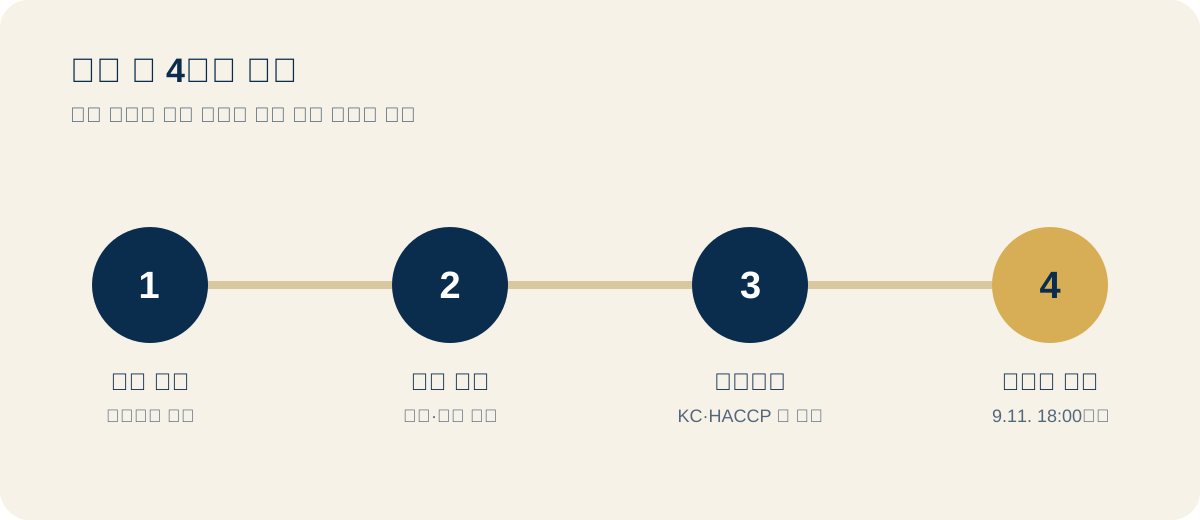
4. 최대 2억원 지원보다 먼저 ‘어디에 어떤 정품인증기술을 붙일지’를 설계해야 합니다
지식재산처는 선정기업에 국가인증상표 사용을 허락하고, 중소·중견기업에는 최대 2억원 규모의 정품인증기술 도입비용 지원을 계획하고 있다고 밝혔습니다. 공고·보도자료에는 중소·중견기업의 자부담 조건도 안내되어 있으므로 실제 신청 시 세부 비율과 인정비용을 반드시 확인해야 합니다.
대기업은 정품인증기술 도입비용 지원 없이 국가인증상표 사용을 신청할 수 있는 구조로 안내되어 있습니다.
실무에서는 지원금 규모만 보고 신청하기보다 정품인증기술이 실제 유통현장에서 어떻게 작동할지를 먼저 검토하는 것이 중요합니다.
예를 들면 다음과 같은 질문이 필요합니다.
- 인증기술을 제품 본체, 포장, 라벨 중 어디에 적용할 것인가
- 소비자가 휴대전화로 확인하기 쉬운 위치인가
- 병행수입·리셀·정상 유통과 위조품을 어떻게 구분할 것인가
- 현지 물류과정에서 라벨이 훼손되거나 교체될 가능성은 없는가
- 제품군이 많을 때 SKU별 운영비용은 감당 가능한가
- 인증정보와 회사의 기존 고객·유통 데이터 시스템을 어떻게 분리·연계할 것인가
즉, 정품인증기술은 단순히 라벨을 하나 더 붙이는 문제가 아니라 상표권·제품·유통·데이터가 만나는 운영 시스템으로 보는 편이 좋습니다.
5. 정부 인증은 해외상표 등록과 침해대응 전략을 대체하지 않습니다
이번 제도의 가장 큰 장점은 개별 기업이 해외 위조상품 문제를 혼자 추적하는 방식에서 벗어나, 국가인증상표와 정품확인 정보를 활용해 관계기관의 해외 대응으로 연결할 수 있다는 점입니다.
하지만 이것이 회사 자체 상표권 관리의 중요성을 낮추는 것은 아닙니다.
위조상품에 대응하려면 여전히 다음과 같은 기반이 필요합니다.
- 핵심 판매국가의 상표권 확보
- 온라인 플랫폼의 브랜드 보호 프로그램 등록
- 현지 세관·수사기관에서 활용할 권리증빙
- 위조상품 샘플과 판매 URL 등 침해증거 확보
- 총판·OEM·ODM·라이선스 계약에서의 브랜드 사용범위 관리
- 국가별 갱신·사용증명·불사용취소 위험 관리
따라서 K-브랜드 정부인증제도는 해외상표 전략을 대신하는 제도가 아니라, 이미 구축한 권리와 유통관리 체계를 강화하는 추가 수단으로 활용하는 것이 바람직합니다.
SKY 실무 포인트
이번 모집에서 가장 먼저 확인할 것은 “지원금이 얼마인가”보다 우리 회사의 수출국가·해외상표·제품인증 상태가 서로 맞물려 있는가입니다.
특히 신청을 준비하면서 해외 판매국가와 상표출원 국가를 표로 한 번 대조해 보면, 평소에는 보이지 않던 권리 공백이 드러나는 경우가 많습니다.
예를 들어 매출은 이미 발생하고 있지만 상표가 출원되지 않은 국가, 총판 명의로 등록된 상표, 이전 법인명으로 남아 있는 권리, 서브브랜드만 보호되지 않은 국가 등이 발견될 수 있습니다.
이런 문제는 인증제도 선정 여부와 별개로 향후 위조상품 대응과 해외사업 가치에 직접 영향을 줄 수 있으므로 함께 정리하는 것이 좋습니다.
신청 전 체크리스트
- 해외에 제품을 수출 중인 국내법인인지
- 인증상표를 사용할 국가에 자사 상표가 출원 또는 등록되어 있는지
- 대상제품이 국내 품질인증기준을 충족하는지 또는 별도 추천 경로가 필요한지
- 정품인증기술을 실제 제품·포장·유통에 적용할 계획이 있는지
- 기존 해외상표 포트폴리오에 공백이나 명의 문제가 없는지
- 2026년 9월 11일 18:00 이전에 온라인 신청과 구비서류 제출이 가능한지
신청은 K-브랜드 국가인증상표 참여신청 시스템에서 진행하도록 안내되어 있습니다.
공식 출처
- 지식재산처 — 2026년 K-브랜드 정부인증제도 참여기업 모집 공고(1차)
- 지식재산처 — 해외에서 우리 수출기업의 짝퉁 유통, K-상표 정부인증제도로 해결한다
- 한국지식재산보호원 — K-브랜드 국가인증상표 참여신청 시스템
※ 본 글은 2026년 9월 1일 확인 가능한 공식 자료를 바탕으로 작성한 일반 정보입니다. 실제 지원대상, 비용 인정범위, 제출서류와 선정요건은 모집공고와 신청시스템의 최신 내용을 기준으로 확인해야 합니다.
English Version
Korean exporters facing overseas counterfeiting often focus first on trademark registration. Registration remains fundamental, but fast-moving consumer markets may also require practical tools that help customers verify authenticity and allow companies to identify suspicious distribution more quickly.
Korea’s Ministry of Intellectual Property has opened the first 2026 recruitment round for the K-Brand Government Certification program. According to the official notice, applications were open from August 24 through September 11, 2026 at 18:00 KST.
The program combines the use of a government-owned certification mark with anti-counterfeit authentication technology. The policy is intended to support Korean exporters in identifying genuine products and responding to suspected counterfeit distribution overseas.
The official recruitment notice is available through the Ministry of Intellectual Property’s IP support program page, and the policy background is explained in the Ministry’s August 24 press release.
1. Confirm that the applicant is a Korean corporation currently exporting products
The official notice identifies Korean corporations currently exporting products overseas as the principal eligible applicants. Small, medium-sized and large enterprises may participate, although the financial support structure differs by company size.
Before preparing the application, companies should organize basic evidence showing where their products are already being exported and how those products are distributed.
Useful internal information includes:
- current export destinations;
- product and brand names used in each market;
- export records;
- local distributors, online marketplaces and sales channels; and
- countries where counterfeiting or unauthorized sales are already creating business risk.
For companies managing multiple brands, it is also important to identify the specific brand and product line that will be covered by the application.
2. Check the company’s trademark status in each country where the certification mark will be used
The Ministry’s press release states that an applicant should have its own trademark filed or registered in the overseas country where it intends to use the government certification mark.
This requirement illustrates an important distinction: participation in the certification program does not create the applicant’s underlying foreign trademark rights.
The company must continue to manage its own trademark filings and registrations. The K-Brand certification system should be viewed as an additional authentication and enforcement tool layered on top of the company’s existing brand rights.
Before applying, companies should check:
- whether sales countries match trademark filing countries;
- whether the applicant and trademark owner are correctly aligned;
- whether any local distributor or affiliate owns key marks;
- whether product names and sub-brands also require protection; and
- whether key anti-counterfeit markets still have trademark filing gaps.
Any gap identified during this review should be addressed independently of the certification application.
3. Review applicable Korean quality-certification requirements
The Ministry also explains that participating products should satisfy applicable Korean quality-certification standards such as KC or HACCP. Where a product does not meet a standard of this type, an alternative route based on a recommendation from the relevant sector ministry may be available under the program rules.
Companies should not confuse the K-Brand program with a product safety or performance certification.
Its central function is genuine-product authentication and anti-counterfeit support for Korean brands abroad. It does not replace product-specific regulatory approvals, safety certifications or market-entry requirements.
Trademark, export, manufacturing and quality teams should therefore review the application together rather than treating it as a trademark-only project.
4. Design the authentication workflow before focusing on the subsidy amount
The Ministry has announced support of up to KRW 200 million for the introduction of anti-counterfeit authentication technology for selected small and medium-sized or mid-sized companies, subject to applicable cost-sharing conditions in the program documents. Large enterprises may apply to use the certification mark but are not eligible for the same technology-cost subsidy.
The more important question is how the authentication technology will function in the actual supply chain.
Companies should consider:
- whether the authentication element will be placed on the product, package or label;
- whether a customer can scan or verify it easily;
- how legitimate parallel distribution or resale will be distinguished from counterfeiting;
- whether labels can be removed or replaced during logistics;
- how SKU-level operating costs will scale across the product portfolio; and
- how authentication data will be separated from or integrated with existing customer and distribution systems.
This makes the program an operational brand-protection project, not merely a labeling exercise.
5. Government certification does not replace foreign trademark registration or enforcement planning
One of the program’s most significant features is its attempt to connect authentication information with broader public-sector support when suspicious overseas counterfeiting is detected.
However, companies still need the core infrastructure required for trademark enforcement, including:
- trademark registrations in important markets;
- enrollment in platform brand-protection programs;
- evidence of rights for customs and enforcement authorities;
- preservation of counterfeit samples, URLs and transaction evidence;
- clear brand-use provisions in distributor, OEM, ODM and license agreements; and
- management of renewals, use requirements and cancellation risks.
The K-Brand program should therefore strengthen, rather than replace, a company’s international trademark portfolio and enforcement strategy.
Practical SKY perspective
The most useful pre-application exercise is to compare three maps: where the company sells, where it owns or has filed trademarks, and where its products meet the required certification framework.
That comparison frequently reveals gaps that are more important than the subsidy itself, such as unfiled sales markets, marks owned by distributors, legacy ownership names or unprotected sub-brands.
The official online application channel is the K-Brand Government Certification application system.
Official Sources
- Ministry of Intellectual Property — 2026 K-Brand Government Certification recruitment notice
- Ministry of Intellectual Property — August 24, 2026 press release
- Korea Intellectual Property Protection Agency — application system
This article reflects official information available as of September 1, 2026. Applicants should confirm the latest eligibility rules, cost-sharing requirements and required documents in the official notice and application system before submission.