K-브랜드 정부인증제도 본격 시행 — 해외 위조상품 대응, 정품인증 및 11월 10일 신청 안내
해외에서 판매되는 한국 기업의 제품에 위조상품이 등장한다면, 개별 기업의 상표권 행사만으로 충분히 대응할 수 있을까요?
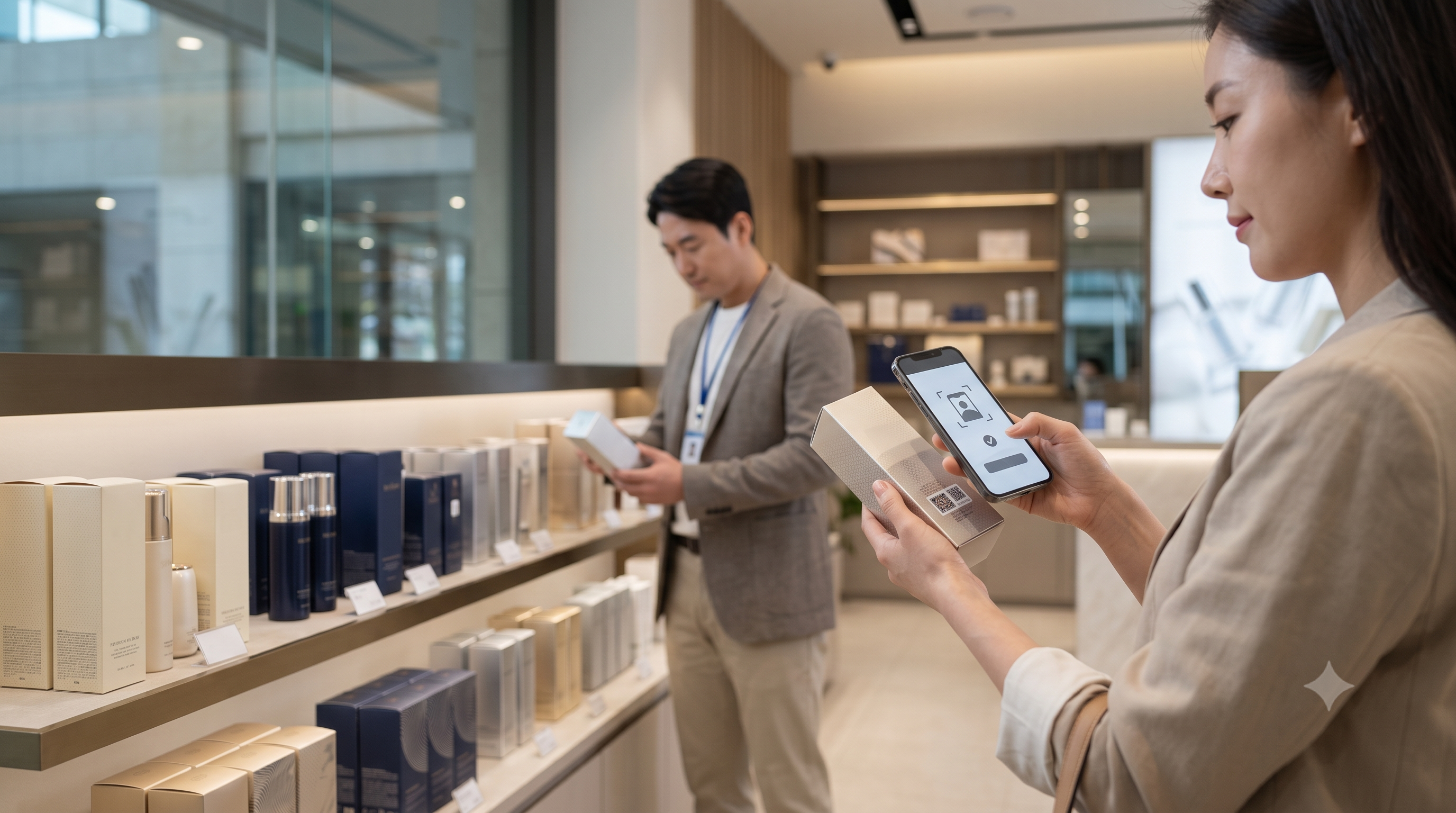
해외에서 판매되는 한국 기업의 제품에 위조상품이 등장한다면, 개별 기업의 상표권 행사만으로 충분히 대응할 수 있을까요?
2026년 10월 7일 지식재산처는 해외에서 확산되는 K-브랜드 위조상품에 대응하기 위한 「K-브랜드 정부인증제도」의 본격 시행을 발표하였습니다.
이번 제도의 핵심은 대한민국 정부가 국가인증상표의 권리자가 되어 기업과 함께 해외 위조상품에 대응하고, 소비자가 스마트폰으로 정품 여부를 확인할 수 있도록 하는 것입니다.
또한 정품확인 과정에서 얻어지는 정보를 활용하여 위조상품 유통지역을 파악하고, 해외 수사·집행기관과 연계하는 보호체계도 추진합니다.
특히 중소·중견기업에는 정품인증기술 도입비용을 지원하는 제도가 마련되어 있어, 해외 수출기업이 관심을 가질 만한 중요한 정책입니다.
2026년 11월 10일까지 참여 신청이 가능하다는 점도 확인할 필요가 있습니다.
1. K-브랜드 정부인증제도가 본격 시행되었습니다
한국 기업의 화장품, 식품, 생활용품, 패션상품 등은 해외시장에서도 널리 판매되고 있습니다.
그러나 브랜드의 인지도가 높아지면서 해외에서 유사한 상표를 부착하거나, 실제 한국 기업의 제품인 것처럼 소비자를 오인하게 만드는 상품도 문제가 되고 있습니다.
특히 온라인 플랫폼과 국경 간 전자상거래가 확대되면서 위조상품의 유통경로가 복잡해지고 있습니다.
이러한 문제는 브랜드 소유 기업이 개별적으로 대응하기 어려운 경우가 있습니다.
해외 국가별로 상표권 등록 여부를 확인해야 하고, 위조상품이 판매되는 플랫폼이나 현지 유통업체를 파악해야 하며, 필요한 경우 현지 법률과 행정절차에 따라 권리행사를 해야 하기 때문입니다.
지식재산처는 이러한 한계를 보완하기 위해 정부가 국가인증상표의 권리자로 직접 참여하는 방식을 도입하였습니다.
이번 제도는 단순한 제품 홍보나 인증마크 부착사업에 그치지 않고, 정품확인과 해외 위조상품 대응을 연계하려는 정책이라는 점에서 주목할 필요가 있습니다.
핵심: K-브랜드 정부인증제도는 대한민국 정부가 국가인증상표의 권리자로 참여하고, 기업의 정품인증과 해외 위조상품 대응을 지원하기 위한 제도입니다. 개별 기업의 기존 상표권을 대체하는 제도는 아닙니다.
2. 기존 상표등록과 무엇이 다른가요?
기업이 특정 브랜드를 해외에서 보호하려면 해당 국가의 상표제도에 따라 권리를 확보하는 것이 일반적입니다.
예를 들어 한국에서 등록한 상표가 있다고 해서 모든 해외 국가에서 자동으로 동일한 상표권을 행사할 수 있는 것은 아닙니다.
해외 수출을 계획하는 기업은 판매국가별로 필요한 상표출원 및 등록전략을 검토해야 합니다.
반면 K-브랜드 정부인증제도에서는 기업이 소유한 개별 상표와 별도로 대한민국 정부가 국가인증상표의 권리자가 됩니다.
참여기업은 정해진 요건과 절차에 따라 자사의 제품에 해당 국가인증상표를 사용할 수 있습니다.
따라서 두 제도는 보호의 대상과 역할에 차이가 있습니다.
| 구분 | 기업의 해외 상표권 | K-브랜드 정부인증제도 |
|---|---|---|
| 권리주체 | 개별 상표권자 | 국가인증상표의 권리자인 대한민국 정부 |
| 주요 목적 | 기업 고유 브랜드의 보호 | 정품확인 및 K-브랜드 위조상품 대응 지원 |
| 권리대상 | 기업의 등록상표 | 정부가 권리를 확보하는 국가인증상표 |
| 적용방식 | 국가별 상표권 확보 및 행사 | 참여기업의 인증상표 사용과 정품인증 연계 |
| 위조상품 대응 | 기업별 권리행사 | 국가인증상표 권리행사 및 관계기관 협력 추진 |
따라서 국가인증상표를 사용할 수 있게 되었다고 해서 기업의 고유 브랜드에 대한 해외 상표출원이나 등록이 불필요해지는 것은 아닙니다.
기업은 기존 상표권을 기초로 브랜드를 관리하면서, 정부인증제도를 보완적인 보호수단으로 활용할 수 있습니다.
3. 소비자는 스마트폰으로 정품을 확인할 수 있습니다
이번 제도의 중요한 특징 중 하나는 정품인증기술의 활용입니다.
지식재산처 발표에 따르면 국가인증상표에는 한국조폐공사가 개발한 정품인증기술이 적용될 예정입니다.
해외 소비자는 별도의 앱을 설치하지 않고 스마트폰 카메라로 제품에 부착된 국가인증상표를 스캔하여 정품 여부를 확인할 수 있도록 한다는 계획입니다.
이는 단순히 제품 포장에 정부인증 표시를 인쇄하는 것과는 차이가 있습니다.
정품확인 기능을 통해 실제 상품의 인증상태를 확인할 수 있도록 하는 기술적 체계를 함께 적용하는 것입니다.
예를 들어 해외 온라인 판매자가 한국 화장품의 정품이라고 주장하는 경우, 소비자는 인증표시를 확인하고 관련 인증기술을 이용하여 상품의 정품 여부를 검토할 수 있습니다.
다만 정품인증기술의 실제 적용방식과 확인 가능한 범위는 참여기업별 적용상황 및 제도 운영기준에 따라 확인해야 합니다.
또한 인증마크가 있다는 사실만으로 상품의 모든 품질이나 안전성이 보장되는 것으로 이해해서는 안 됩니다.
4. 정품확인 정보를 해외 위조상품 추적에 활용합니다
이번 제도는 소비자의 정품확인 기능에만 머무르지 않습니다.
지식재산처는 정품인증상표의 스캔 정보를 분석하여 위조상품이 유통되는 지역을 파악하고, 해외 수사·집행기관과 연계하여 단속에 활용할 계획이라고 밝혔습니다.
공식 발표에서 제시한 보호체계는 다음과 같습니다.
- 국가인증상표를 통한 정품인증
- 소비자의 스마트폰 정품확인
- 정품확인 정보를 활용한 위조상품 유통지역 파악
- 해외 관련 기관과의 정보연계 및 단속 협력
이러한 방식은 위조상품 대응 과정에서 정보를 확보하는 하나의 수단이 될 수 있습니다.
다만 인증정보를 통해 위조상품이 의심되는 지역을 파악했다는 사실만으로 해당 판매자의 상표권 침해가 확정되는 것은 아닙니다.
실제 단속이나 법적 조치에서는 관련 국가의 법률, 권리상태 및 구체적인 증거에 대한 검토가 필요합니다.
따라서 정품확인 정보는 해외 권리행사를 지원하는 자료로 이해하는 것이 적절합니다.
5. 정부가 해외에서 직접 상표권을 행사할 수 있나요?
이번 정책에서 특히 눈여겨볼 부분은 대한민국 정부가 국가인증상표의 권리자로 참여한다는 점입니다.
지식재산처에 따르면 국가인증상표는 2026년 9월 국내 출원이 완료되었으며, 2026년 말까지 주요 73개 수출국에 해외 출원을 완료할 계획입니다.
이는 발표 당시의 출원계획을 의미하며, 해당 국가 모두에서 이미 등록이 완료되었다는 뜻은 아닙니다.
해외에서 국가인증상표를 무단으로 사용하거나 위조하는 행위가 발생할 경우, 정부는 해당 국가의 법률이 허용하는 범위에서 상표권을 행사한다는 방침입니다.
또한 국제수사기관인 인터폴과의 협력을 강화하고, 해외 당국에 위조상품 단속 및 통관보류 등의 조치를 요구할 계획입니다.
다만 실제 권리행사 가능성은 국가별 상표의 권리상태 및 현지 법률에 따라 달라질 수 있습니다.
실무상 유의사항: 국가인증상표를 활용하는 것과 기업의 고유 상표권을 확보하는 것은 별개입니다. 해외에서 기업 브랜드 자체가 모방되는 경우에 대비하려면 주요 수출국의 상표권 확보 및 관리전략도 함께 검토해야 합니다.
6. 중소·중견기업은 최대 2억 원의 정품인증기술 도입비용 지원
2026년 10월 7일 발표에 따르면 참여기업에는 국가인증상표 사용 및 정·가품 정보 수집체계 이용과 관련된 지원이 제공됩니다.
특히 중소·중견기업의 경우 정품인증기술 도입비용을 기업당 최대 2억 원까지 지원한다고 밝혔습니다.
다만 여기서 주의할 점은 최대 지원금액과 실제 개별 기업이 받을 수 있는 금액은 같지 않다는 것입니다.
지원 대상과 지원금액, 기업 부담, 사업 수행범위 및 세부 조건은 공고와 선정 결과에 따라 확인해야 합니다.
또한 이번 제도에는 정품인증기술 도입지원 외에도 유관기관의 해외 수출지원과 연계되는 혜택이 포함되어 있습니다.
- 한국무역보험공사 수출보험료 할인
- KOTRA 수출박람회 참가 시 가점 부여
- 한국무역협회 트레이드코리아 내 별도 판매관 입점 지원
- 국가인증상표 및 정·가품 정보 수집체계 이용
따라서 실제 수출 중인 기업이라면 단순히 인증표시의 사용 가능 여부만 살펴보는 것보다 정품인증, 해외 마케팅 및 위조상품 대응 측면의 종합적인 활용 가능성을 검토해 볼 수 있겠습니다.
7. 어떤 기업이 신청을 검토하면 좋을까요?
특히 해외 온라인 유통과 수출 비중이 높은 기업에서 관심을 가질 만합니다.
예를 들어 해외에서 한국 화장품이나 식품을 판매하고 있는데, 정품과 유사한 포장이나 상표를 사용한 상품이 발견되는 경우입니다.
또한 여러 국가의 온라인 쇼핑몰에서 자사 브랜드가 판매되어 유통경로를 파악하기 어렵거나, 해외 총판과 판매대리점별로 정품 관리체계를 강화하려는 기업에도 관련성이 있을 수 있습니다.
다만 이번 제도의 지원 여부는 업종이나 브랜드 인지도만으로 결정되는 것은 아닙니다.
신청 전에 기업은 다음과 같은 사항을 확인하는 것이 좋습니다.
- 실제 해외 수출 여부 및 수출국
- 신청 대상 브랜드와 제품
- 대상 국가의 상표 출원·등록 상태
- 제품에 적용되는 품질인증 관련 요건
- 현재 사용하는 정품확인 또는 위조방지 기술
- 위조상품이 실제 문제가 되는 국가와 유통채널
- 참여기업 모집공고에서 요구하는 증빙자료 및 지원조건
참여요건과 상세 절차는 최신 공식 모집안내에서 확인해야 합니다.
8. 신청기한은 2026년 11월 10일입니다
지식재산처의 2026년 10월 7일 발표에 따르면 K-브랜드 정부인증제도에 참여하고자 하는 기업은 2026년 11월 10일 화요일까지 신청할 수 있습니다.
신청은 한국지식재산보호원의 K-브랜드 정부인증제도 참여신청 시스템을 통해 진행하도록 안내되어 있습니다.
신청 홈페이지: K-브랜드 정부인증제도 참여신청 시스템
공식 문의처: 한국지식재산보호원 02-6196-2045, 2063\~2064
특히 2026년 9월에 진행된 1차 모집은 이미 종료되었으므로, 과거 모집공고에 기재된 날짜와 이번 본격 시행에 따른 신청기한을 혼동해서는 안 됩니다.
스카이특허에서 앞서 게시한 2026년 K-브랜드 정부인증제도 1차 모집 안내는 당시 참여요건 및 접수사항을 설명한 글입니다.
이번 글은 10월 7일 본격 시행 발표를 기준으로 정부의 권리행사 체계와 정품인증 운영방식 및 새로운 신청기한을 설명하는 내용입니다.
신청을 검토하는 기업은 반드시 최신 공고와 신청시스템에서 실제 접수상태를 확인하시기 바랍니다.
9. 정부인증을 받으면 해외 상표등록은 필요 없을까요?
그렇지 않습니다.
이 부분은 특히 기업이 혼동하지 않아야 할 사항입니다.
정부의 국가인증상표는 참여기업의 제품이 K-브랜드 정품임을 확인하고 관련 위조상품 대응을 지원하는 목적을 가지고 있습니다.
그러나 각 기업의 브랜드명, 로고, 상품표장 자체에 대한 권리는 별도로 검토해야 합니다.
예를 들어 해외에서 다른 사업자가 한국 기업의 브랜드와 동일하거나 유사한 상표를 먼저 등록했다면, 국가인증상표 제도 참여만으로 그 문제를 모두 해결할 수 있는 것은 아닙니다.
또한 국가인증상표를 위조하지 않고 기업의 고유 상표만 무단 사용하는 경우에는 기업의 상표권을 중심으로 침해 여부를 검토해야 할 수 있습니다.
따라서 해외에서 브랜드를 안정적으로 보호하기 위해서는 정부인증제도와 별도로 다음 사항을 검토할 필요가 있습니다.
- 주요 수출국의 상표 출원 및 등록 여부
- 현지 대리점·총판의 상표 사용관계
- 온라인 판매채널의 상표권 침해 대응절차
- 위조상품 증거확보 및 침해상품 신고방법
- 국가인증상표와 기업 고유 상표의 병행 사용전략
이러한 요소는 기업의 수출국, 유통구조 및 브랜드 보호목표에 따라 달라질 수 있습니다.
10. 해외 위조상품에 대응할 때 주의할 점
해외에서 자사 제품과 비슷한 상품이 판매되고 있다고 해서 모든 경우에 상표권 침해가 성립하는 것은 아닙니다.
실제 분쟁에서는 해당 국가에서 유효한 상표권이 존재하는지, 문제가 되는 상품에 어떤 표장이 사용되었는지, 상품이 동일·유사한지 등을 구체적으로 검토해야 합니다.
온라인 플랫폼에 신고하는 경우에도 권리자의 등록상표, 침해 의심 상품의 판매정보, 화면자료, 판매국가 등을 정리해 두는 것이 중요합니다.
정부인증제도의 정품확인 정보는 이러한 대응을 보완할 수 있는 수단이 될 수 있지만, 모든 위조상품 신고나 법적 절차를 자동으로 대신하는 것은 아닙니다.
핵심 정리: K-브랜드 정부인증제도는 정품인증과 해외 위조상품 대응을 위한 추가적인 보호수단입니다. 실제 브랜드 보호를 위해서는 기업의 기존 해외 상표권과 현지 권리행사 전략을 함께 관리하는 것이 중요합니다.
11. 스카이특허의 검토 방향
해외에 제품을 수출하는 기업은 자사의 상표권을 확보하는 것뿐 아니라 유통과정에서 발생하는 위조상품 문제에도 대비할 필요가 있습니다.
특히 해외 온라인 플랫폼을 통해 판매가 확대되는 경우에는 어떤 국가에서 어떤 표장이 사용되고 있는지, 자사의 상표권이 어디까지 확보되어 있는지를 확인하는 것이 중요합니다.
이번 K-브랜드 정부인증제도는 개별 기업의 상표권 보호를 보완할 수 있는 정부 차원의 지원제도라는 점에서 활용을 검토할 만합니다.
스카이특허법률사무소는 국내외 상표출원 및 등록, 선행상표 조사, 해외 브랜드 보호전략 및 상표권 관련 검토를 수행하고 있습니다.
해외 수출기업은 국가인증상표의 사용 가능성과 별도로 자사의 브랜드 권리상태를 점검하고, 기존 상표권과 정부 지원제도를 연계하는 방향을 검토하는 것이 바람직하겠습니다.
공식 참고자료
- 지식재산처 — 2026.10.07. K-브랜드 정부인증제도 본격 시행
- 한국지식재산보호원 — K-브랜드 정부인증제도 신청시스템
- 지식재산처 — 해외상표출원 및 상표제도
- WIPO — International Trademark System
본 글은 2026년 10월 11일 기준 지식재산처의 공식 발표에 근거하여 작성하였습니다. 지원 대상·지원금액·신청기한 및 세부 조건은 최신 공고에 따라 확인해야 합니다.
English Version
What can Korean exporters do when counterfeit versions of their products appear in overseas markets?
On October 7, 2026, Korea’s Ministry of Intellectual Property announced the official launch of the K-Brand Government Certification Program, a new initiative designed to strengthen the protection of authentic Korean products in international markets.
The program involves the Korean government acting as the owner of a national certification trademark, introducing product authentication technology, and coordinating measures against counterfeit products overseas.
Consumers are expected to be able to verify authentic products using smartphone-based authentication technology.
The government also intends to analyze authentication information to identify areas where suspected counterfeit goods are circulating and cooperate with overseas enforcement authorities.
The initiative is particularly relevant to Korean companies exporting cosmetics, food, consumer products, fashion items, and other branded merchandise.
The announced application deadline is November 10, 2026.
See the official October 7 announcement from the Ministry of Intellectual Property.
1. Korea Has Launched the K-Brand Government Certification Program
Korean consumer products are becoming increasingly visible in international markets.
At the same time, companies face risks from counterfeit goods, unauthorized use of brand names, and products that misleadingly appear to originate from Korean manufacturers.
These problems have become more complicated as international e-commerce and online distribution channels have expanded.
An individual company may need to establish its trademark rights in multiple jurisdictions, investigate counterfeit sellers, collect evidence, and pursue enforcement proceedings under the laws of different countries.
These activities can be difficult and expensive, especially for small and medium-sized exporters.
The new certification program seeks to supplement individual brand enforcement through direct government participation.
The Korean government will own a national certification trademark and support the authentication of genuine Korean products and the protection of participating companies against counterfeit goods.
Key point: The K-Brand Government Certification Program is intended to support authentic-product verification and overseas anti-counterfeiting efforts through a government-owned certification trademark. It does not replace the participating company’s own trademark rights.
2. How Is the Program Different from Ordinary Trademark Registration?
A company seeking trademark protection overseas generally needs to secure appropriate rights in the jurisdictions where protection is required.
A Korean trademark registration does not automatically provide identical trademark protection throughout the world.
Companies exporting internationally must therefore consider their target markets and adopt an appropriate trademark filing and protection strategy.
The K-Brand Government Certification Program operates differently.
Under this system, the Korean government is the owner of the national certification trademark.
Participating companies may use the certification mark on qualifying products in accordance with the program’s requirements.
The two forms of protection serve different purposes.
| Category | Company-owned trademark | K-Brand certification program |
|---|---|---|
| Rights holder | Individual company or trademark owner | Korean government for the national certification mark |
| Primary purpose | Protect the company’s brand | Authenticate genuine products and support anti-counterfeiting |
| Protected sign | The company’s registered trademark | Government-owned certification trademark |
| Implementation | Registration and enforcement under applicable national laws | Authorized use of certification and authentication technology |
| Enforcement | Company-led enforcement | Government participation and cooperation with relevant agencies |
Participation in the government certification program does not eliminate the need to protect a company’s distinctive brand name and logo.
The certification initiative should instead be considered a potentially complementary protection mechanism.
3. Smartphone-Based Product Authentication
A significant feature of the program is the use of authentication technology.
According to the government’s announcement, the national certification mark will incorporate technology developed by the Korea Minting, Security Printing & ID Card Operating Corporation.
The objective is to allow international consumers to use their smartphone cameras to verify the authenticity of certified Korean products without installing a separate application.
This differs from merely printing a decorative certification symbol on product packaging.
The system is intended to incorporate technology that supports actual product authentication.
For example, a consumer purchasing Korean cosmetics from an overseas online seller may be able to scan the certification mark and verify the product through the program’s authentication mechanism.
However, companies should confirm the exact technical implementation, scope of verification, and conditions applicable to their own products.
The certification mark should not be interpreted as a blanket guarantee of every aspect of product quality or safety.
4. Using Authentication Information to Identify Counterfeit Distribution
The program aims to go beyond individual product authentication.
The government has announced plans to analyze information generated through authentication scans to help identify regions where suspected counterfeit products are being distributed.
This information may then be used in cooperation with foreign investigative and enforcement authorities.
The proposed structure can be summarized as follows:
- Application of the national certification trademark.
- Consumer verification of authentic products.
- Analysis of authentication information to identify suspected counterfeit distribution.
- Cooperation with relevant overseas authorities.
Such information may assist anti-counterfeiting investigations.
However, an unusual authentication result or suspicious geographic pattern does not automatically establish trademark infringement.
Legal enforcement still requires consideration of the relevant rights, applicable national laws, and supporting evidence.
Authentication data should therefore be viewed as a potential investigative and enforcement resource rather than an automatic legal determination.
5. Can the Korean Government Enforce Trademark Rights Overseas?
One of the most important features of the initiative is the government’s direct role as the certification trademark owner.
According to the October 7 announcement, the national certification trademark had been filed domestically in September 2026.
The government also announced plans to complete overseas filings in 73 major export countries by the end of 2026.
This is a filing target announced by the government. It should not be interpreted to mean that registrations have already been granted in all 73 jurisdictions.
If counterfeiters unlawfully reproduce or use the national certification trademark, the Korean government intends to exercise trademark rights within the protection available under the relevant country’s laws.
The government has also announced plans to strengthen cooperation with international law enforcement organizations, including INTERPOL, and encourage overseas authorities to pursue investigations, enforcement, and customs measures against counterfeit goods.
Actual enforcement options will depend on the status of rights in each jurisdiction and the applicable legal framework.
Practical consideration: Government certification and individual trademark ownership are separate issues. A company should continue to review its own trademark protection in major export markets, even if its products qualify for government certification.
6. Financial Support of Up to KRW 200 Million
The government announced that participating companies may benefit from the use of the certification mark and access to the program’s genuine-versus-counterfeit information collection system.
For small and medium-sized enterprises, financial assistance of up to KRW 200 million per company may be available for introducing product authentication technology.
However, the maximum amount should not be treated as an amount guaranteed to every participant.
Actual eligibility, financial support, cost-sharing arrangements, and implementation requirements must be verified against the applicable program notice and selection conditions.
The government also described additional export-related benefits coordinated through partner organizations.
These include:
- Export insurance premium discounts through the Korea Trade Insurance Corporation.
- Additional consideration for participation in certain KOTRA export exhibitions.
- Access to a dedicated sales section within the Korea International Trade Association’s tradeKorea platform.
- Use of the national certification and product authentication information system.
These measures may be valuable to businesses seeking to improve both brand protection and international market access.
7. Which Companies Should Consider Participating?
The program may be especially relevant to companies that already export branded consumer products.
For example, a Korean cosmetics company may discover products overseas that imitate its packaging or trademark.
A food manufacturer may find apparently similar products being sold through unfamiliar international distributors.
Other exporters may be concerned about inconsistent distribution channels or unauthorized sellers claiming that their products are genuine.
The program may provide an additional framework for authentication and protection.
However, participation is not determined solely by industry or brand reputation.
Companies should examine:
- Whether they currently export products.
- Which products and brands are intended for participation.
- Their existing trademark registrations or applications in target countries.
- Applicable product quality or certification requirements.
- Existing anti-counterfeiting or authentication measures.
- Countries and distribution channels where counterfeit products are a concern.
- Documentary and financial conditions specified in the latest official notice.
The detailed eligibility requirements should be confirmed through the current application process.
8. Application Deadline: November 10, 2026
According to the Ministry’s October 7 announcement, companies interested in participating should submit their applications by Tuesday, November 10, 2026.
Applications are handled through the Korea Intellectual Property Protection Agency’s dedicated application system.
Official application portal: K-Brand Government Certification Program
Official inquiries: Korea Intellectual Property Protection Agency, +82-2-6196-2045 or +82-2-6196-2063–2064.
Companies should distinguish this deadline from the earlier first-round recruitment period that closed in September 2026.
SKY Patent & Law Firm’s earlier K-Brand first-round application article discussed the initial recruitment requirements and September deadline.
This article addresses the program’s official October launch, its intended government-led enforcement structure, product authentication measures, and the subsequently announced November application deadline.
Applicants should confirm current submission procedures and availability through the official portal before applying.
9. Does Government Certification Replace Overseas Trademark Registration?
No.
This distinction is particularly important for exporters.
The national certification trademark is intended to support the verification of authentic Korean products and measures against counterfeit goods.
However, each company’s brand name, logo, and other distinctive signs involve separate trademark rights.
For example, if another business registers a Korean company’s brand in a foreign country, participation in the government certification program does not automatically resolve that trademark dispute.
Likewise, where a counterfeit seller misuses a company’s brand without reproducing the government certification mark, the company’s own trademark rights may remain central to enforcement.
Exporters should therefore continue to consider:
- Trademark filing and registration in major export markets.
- Trademark use arrangements with local distributors and agents.
- Trademark enforcement through international e-commerce platforms.
- Evidence preservation for suspected infringement.
- Coordination between company-owned marks and the national certification mark.
The appropriate approach depends on the company’s markets, distribution arrangements, and overall brand protection strategy.
10. Practical Considerations for Overseas Counterfeit Disputes
Not every product that resembles another product necessarily infringes a trademark.
Legal analysis may require confirmation of the relevant trademark registrations, the signs used by the suspected seller, the goods involved, and the specific jurisdiction.
For online marketplace complaints, rights holders may need to preserve screenshots, seller information, product descriptions, listings, transaction information, and records of their trademark rights.
The government’s product authentication system may provide useful supplementary information.
However, the existence of the certification program does not eliminate the need to assess the legal basis for enforcement or prepare evidence.
Key takeaway: The K-Brand Government Certification Program may provide an additional layer of authentication and anti-counterfeiting support. Companies should continue to manage their own trademark portfolios and overseas enforcement strategies.
11. SKY Patent & Law Firm’s Approach
Companies exporting branded goods need to consider both the acquisition of trademark rights and the practical enforcement challenges that may arise in international distribution.
As sales expand through global online platforms, businesses should understand where their trademarks are protected, how their brands are used, and what evidence may be required when unauthorized products appear.
The K-Brand Government Certification Program may complement those efforts through a national certification mark, authentication technology, and government cooperation.
SKY Patent & Law Firm assists clients with domestic and international trademark filings, prior trademark searches, brand protection strategies, and trademark-related legal and technical analysis.
Exporters considering participation in the government certification initiative should assess the program alongside their existing trademark rights and international brand protection objectives.
Official References
- Ministry of Intellectual Property of Korea — Official Launch of the K-Brand Government Certification Program, October 7, 2026
- Korea Intellectual Property Protection Agency — K-Brand Application Portal
- Ministry of Intellectual Property of Korea — Trademark Information
- WIPO — Madrid International Trademark System
This article is based on official information available as of October 11, 2026. Eligibility, financial assistance, application procedures, and deadlines should be confirmed through the latest official program notices.