 Practice Insight · Trademarks · 2026-09-24
If a Madrid International Trademark Is Refused in One Designated Country, Does the Entire International Registration Fail?
A provisional refusal issued by one designated Madrid System member does not automatically invalidate protection in every other designated country. Each designated office examines the mark under its own domestic law. This article explains how refusals work and what applicants should do next.
 Practice Insight · International Filing & Global IP · 2026-09-24
When and Why Should You File an Article 19 Claim Amendment After the PCT International Search Report?
After receiving the PCT international search report, an applicant has one opportunity under Article 19 to amend the claims before the International Bureau. This article explains the Rule 46.1 deadline, scope, new-matter limit, difference from Article 34, and when an amendment may be strategically useful.
 Practice Insight · Designs · 2026-09-22
Design Infringement Warning After Publication: Is Opposition Still Available in Korea?
For eligible partial-examination design registrations, opposition following an infringement notice requires attention to both a three-month period and a one-year outer limit.
 Practice Insight · Trademarks · 2026-09-22
Does a Personally Owned Trademark Automatically Transfer When a Business Incorporates?
Incorporation does not automatically transfer a founder's trademark. Consider assignment, licensing, the register, agreements and ongoing administration.
 IP & Patent News · Trademarks · 2026-09-21
Can a Product-Descriptive Name Be Registered as a Korean Trademark? What the 'Eomuk Burger' Decision Shows About Distinctiveness
A 2026 Patent Trial and Appeal Board decision concerning the mark 'Eomuk Burger' illustrates why wording that directly describes a product's ingredients or contents can face refusal for lack of distinctiveness. Brand clearance should test both conflicts with earlier marks and whether the proposed mark is inherently registrable.
 Practice Insight · Trademarks · 2026-09-21
We Have Not Used Our Korean Trademark for More Than Three Years. Is Renewal Alone Enough to Keep the Registration Safe?
Under Korea's Trademark Act, a registered mark may face a non-use cancellation trial when neither the owner nor an exclusive or non-exclusive licensee has used it in Korea for the designated goods for a continuous three-year period before the cancellation request, without a justifiable reason. Renewal and proof of actual use are separate issues.
IP & Patent News · Trademarks · 2026-09-20Madrid International Trademark Filing or Direct National Applications: Which Route Fits an Overseas Brand Expansion?
Choosing between the Madrid System and direct national trademark filings depends on target markets, the basic mark, goods and services, refusal risk, local procedural needs and future expansion. The Madrid System currently has 117 members covering 133 countries.
 IP & Patent News · Patents · 2026-09-20
We Improved the Product After Filing. Can We Add the New Technical Matter to the Existing Korean Patent Application?
New technical matter developed after a Korean patent filing generally cannot simply be inserted into the pending application if it was not disclosed in the original specification or drawings. A new filing or Korean domestic-priority strategy may need to be considered.
 Practice Insight · Patents · 2026-09-19
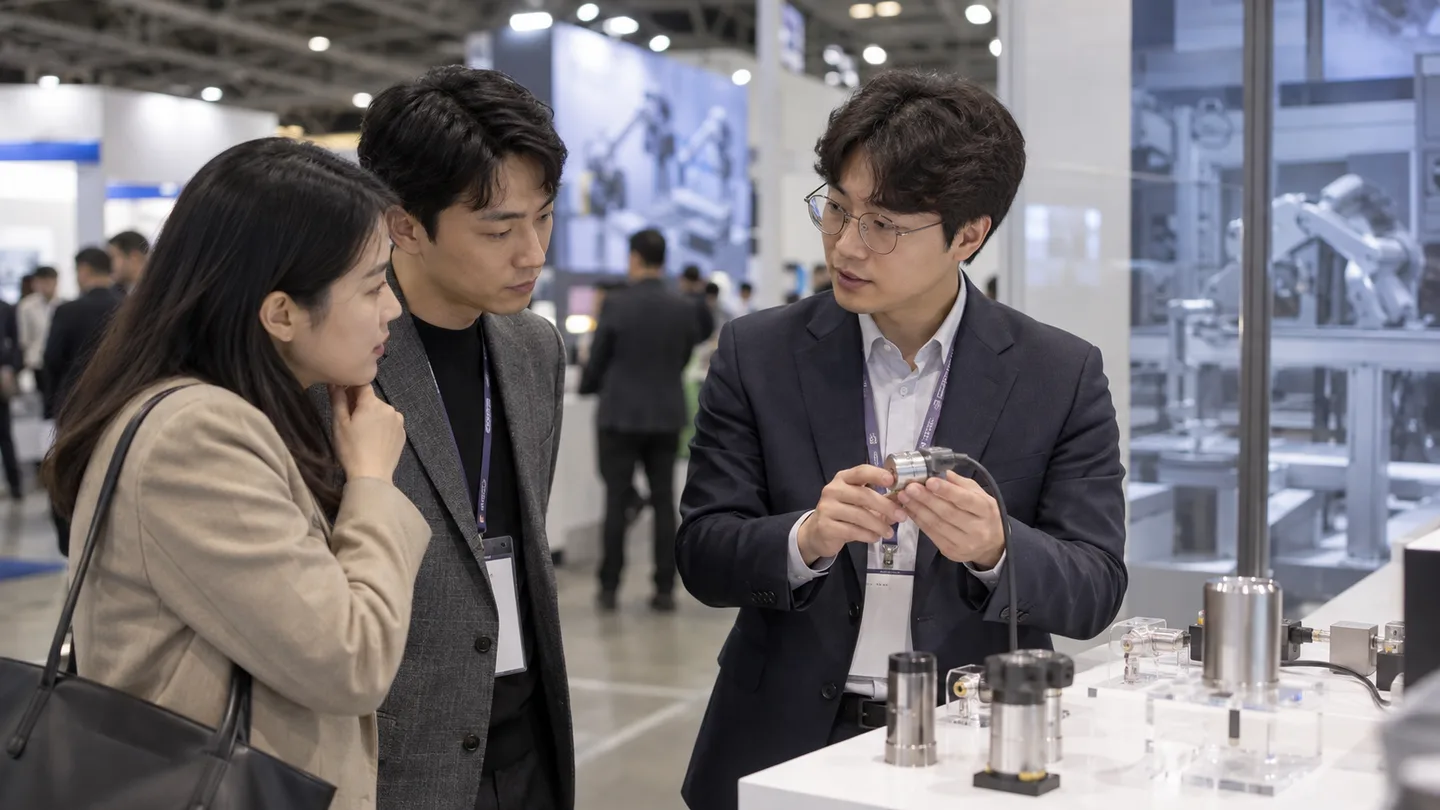
Can You Still File a Korean Patent After Public Disclosure? The 12-Month Grace Period and Practical Risks
Article 30 of the Korean Patent Act provides a 12-month grace period for certain disclosures by the person entitled to obtain a patent, but filing before public disclosure remains the safer strategy.
 Practice Insight · Patents · 2026-09-19
What Does a PCT International Patent Application Cost? Filing, Search, Transmittal and Excess-Page Fees
A PCT international application involves several separate fees rather than one flat amount. Applicants typically pay an international filing fee, a search fee and a transmittal fee, with possible excess-page charges and electronic-filing reductions. The actual amount depends on the receiving Office, chosen International Searching Authority and filing format.
 IP & Patent News · Trademarks · 2026-09-18
We Found Counterfeit Products Online What Should a Trademark Owner Do First
If you find what appears to be a counterfeit version of your brand on an online marketplace or overseas shopping platform, the first steps are to preserve evidence, confirm the scope and territory of your trademark rights, and then decide which combination of…
 Practice Insight · Patents · 2026-09-18
Who Should Be Named on a Joint Patent Application in Korea
A joint development project does not mean that every participant should automatically be named as an inventor, nor does it mean that patent ownership should simply mirror each party's funding ratio. Three questions should be separated: who actually contributed…
.png) IP & Patent News · Patents · 2026-09-17
IP & Patent News · Patents · 2026-09-17Young Startup Patent Fast Track in Korea What Changes in November 2026
On September 15, 2026, the Korean Intellectual Property Office announced that its ultra-fast patent examination program, designed to reduce the examination waiting period to within one month, is scheduled to expand in November 2026 to young startup companies,…
 Professional Column · Designs · 2026-09-17
I Posted My Product Design Online Before Filing Can I Still Register the Design in Korea
If you already posted product photographs on Instagram, a Smart Store, your own website, a crowdfunding page, or displayed the product at an exhibition, design registration in Korea is not automatically lost. Article 36 of the Korean Design Protection Act…
 Programs & Notices · Technology Valuation · 2026-09-16
Using Patents to Secure Business Financing: What Should Companies Prepare Before an IP-Backed Loan Valuation in 2026?
Companies considering patent-backed financing should prepare ownership, legal status, product and revenue mapping, licensing information, prior-art context and business evidence before valuation. This article explains how to use Korea’s 2026 IP-backed loan valuation support program without confusing an IP valuation with a guaranteed lending decision.
Practice Insight · International Filing & Global IP · 2026-09-16The PCT Written Opinion Is Negative on Novelty or Inventive Step. Should You Abandon Before National Phase Entry?
A negative PCT Written Opinion does not automatically mean that national patents will be refused. Before incurring national-phase costs, applicants should analyze each claim and citation, evaluate amendment and argument options under Articles 19 and 34, consider Chapter II where useful, and align filing decisions with the commercial value of each target country.
 Programs & Notices · Technology Commercialization · 2026-09-15
Patent-Holding Companies Applying for Investment and Commercialization Support: What Should Be Prepared Beyond a Patent List?
A 2026 support program for Korean patent-holding startups and SMEs is accepting applications through September 30, offering investment feasibility diagnosis and investment strategy consulting. Applicants should go beyond listing patent numbers and show how core IP connects to products, markets, revenue and future technology.
 IP & Patent News · International Filing & Global IP · 2026-09-15
After G-PASS Designation, Are Korean Patents Enough for Overseas Public Procurement? IP Strategy After the 2026 Q3 Designations
Korea’s Public Procurement Service designated 55 additional G-PASS companies in Q3 2026. Companies pursuing overseas public procurement should treat G-PASS as a market-entry platform while separately planning patents, trademarks, designs, FTO and partner contracts in each target country.
 Professional Column · Trademarks · 2026-09-10
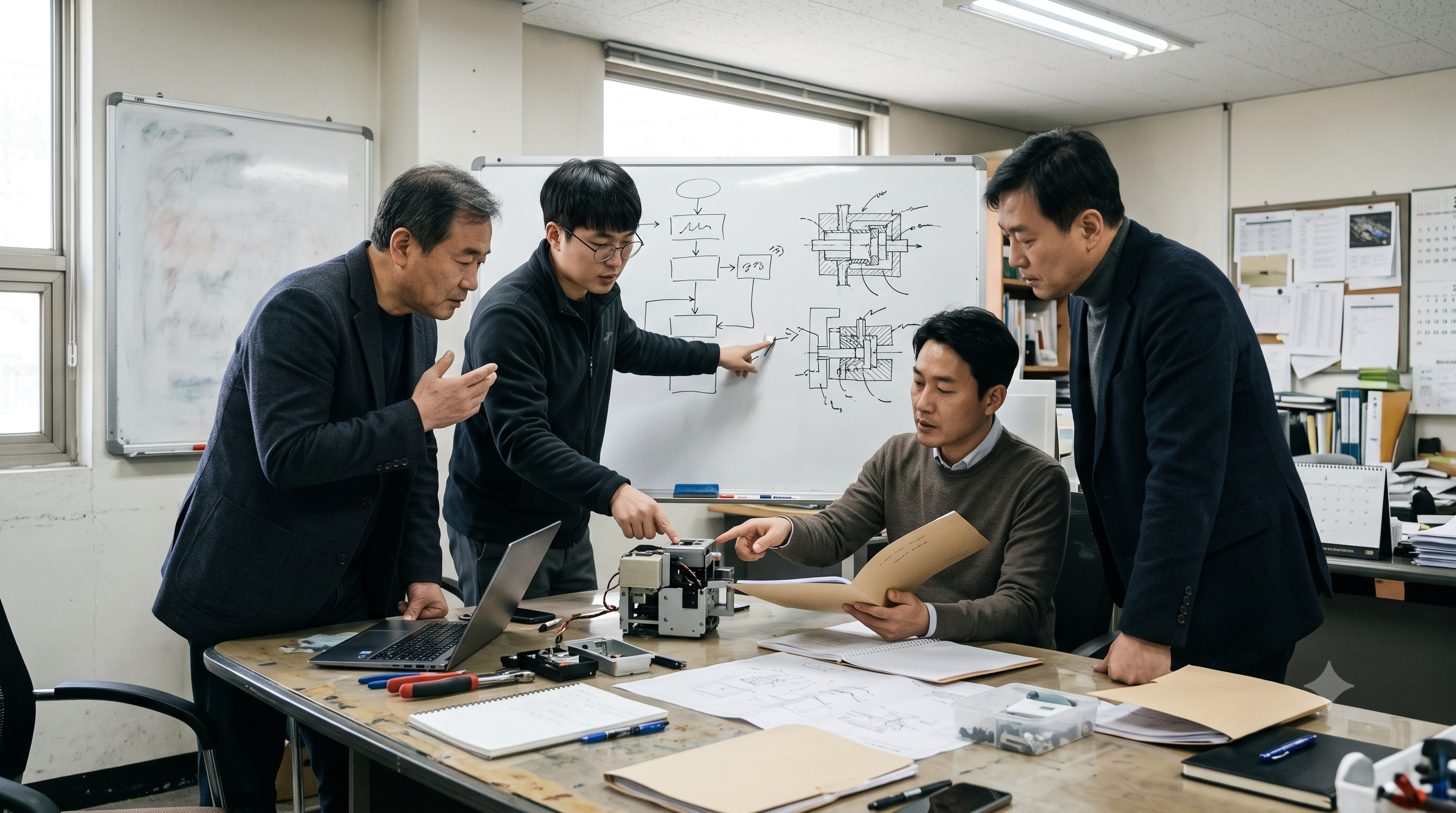
What If Someone Registered Your Trademark Before You Entered China or Southeast Asia?
If a third party has already filed or registered your brand in a target market, a Korean trademark alone does not solve the problem. Review territorial rights, earlier marks, bad-faith or invalidation options, local filing strategy, and Madrid System designations market by market.
 Programs & Notices · Public Procurement & Innovation · 2026-09-10
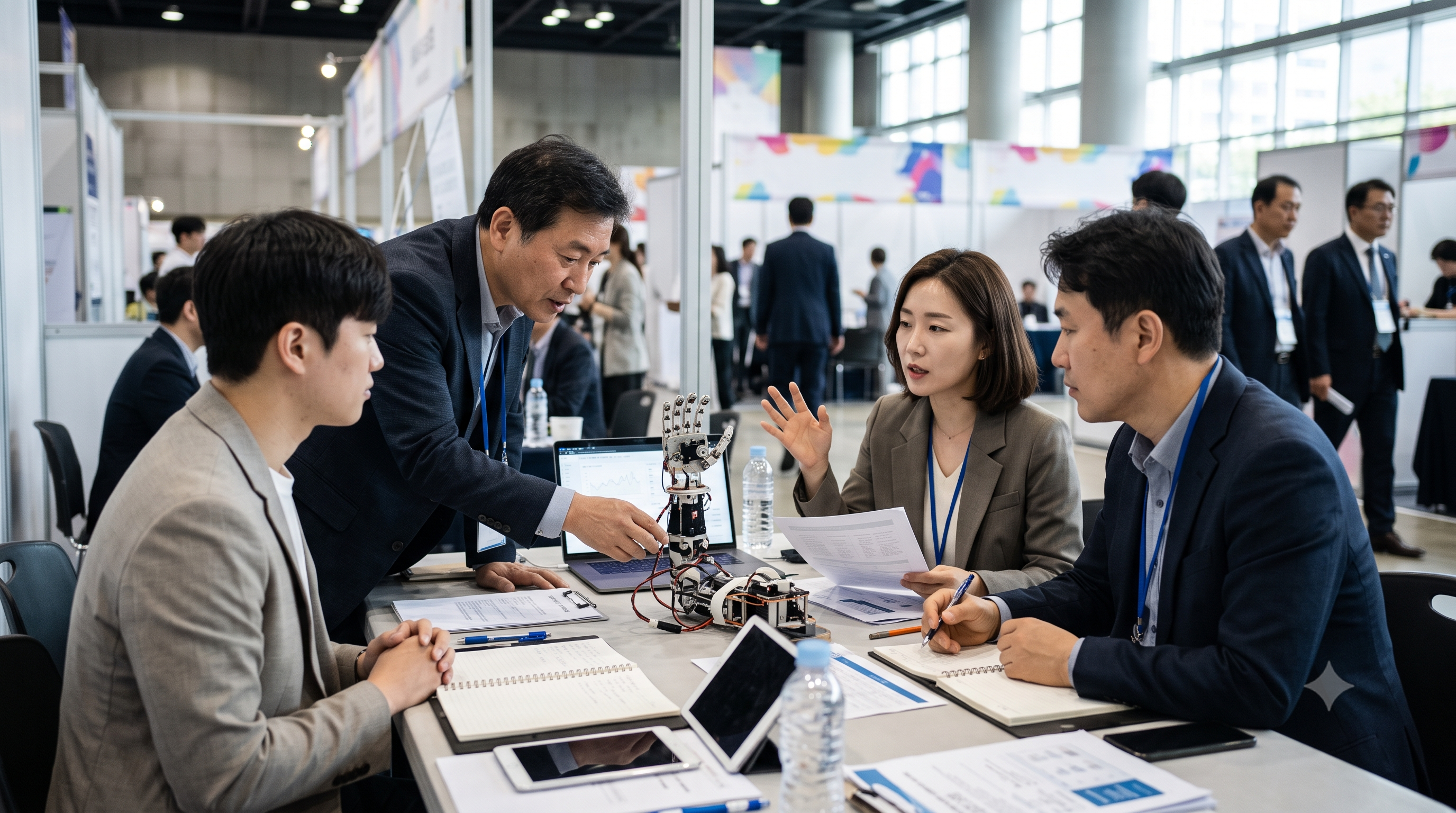
For AI, robotics and healthcare startups targeting Korea’s public procurement market, patent strategy should not be postponed until the innovation-product application is ready
For AI, robotics and healthcare startups targeting Korea’s public procurement market, patent strategy should not be postponed until the innovation-product application is ready. The better approach is to align IP with product specifications, public-sector…
 IP & Patent News · Trademarks · 2026-09-08
My Business Expanded After Filing a Trademark. Can I Add More Goods or Services to the Existing Application?
A practical guide to My Business Expanded After Filing a Trademark. Can I Add More Goods or Services to the Existing Application.
 Professional Column · Patents · 2026-09-08
We Added AI to an Existing Product. When Is It More Than a Routine AI Application for Patent Purposes?
Adding AI to an existing product is not automatically inventive. Patentability depends on the technical relationship among data, model design, device constraints, control logic and measurable technical effects, as well as how those features differ from the prior art.
 Professional Column · Patents · 2026-09-04
Does an Employee Invention Automatically Belong to the Company? Understanding Korea's Employee-Invention Succession Rules
Korea’s employee-invention framework requires more than naming the company as applicant. Inventorship, internal rules, reporting, succession, compensation, confidentiality and departure procedures should be managed as one system.
 Professional Column · Patents · 2026-09-04
PCT vs. Direct Foreign Patent Filing: How to Choose the Right Route
The PCT is not a worldwide patent. It is an international filing route that can defer national-entry decisions. This guide compares PCT and direct foreign filing by market, timing, cost, priority and claim strategy.
 Professional Column · Patents · 2026-09-02
Is an Invention Made While Employed a Company Invention or Your Own? How Employee Inventions Are Assessed in Korea
An invention does not automatically become a company-owned employee invention simply because it was conceived while the inventor was employed, and working on it at home does not automatically make it personal. This article explains the key Korean employee-invention criteria, including the employer's business scope, the employee's current or former duties, company invention rules, ownership, reporting and compensation.
 Professional Column · Patents · 2026-09-02
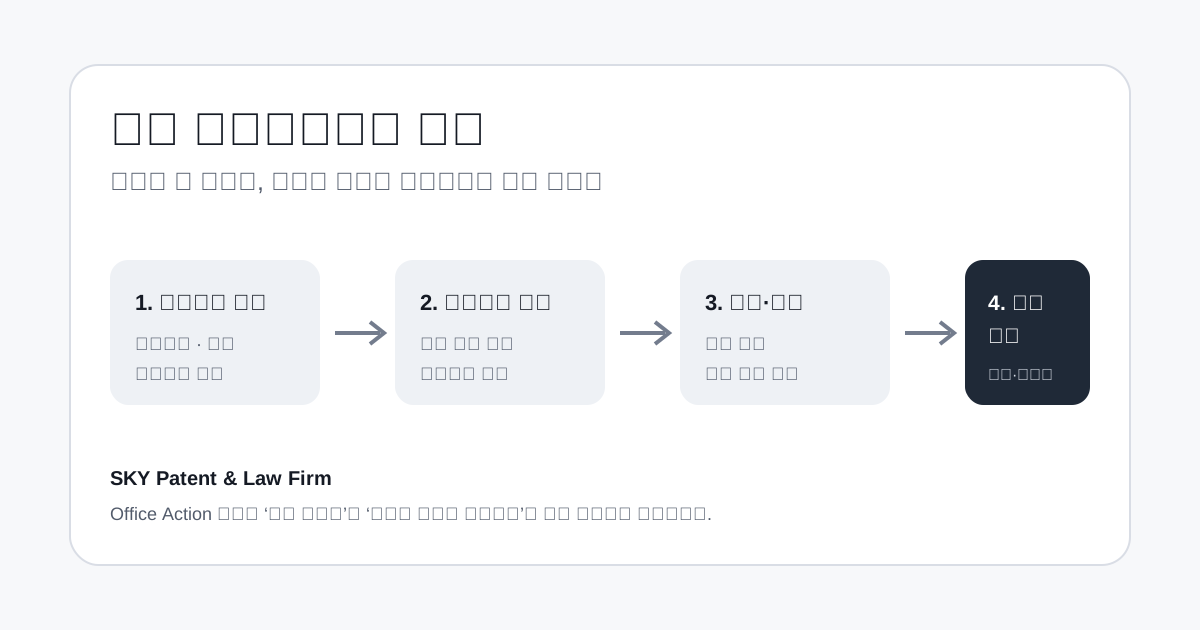
Korean Patent Office Action Response: 5 Decisions Before Amending the Claims
A Korean patent office action should be answered with more than a registration-first amendment. This guide explains how to assess cited prior art, claim scope, design-around risk, future products and downstream filing strategy before submitting arguments or amendments.
 Professional Column · Patents · 2026-09-02
Can You File a Patent Without a Prototype? What to Confirm at the Idea Stage
A finished prototype is not a legal prerequisite for filing a Korean patent application. However, a vague idea and a technically developed invention are not the same. This article explains how specific an invention should be before filing, what to prepare without a prototype, when additional development may be useful, and why disclosure timing matters.
 Professional Column · Patents · 2026-09-02
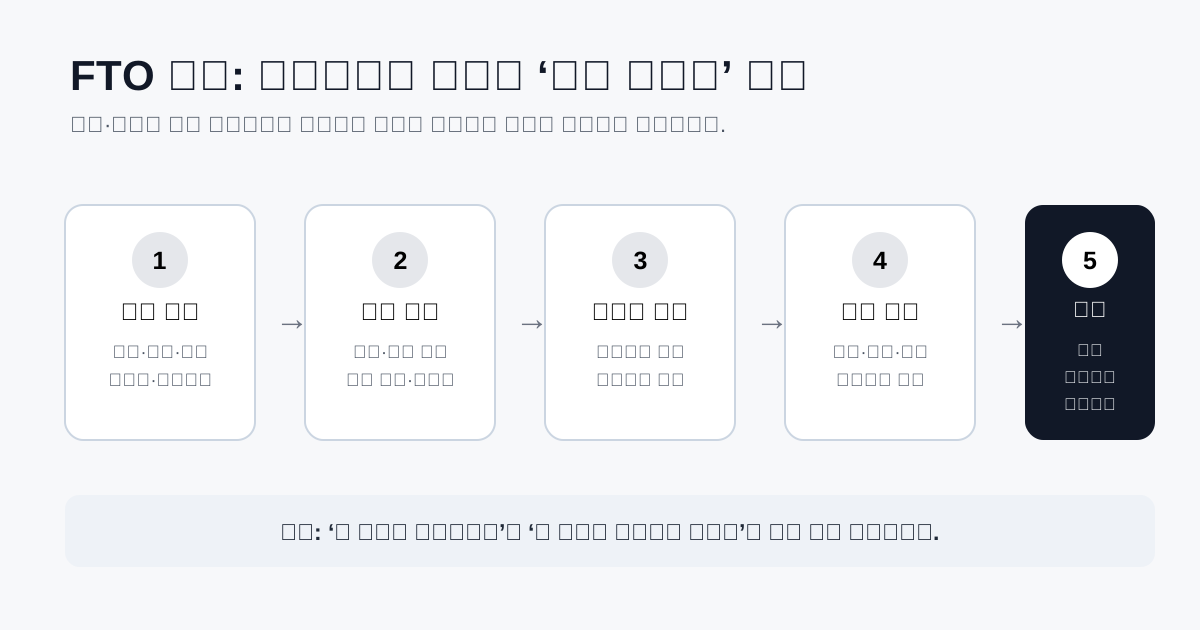
Freedom to Operate (FTO): 6 Steps to Check Patent Risk Before Product Launch
An FTO analysis asks a different question from a patentability search: can the planned product or process be commercialized in a target market without unacceptable third-party patent risk? This guide explains a practical six-step clearance workflow.
![[1차 접수 종료] 2026 K-브랜드 정부인증제도, 수출기업이 9월 11일 전 확인할 5가지](/assets/uploads/2026-k-brand-government-certification.svg) Programs & Notices · Trademarks · 2026-09-01
Programs & Notices · Trademarks · 2026-09-01[Round 1 Closed] 2026 K-Brand Government Certification: 5 Checks for Korean Exporters Before September 11
Korea’s first 2026 recruitment round for the K-Brand Government Certification program closed at 18:00 KST on September 11. This guide explains exporter eligibility, overseas trademark status, quality-certification requirements, anti-counterfeit technology support, and how the program should fit into a broader international trademark strategy.
 Practice Insight · AI & Advanced Technology · 2026-08-31
Physical AI and Robotics Patents in Korea: 5 Checks Before Requesting Priority Examination in 2026
In 2026, Korea expanded priority examination coverage for advanced technologies including physical AI. An AI-related filing is not accelerated automatically, so applicants should confirm eligibility, classification, supporting evidence, timing, and how expedited Korean examination fits their global filing strategy.
 Practice Insight · Public Procurement & Innovation · 2026-08-31
2026 Korea Excellent Procurement Product Round 4: Patent Checklist Before You Apply
The fourth 2026 application round for Korea’s Excellent Procurement Product designation runs from October 1 to 16. Patent-based applicants should verify not only the age and domestic status of the patent, but also whether the patented technology is clearly reflected in the actual product, supporting quality evidence, and the required patent evaluation materials.